


The Transport Ministry has appointed Ramssol Group Bhd, through its wholly owned subsidiary Rider Gate Sdn Bhd, as an authorised collection agent for the Road Transport Department (RTD).
The appointment covers key services including motor vehicle ownership transfers, motor vehicle licence renewals, and the payment of traffic summonses.
The announcement has attracted attention not because enforcement is unwelcome, but because of the wider implications for governance, transparency, and fairness.
These concerns were heightened after the RTD warned that motorists with outstanding summonses risk losing eligibility to purchase subsidised RON95 petrol at RM1.99 if their dues are not settled by Dec 31.
Taken together, the enforcement warning and the appointment of a private collection agent raise questions that the public has a right to ask.
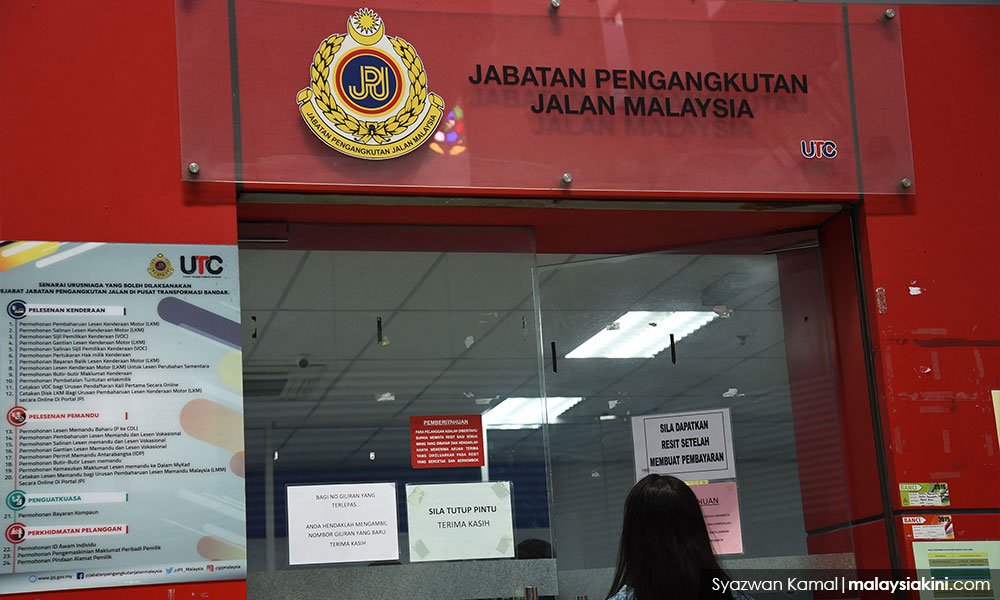
At the most basic level, who decides the appointment of private agents to perform core functions of a federal enforcement body? Was this decision made through an open tender, a competitive process, or a direct appointment?
These details matter because when public authority intersects with private profit, the burden of explanation must be higher, not lower.
The central question is simple. Why does the Transport Ministry need to appoint a private company to collect payments on behalf of RTD? Is RTD unable to carry out its own collections effectively? If not, what specific gap is this appointment meant to address? And how much commission or transaction-based revenue will the appointed agent receive for services rendered?
Rider Gate has promoted its platform as a digital gateway that allows Malaysians to conduct RTD-related transactions securely and conveniently, with a small service charge for each transaction. On paper, this appears aligned with modern digital service delivery.
In practice, however, every service listed is already available through RTD’s own official platforms, mySikap and the myJPJ mobile application. These are government-built systems funded by public money and designed precisely to remove unnecessary intermediaries and additional costs.
Diversification
The explanation offered for the appointment is diversification. The argument is that additional private platforms reduce dependency on any single provider and provide alternatives when other systems are unavailable. This justification deserves scrutiny.
Diversification only benefits the public if it improves access, reduces cost, or offers clear functional advantages. Introducing another private gate that charges fees for services already available through official channels does not obviously meet that test.
The situation becomes more uncomfortable when enforcement pressure is factored in. Motorists are now being told that failure to settle summonses will affect their eligibility for subsidised fuel, a matter that directly impacts daily living costs.
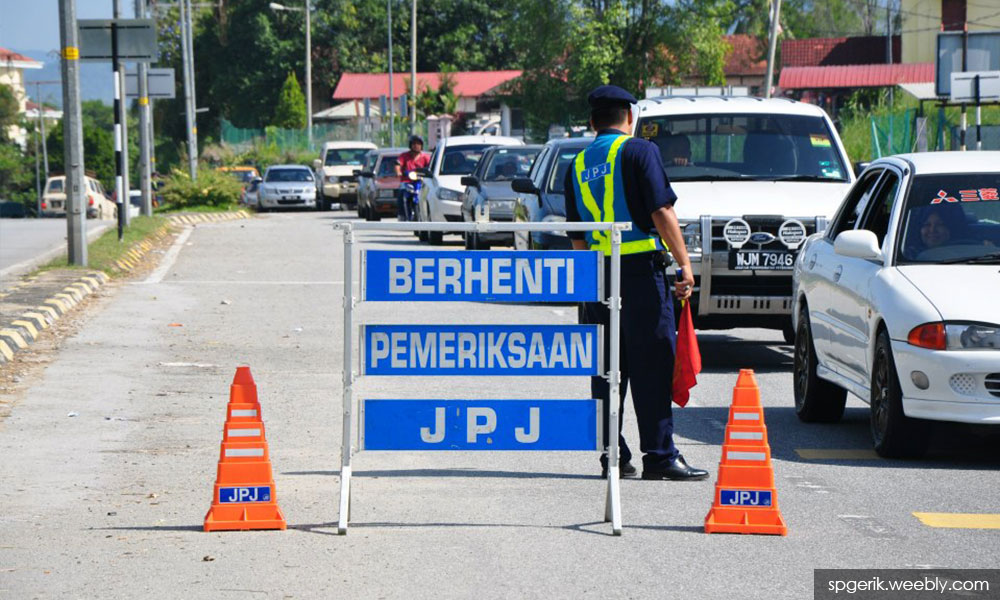
At the same time, a newly appointed private agent stands ready to facilitate payments for a fee. Even if this was not the intended design, the perception created is problematic. Public compliance should never appear to be routed through a preferred commercial channel.
Government-linked contracts and appointments demand a higher level of openness because they involve public systems, public data, and public authority. When enforcement bodies outsource routine functions without a detailed public explanation, it inevitably fuels suspicion.
Modern corruption rarely announces itself loudly. It often operates quietly through legal structures, platforms, and partnerships that appear technical and compliant, yet generate predictable and large revenue streams for selected private players.
Crony capitalism
This is how crony capitalism takes root. Not through obvious handouts, but through access. Access to enforcement processes. Access to government databases.
Access to millions of transactions where small fees accumulate into substantial profits over time, often without the rakyat fully understanding how such arrangements came into being.
None of this is an argument against technology or digital convenience. It is an argument against unnecessary intermediaries. If RTD already possesses functioning digital platforms, public interest is better served by strengthening those systems, improving user experience, and expanding capacity.
Allowing core functions to drift outward to private entities risks weakening public institutions while entrenching private dependence.
If the ministry believes this appointment is essential, then clarity is owed to the public. How was the company selected? What are the terms and duration of the agreement? How are fees structured, and who ultimately bears the cost?
Most importantly, how does this arrangement tangibly benefit the rakyat rather than simply creating a new revenue stream for a private firm?
Transparency is not a courtesy. It is a requirement when public enforcement meets private profit. Without it, even policies presented as efficiency measures will be viewed with distrust. Enforcement must be firm, but it must also be fair. Public systems should serve the rakyat directly, not through layers that are difficult to justify.
When new intermediaries are introduced without a clear necessity, the right to question is not cynical. It is a civic responsibility.
The public deserves assurance that governance decisions are guided by public interest, not convenience, not profit, and certainly not quiet arrangements that benefit a few while the many are left paying more without knowing why. - Mkini
MAHATHIR MOHD RAIS is a former Federal Territories Bersatu and Perikatan Nasional secretary. He is now a PKR member.
The views expressed here are those of the author/contributor and do not necessarily represent the views of MMKtT.

No comments:
Post a Comment
Note: Only a member of this blog may post a comment.