



INTERNATIONAL human rights and child advocacy organisations are raising serious concerns over the growing global trend to ban children under 16 from using social media by warning that such blanket policies may do more harm than good.
UNICEF (United Nations Children’s Fund) and Amnesty International have cautioned governments against rushing into age-based bans, stressing that restricting access alone does not address the root causes of online harm and could push young users into riskier digital spaces.
UNICEF has been clear in its position that age restrictions are not a silver bullet for protecting children online.
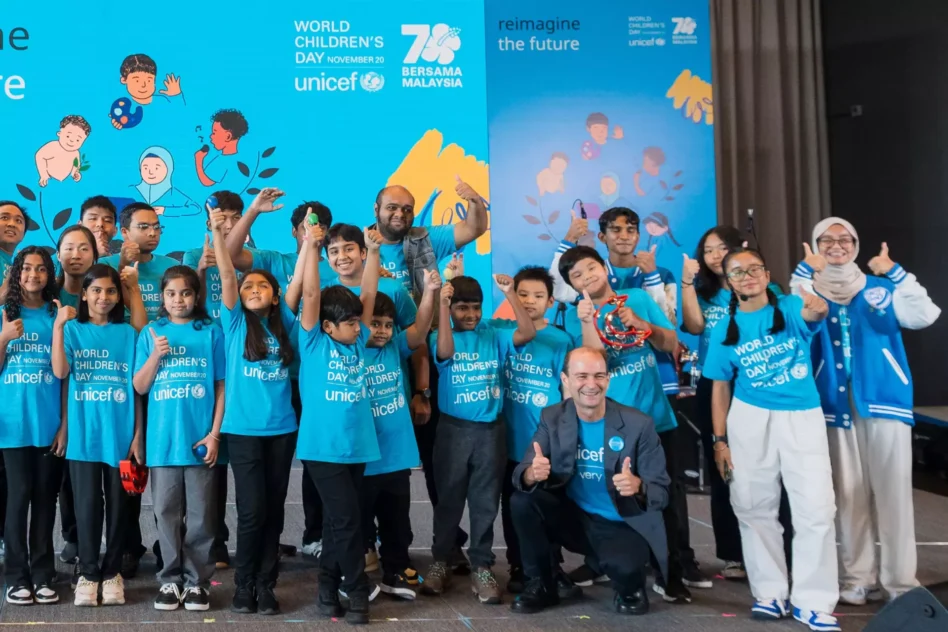
The organisation warns that banning under-16s from mainstream platforms may simply drive them towards unregulated apps and anonymous forums with fewer safety features.
According to UNICEF, children will inevitably find ways around bans whether through shared devices, fake accounts or lesser-known applications that lack proper safeguards.
These platforms often offer limited content moderation, weak reporting tools and minimal user support, exposing children to even greater risks.
Violation of children’s fundamental rights
On the other hand, Amnesty International described blanket bans as an ineffective quick fix, arguing that governments are focusing on surface-level solutions instead of tackling systemic issues within social media platforms.
According to Amnesty, the real problems lie in algorithm-driven systems that promote harmful content, weak data protection standards, insufficient content moderation and business models that prioritise user engagement over safety.
Rather than banning children, Amnesty insists governments should compel technology companies to design safer platforms and take responsibility for online harms.
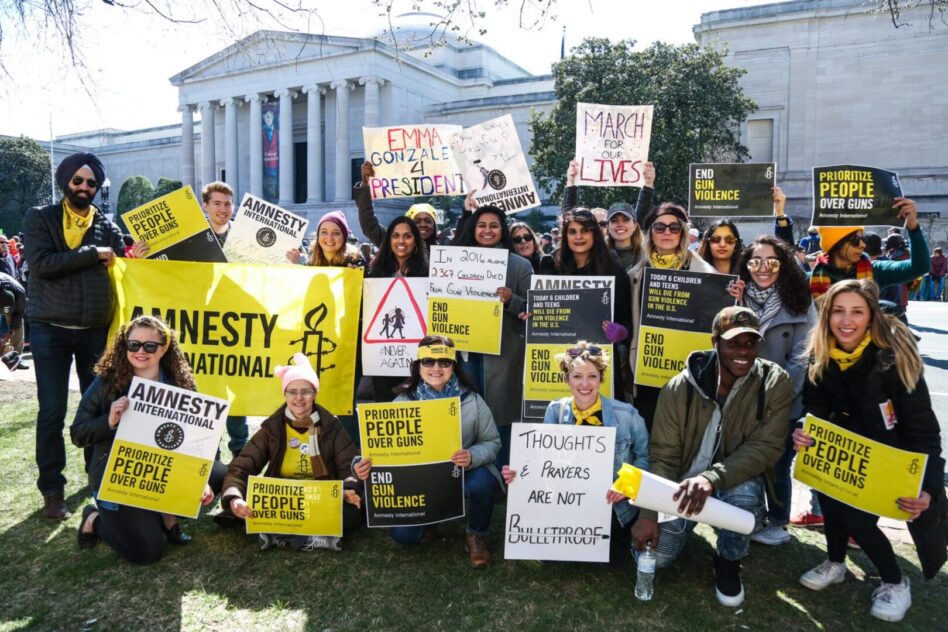
Both UNICEF and Amnesty further highlighted that blanket bans may violate children’s fundamental rights under the UN Convention on the Rights of the Child, including the right to information, freedom of expression and participation in society.
Instead of bans, both organisations advocate a child-centred regulatory approach. They urge governments to strengthen platform accountability, enforce child-safe design standards, improve transparency in algorithms and enhance reporting mechanisms for online abuse.
They also stress the importance of digital literacy education for both parents and children, as well as independent oversight of technology companies. Their message is clear: governments should regulate platforms, not children.
Malaysia’s dilemma
As Malaysia considers stricter controls on social media access for minors, these international warnings come at a critical time.
While protecting children online is a legitimate concern, experts caution against adopting foreign policies without considering local realities.
Malaysia has a young and digitally connected population, and a blanket ban could disproportionately affect students who rely on online learning communities, youth entrepreneurs, content creators and marginalised groups who depend on digital platforms for support.
Instead, Malaysia has an opportunity to take a leadership role in ASEAN by developing balanced regulations that protect children while preserving digital inclusion.
UNICEF and Amnesty agree on one point: children deserve safer digital spaces but not exclusion.
Real protection, they argue, comes from holding tech companies accountable, building digital resilience, educating families and creating safer online environments by design.
As the debate intensifies globally, Malaysia faces a crucial decision – whether to follow the international ban trend or chart its own path based on evidence, rights and long-term impact. – Focus Malaysia

No comments:
Post a Comment
Note: Only a member of this blog may post a comment.