


Perikatan Nasional has warned that mayoral elections in Kuala Lumpur would not necessarily lead to better governance, describing the idea as “simplistic, naive, and misguided”.
A more practical approach, PN suggested, would be for the government to study comprehensive institutional, administrative, and legal reforms to improve the Kuala Lumpur City Council’s (DBKL) efficiency and accountability.
“The administrative efficiency of a city does not depend so much on how its leadership is determined - whether elected or appointed - but rather, it relies upon the strength of its institutions, governance systems, and management culture,” said PN chief whip Takiyuddin Hassan in a statement today.
He said among the administrative issues that needed fixing were DBKL’s organisational structure, leadership quality, human resource management, coordination between units, agencies, and the federal government, integrity and enforcement mechanisms, priority settings, as well as the quality, speed, and consistency of decision-making.
Minister in the Prime Minister’s Department (Federal Territories) Hannah Yeoh has tasked the International Islamic University of Malaysia (IIUM) with studying the feasibility of mayoral elections in Kuala Lumpur.
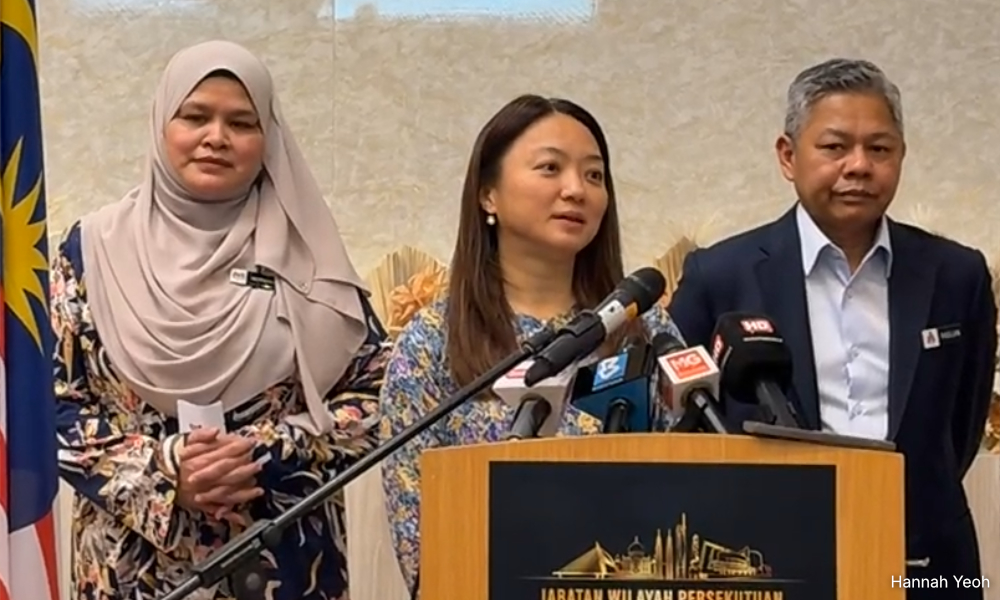
News of the study led to pushback from Malay-rights parties, with Umno mostly using emotive arguments fanning racial sentiments, while PAS tended to give more constructive objections.
In his statement today, Takiyuddin, who is also the PAS secretary-general, said if Putrajaya wanted to proceed with mayoral elections, then there needed to be a comprehensive review of existing laws and regulations before such polls could be conducted.
He said this was to address legal and constitutional issues, including the risk of electoral populism, conflicts between an elected mayor and the federal government, and policy instability driven by election cycles instead of long-term urban planning policies.
“Without clear legal and constitutional amendments regarding the scope of executive power, budgetary jurisdiction, lines of accountability, and conflict resolution mechanisms, the introduction of mayoral elections risks triggering institutional confusion, overlapping jurisdictions, and potential conflicts and legal challenges,” he said.
“A mayor who possesses democratic legitimacy without clearly defined legal powers will only undermine, rather than strengthen, effective leadership and governance,” he added.
Takiyuddin’s remarks come in the wake of MACC’s findings yesterday that DBKL’s management and monitoring of contracts, including the awarding of business licences, was weak and “backward”, failing to match the capital’s development and international recognition.
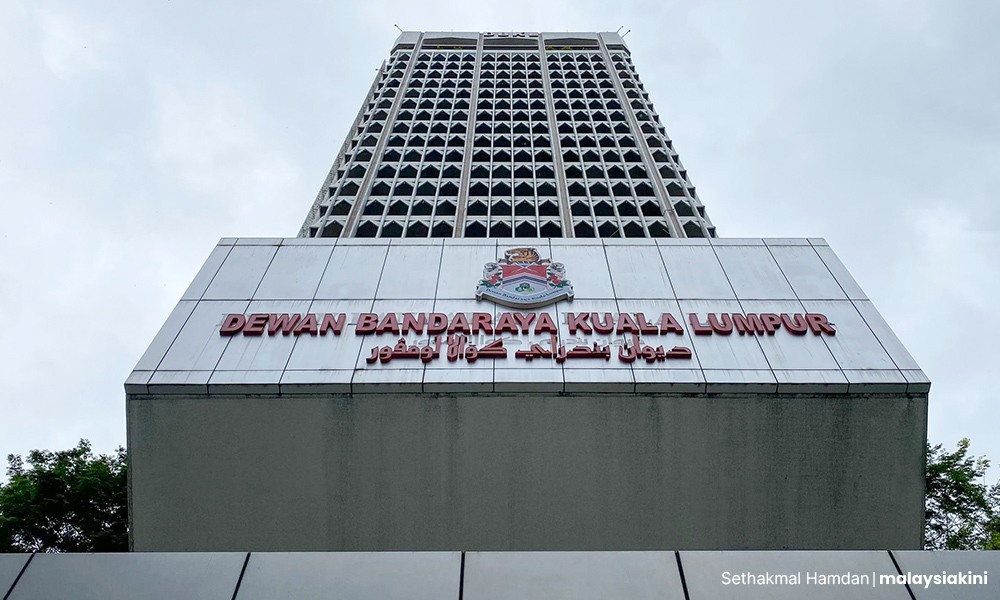
The MACC described that these glaring yet “hidden” weaknesses risk enabling abuse and corrupt practices amongst enforcement officers and interested parties.
‘Govt should study UEC instead’
Meanwhile, in a separate statement, PAS information chief Ahmad Fadhli Shaari hit back at Yeoh’s assertion that there was no need to fear the study on mayoral elections as it was being carried out by academics, not DAP.
Fadhli retorted that the government should conduct studies on the contentious United Examination Certificate (UEC) instead.
“If this is the case, then I would like to propose a comprehensive study on the UEC instead, including its standing within the Constitution, and its impact on the national education policy.
“Since political parties aren’t the ones conducting this study, there should be nothing to fear, right?” he said in a Facebook post today.
“In reality, the issue isn’t about the study itself, but about long-standing political leanings which have been known for a long time,” he added.

Local council elections, particularly in the capital, have long been a contentious issue.
Kuala Lumpur and DBKL are under federal control, with the city administered by a federal government-appointed mayor.
Critics have argued that this structure concentrates power in the mayor’s hands, with limited checks and balances compared to other local governments.
However, right-wing Malay-based political parties have long opposed local council elections, claiming they would erode Malay power in urban areas where non-Malays are the majority. - Mkini

No comments:
Post a Comment
Note: Only a member of this blog may post a comment.