


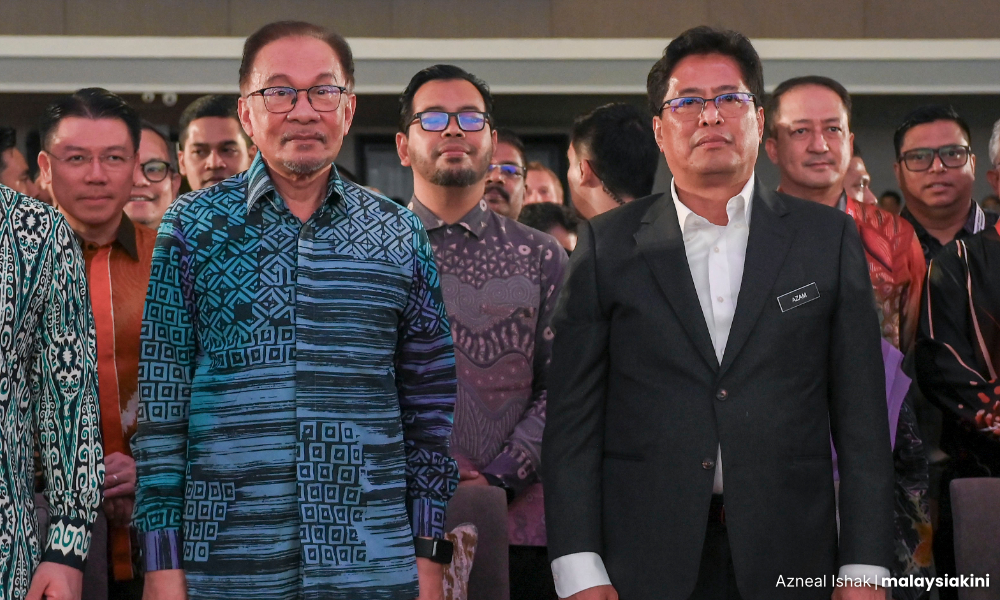
When Anwar Ibrahim was the opposition leader, he criticised authorities for what he called “police intimidation” against leaders, urging the MACC chief commissioner Azam Baki to step down amid his shareholding controversy.
He said such pressure was inappropriate against those raising corruption concerns.
Today, as prime minister, Anwar has now urged critics to “read explanations” and warned them against “insulting” public officials rather than answering the substantive questions at hand. What a reversal. What a profound contradiction.
Those in powerful positions have a low tolerance for scrutiny, and anyone asking reasonable questions about wealth, power, religious authority, or governance realises that their actions come with consequences.
When lawmakers raise concerns about how senior civil servants accumulate large shareholdings, the response is not transparency, but legal threats and silence. Defamation becomes their protective shield, not a remedy.
Journalists, academics, activists, NGOs, and ordinary citizens on social media are reminded, subtly or otherwise, that asking too many questions can carry consequences.
Consider the now-familiar question: How does a senior civil servant, tasked with enforcing anti-corruption laws, acquire millions of shares in listed companies?
When this question was raised, involving the MACC chief commissioner’s shareholding in Velocity Capital Partner Berhad and about possible links to transactions involving Anwar’s former aide Farhash Wafa Salvador Rizal Mubarak, the public response was not transparency, but silence, legal threats, and denials.
Pandan MP Rafizi Ramli’s questions were not accusations. They were the sort of questions many Malaysians value: questions about conflicts of interest, civil service rules, accountability, and perception.
However, the response has been most revealing. Letters of demand were reportedly issued, Bloomberg was challenged, and defamation was invoked automatically, done without thought.
An official of the Anti-Corruption Advisory Board said Azam had committed no wrongdoing in the recent shareholdings scandal and that the MACC "can't be judged based on ‘unbalanced’ reports".
When investigative reporting by Bloomberg, one of the most legally cautious news organisations in the world, is dismissed as "unbalanced, malicious, and defamatory”, the signal to local journalists is unmistakable.

More importantly, the message to Malaysians and in the international arena is chilling, because if even Bloomberg is unsafe, then we, too, are in a precarious position.
Cost of asking questions
This is how scrutiny is neutralised in 21st-century Malaysia: not by disproving allegations, but by making the cost of asking questions uncomfortably high.
The current culture of intimidation has an extensive reach:
There are repeated cases where ordinary social media users have been investigated or charged under sedition or communications laws for posts that question authority.
Graphic artists have faced arrest over satirical drawings.
Academics such as Murray Hunter have faced defamation proceedings overseas, in Thailand, for their critical analysis.
Reporters probing scandals, such as the heritage football investigation, have allegedly been assaulted after asking uncomfortable questions.
Rafizi’s son was attacked, and he publicly suggested that the incident may have been linked to his investigations into powerful individuals.
Malaysians know that unresolved disappearances like that of Pastor Raymond Koh are fearful reminders about not being too inquisitive.
We do not need to be reminded that this is not Najib Abdul Razak’s Malaysia, or Dr Mahathir Mohamad’s Malaysia.
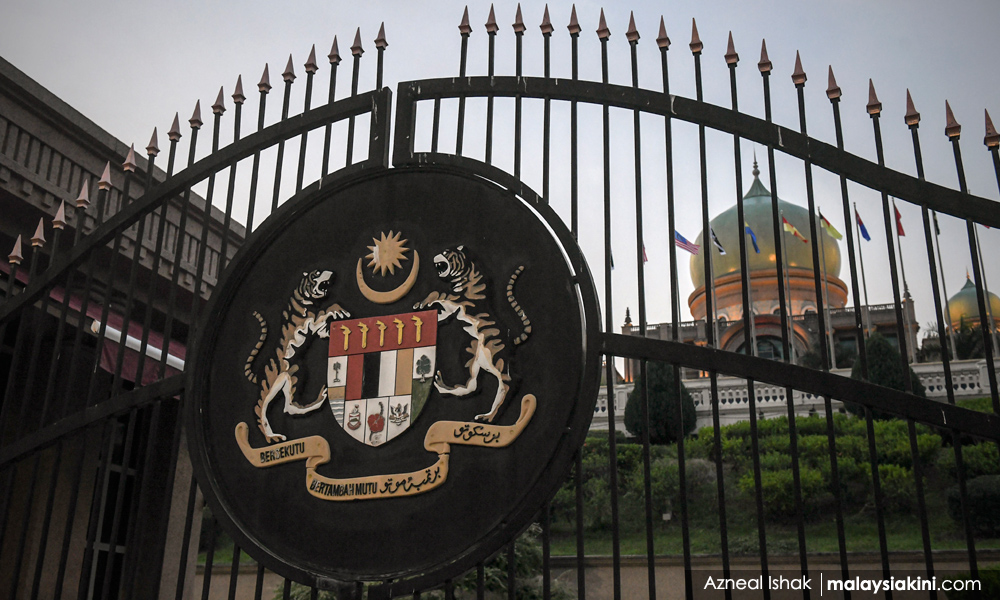
This is Malaysia under Anwar’s premiership, where questions once encouraged are now being policed. This matters a lot.
Defamation suits, sedition charges, and regulatory harassment need not succeed in court to succeed politically. Their real purpose is deterrence, and the ensuing result is immediate caution.
When editors hesitate, journalists refrain from asking difficult or sensitive questions, when writers make their words less potent, and academics soften their language, or social media users delete their posts, accountability slinks away.
Even casual writers like me write cautiously, not because the issues lack substance, but because the consequences are unevenly applied. Powerful elites, including some politicians and government bodies, are perceived to be using state machinery to harass citizens who dare to speak out.
Those of us who demand accountability in public officers, who value integrity in leaders, are up against institutions or powerful elites with possibly unlimited funds.
Weaponisation of 3R
Malaysia’s discomfort with scrutiny extends to foreigners. Australian reporter Mary Anne Jolley may have been deported during Najib’s tenure, but the implications of restricting critical journalism in Malaysia have continued rather than been resolved.
Race, religion, and royalty are frequently weaponised to end debate, including over centuries-old temples or about the unilateral conversion of children.
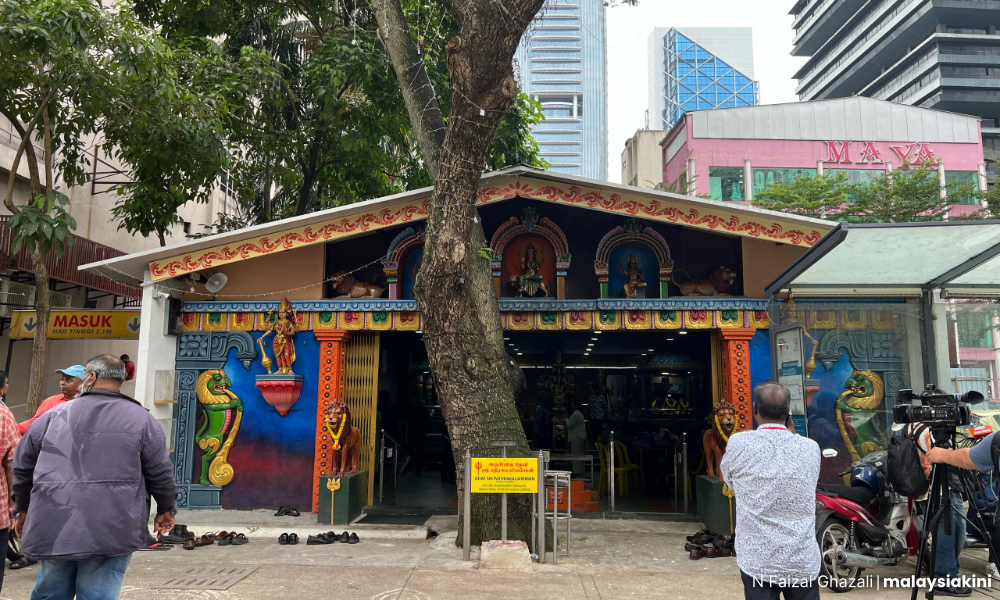
Those who speak up are warned not to inflame sensitivities. Sisters in Islam (now SIS Forum) has faced investigations and fatwas not for inciting violence, but for questioning interpretations.
Activists advocating education for refugee children have been treated as agitators rather than citizens acting in the public interest.
What makes this premiership particularly disheartening is not that repression exists, but that the same figures who demanded asset declarations, transparency, and accountability from opposition benches now caution patience, warn against speculation, and defend institutions they once criticised.
Perhaps the most damaging consequence is generational. Young Malaysians learn quickly from what they observe: you speak carefully, or pay the price. Neither outcome builds a confident nation.
A country afraid of questions will never be strong. A government that equates scrutiny with sabotage reveals its own fragility. More importantly, a society where elites hide behind laws meant to protect harmony has already surrendered the moral argument.
Malaysia does not suffer from too much criticism. It suffers from too little courage to face it. - Mkini
MARIAM MOKHTAR is a defender of the truth, the admiral-general of the Green Bean Army, and the president of the Perak Liberation Organisation (PLO). Blog, X.
The views expressed here are those of the author/contributor and do not necessarily represent the views of MMKtT.

No comments:
Post a Comment
Note: Only a member of this blog may post a comment.