


The government has announced that beginning in 2027, children aged six will enter Year One.
The primary justification offered is straightforward: most countries start primary school at six, while Malaysia starts at seven; therefore, we are one year behind and must align ourselves with international norms.
It sounds compelling. It carries a certain urgency, even a familiar anxiety: we must not lose at the starting line; we must keep up with the world.
But are we truly one year behind?
According to World Bank and Unesco data, Malaysia’s official primary school entry age is already six. Children entering Year One have completed six years of age at the start of the school year - they are “six-plus”, turning seven later in the same year.
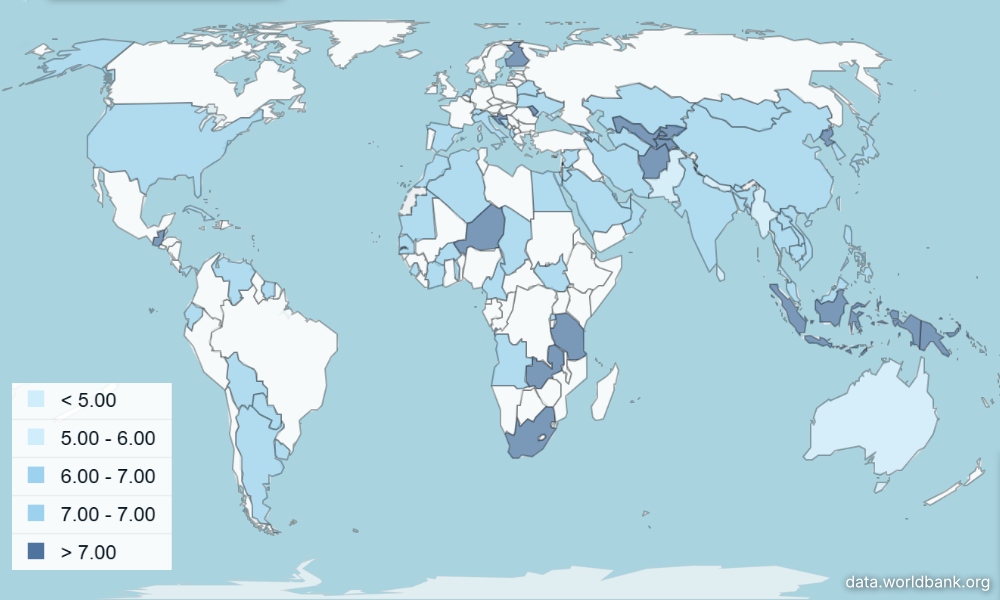
The notion that Malaysia begins primary school at seven is largely a matter of social convention, not legal or statistical fact.
International comparisons are based on completed age. By that standard, Malaysia falls within the same category as Singapore, Brunei, Thailand, the Philippines, China and Vietnam - all listed as countries where primary school begins at six.
Consider a concrete example. A child born in December 2018 would enter Year One in 2025 in Malaysia. The same child would also enter primary school in 2025 in Singapore, Brunei, Thailand, the Philippines, China and Vietnam. The entry year is identical; the child’s age at entry is six-plus in each case.
If the timing is the same, who exactly are we trailing? Where does this supposed one-year lag come from?
Mistaken premise
If the legitimacy of a major reform rests on a gap that does not in fact exist, then we are assuming substantial institutional risks based on a mistaken premise.
This reform is far more than a simple “one-year shift”. To support the policy, the government plans to recruit 20,000 non-education graduates as contract teachers and subsequently channel them through a one-year certification programme before absorbing them into the system. This is not a minor adjustment. It represents a structural leap.
In the past two years, the total intake for regular teacher-training programmes did not even reach this number. Yet we are now expected to complete an expansion of even greater magnitude within a compressed timeframe.
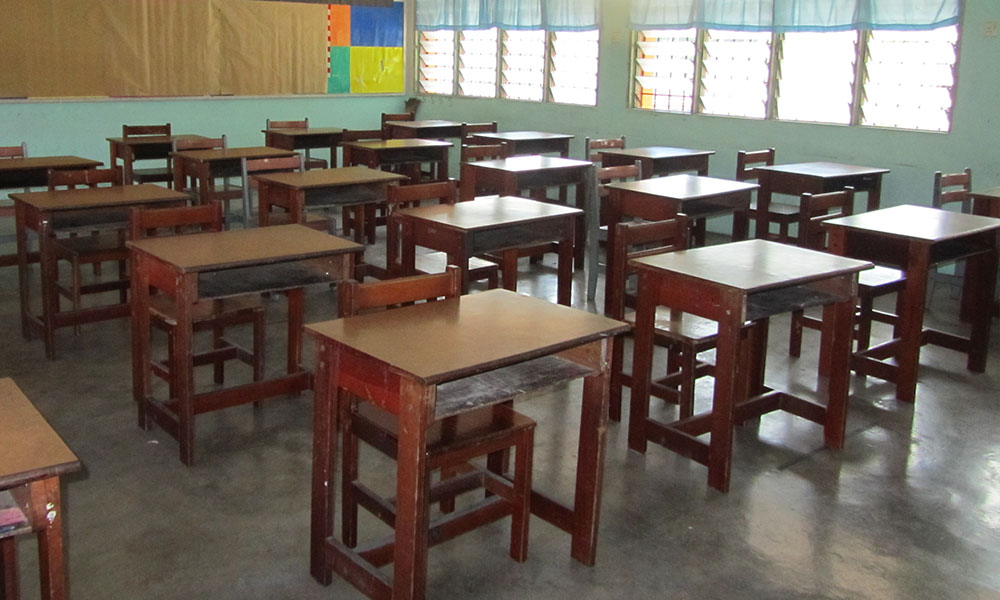
The short-term consequences are foreseeable: insufficient classrooms, teacher shortages, compressed training, and educators entering classrooms while still undergoing preparation. With less than a year before implementation, preparations are being rushed. The pace of policy now clearly exceeds the pace of professional formation.
Education is not an assembly line, and teachers are not interchangeable components to be rapidly certified and deployed. When training is shortened, practicum experience is reduced, and instructional supervision is diluted, it is the first cohort of students who bear the cost of institutional haste.
The longer-term structural implications are even more serious. If all 20,000 contract teachers are permanently absorbed into the system, the proportion between different teacher-training pathways will shift.
The share of one-year certification routes will rise, while the proportion of five-year comprehensive teacher-education programmes declines. The duration of professional formation shortens; the professional threshold inevitably lowers.
Over time, society’s understanding of what it takes to become a primary school teacher will be reshaped. Professional standards rarely collapse overnight. Instead, they erode gradually, surfacing years later as instability in teaching quality and a weakening of professional identity.
Decision-making process
Equally concerning is the decision-making process itself. With implementation set for 2027, there has yet to be a clear public articulation of a full cohort projection model, a post-2033 adjustment mechanism, a comprehensive cost–benefit analysis, or safeguards on teacher-training ratios.
Direction is announced first; the system is then compelled to adapt. Timelines are fixed; details are filled in later.
This reversal of policy sequencing is itself a high-risk mode of governance.
Educational reform is not inherently objectionable. Whether children should enter school earlier is a legitimate question that could be grounded in multidimensional evaluation - child development research, curriculum design, societal rhythms and long-term planning.
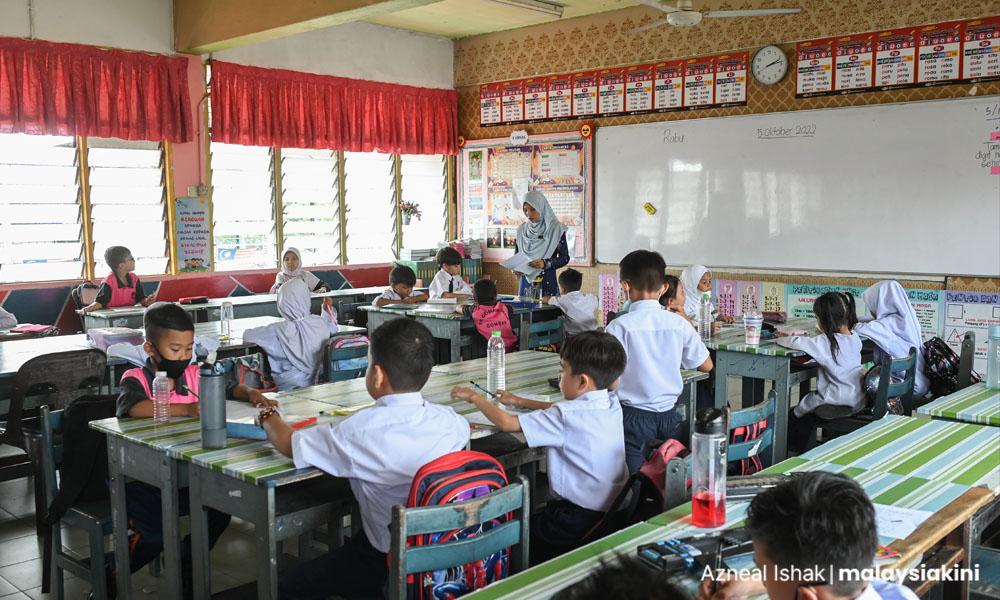
But if the reform is framed primarily as correcting a non-existent “one-year lag”, then we are steering the national education system into an unnecessary institutional gamble.
Reform may involve risk - but risk must arise from clear judgment, not conceptual misunderstanding. To mobilise vast financial, human and institutional resources without first clarifying whether the problem truly exists is not boldness; it is imprudence.
The consequences of education policy do not appear next year. They surface 10 or 20 years later. What feels like urgency today may become a structural burden tomorrow.
The real question is not whether we can “align with international norms”. It is whether we have accurately understood international reality. Have we exercised sufficient patience to preserve institutional stability? Are we willing, beyond the pursuit of speed, to respect the time required for professional formation?
If these questions remain unanswered, then this reform is not merely an adjustment of entry age. It becomes a systemic experiment launched under misinterpretation.
When a non-existent “one-year gap” is presented as an urgent reform imperative, we must be vigilant. Once the system moves, the cost will be borne by an entire generation of children and teachers. And the risks they shoulder may not stem from genuine educational deficits - but from our own misunderstanding of the issue. - Mkini
The author, Kuek Ser Kuang Hong is an educator and serves as a lecturer in Institute of Teacher Education - Ipoh Campus (IPG Ipoh).
The views expressed here are those of the author/contributor and do not necessarily represent the views of MMKtT.

No comments:
Post a Comment
Note: Only a member of this blog may post a comment.