


At this stage, it is pretty difficult to forecast how the US-Israel undeclared attack and war against Iran will pan out, with Iran’s firepower stamina, even in a limited conflict, not easy to assess and differences in opinion as to their strength.
But more to the point, both the US and Israel are headed by extremists - people who don’t seem to be rational and see beyond their immediate political and other needs.
They are also willing to gamble big for gains without thinking of what will happen further out.
The US, in fact, joined in the latest round of bombings, which killed Iranian Supreme Leader Ayatollah Ali Khamenei and practically the country’s entire top leadership, while they were negotiating a nuclear limitation deal with Iran. Downright insidious and untrustworthy.
While not many are fans of the oppressive Iranian regime, US President Donald Trump and Israel’s longest-serving prime minister, Benjamin Netanyahu, taking international law and order into their own hands spells global uncertainty and regime change at the whim of foreign powers.
Complete capitulation
Israel has already threatened to kill any successor to the ayatollah, putting paid to any hope of negotiation and paving the way only for complete capitulation of Iran to the US-Israel axis, no different from what Trump and Israel have forced down the throats of millions of Palestinians over Gaza.
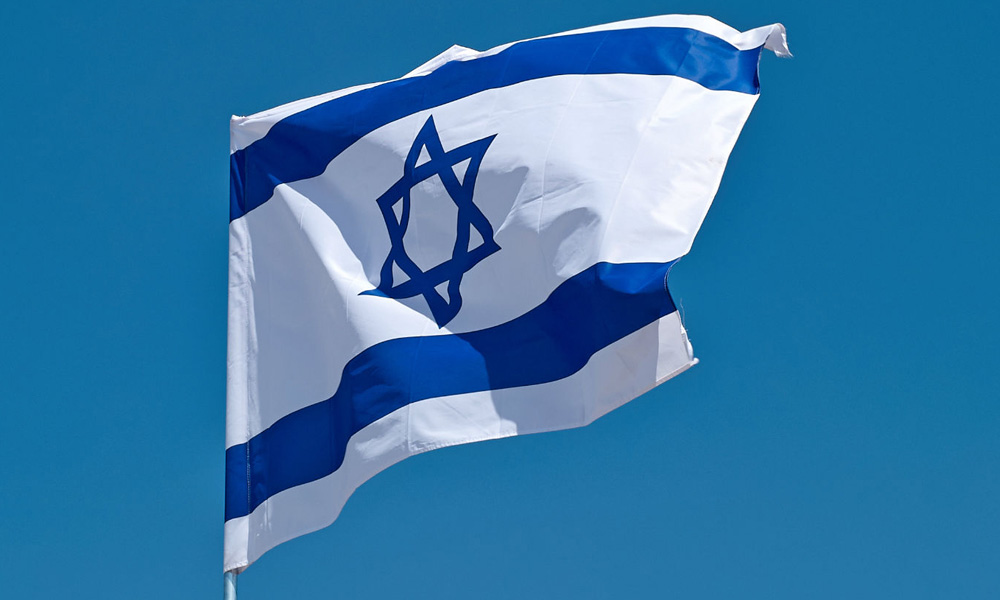
The situation may be a bit different with Iran, however, which is a vast strategically positioned country of over 90 million people with long histories and traditions. Some analysts are saying Iran has limited options, which nevertheless could be devastating.
The latest attacks follow illegal ones last June against Iran and Venezuela in January this year, in the latter taking the country’s president and wife captive.
What is worrisome is how far Trump is prepared to go in doing what he thinks is fair - no, good - for the US, with a middle finger to the rest of the world.
The question in European minds following this wiping out of Iranian leaders while negotiations were going on for processes to ensure that Iran does not get nuclear arms must be, when Greenland, and even Canada, are going to be taken over by the US.
An uneasy restraint
There is an uneasy restraint from the US’ main allies, the United Kingdom, France, and Germany, with Spain being among the few voices speaking up against war and attacks.
The main allies seem to be fixated on preventing Iran from having nuclear weapons, but don’t seem to have publicly addressed the question of what is and what is not acceptable in international conflicts.
Does the US (and Israel in the Middle East) get everything that it can take?
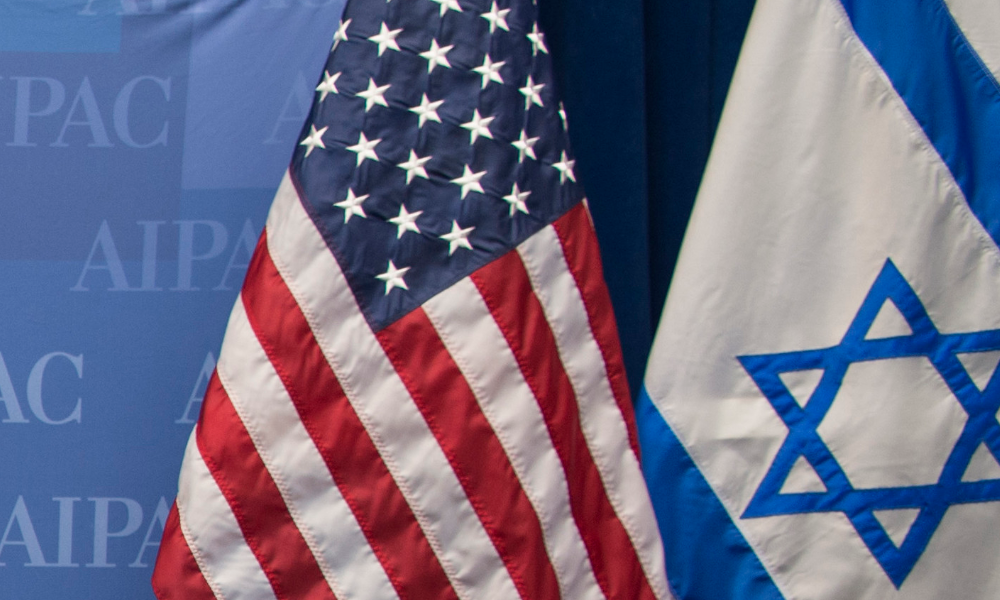
How can the rest of the world fight Trump’s avarice and lack of scruples when key allies can’t even take a brave stance against what is clearly against international norms and behaviour anymore?
He does not even seem to hesitate to take the conflict across the oceans. An Iranian frigate returning from an Indian port was sunk off the coast of Sri Lanka in international waters two days ago, torpedoed by a US submarine.
“An American submarine sank an Iranian warship that thought it was safe in international waters,” US Defence Secretary Pete Hegseth said callously at the Pentagon.
“Instead, it was sunk by a torpedo. Quiet death.”
It looks like the US will take its actions anywhere it can, with no consideration for international law and the legitimate interests of affected nations. A spark may someday soon light the tinder which ignites World War 3.
It’s a stark reminder of how the rise of an incompetent, corrupt, and unstable person to the top position in the world’s strongest military and economic power can have dire consequences not just for the US but the entire world.
Trump does not seem to be concerned at all and continues to enjoy the support of the US legislature for his latest series of dangerous misadventures - the biggest and most volatile component in the shifting equation of international conflict in the Middle East.
What can Iran do?
Some analyses focus on whether Iran can actually force a long closure of the Straits of Hormuz, the gateway to the Persian Gulf (see map), on whose shores are an array of oil-producing countries, which besides Iran include the United Arab Emirates, Qatar, Bahrain, Kuwait, and Saudi Arabia.
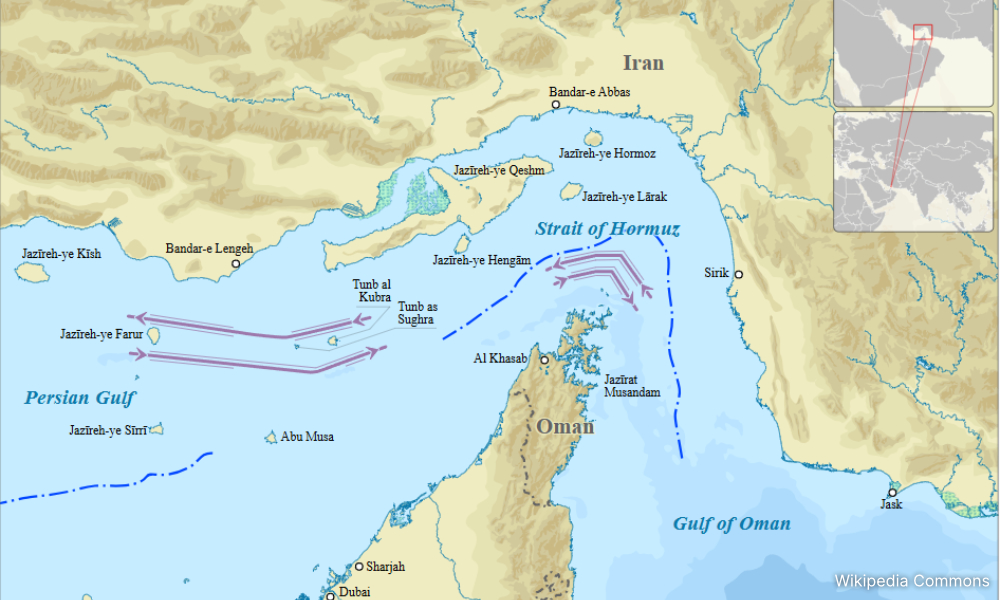
Reports put the amount of oil flowing through the Straits of Hormuz at around 20 percent of world production, with most of it flowing to Asian countries such as China, India, and Japan, which perhaps explains why Asian shares are taking a beating while the US remains stable.
If Iran can close the Straits of Hormuz permanently, then it exerts not only pressure on world oil prices, but it also damages the economy of the oil-producing countries here as well.
Currently, very little oil is moving through the straits, and if this continues, there can be significant damage to the world economy as well as the producing countries, a very serious scenario.
One analysis says Iran can, by using missiles and drones stored within the protective havens of its mountains, inflict considerable damage on the production of oil in these areas, and it can close the narrow Straits of Hormuz. Others suggest there is little likelihood of this.
So far, the evidence is that Iran does not have much more firepower than it has already used, and it has inflicted only limited damage.
Even if it does have it and is holding it in reserve, it will be suicidal to use it because of the strength of the reprisals that will follow and Iran’s inability to defend itself against it. But desperation and anger mean reason is often thrown out the window.
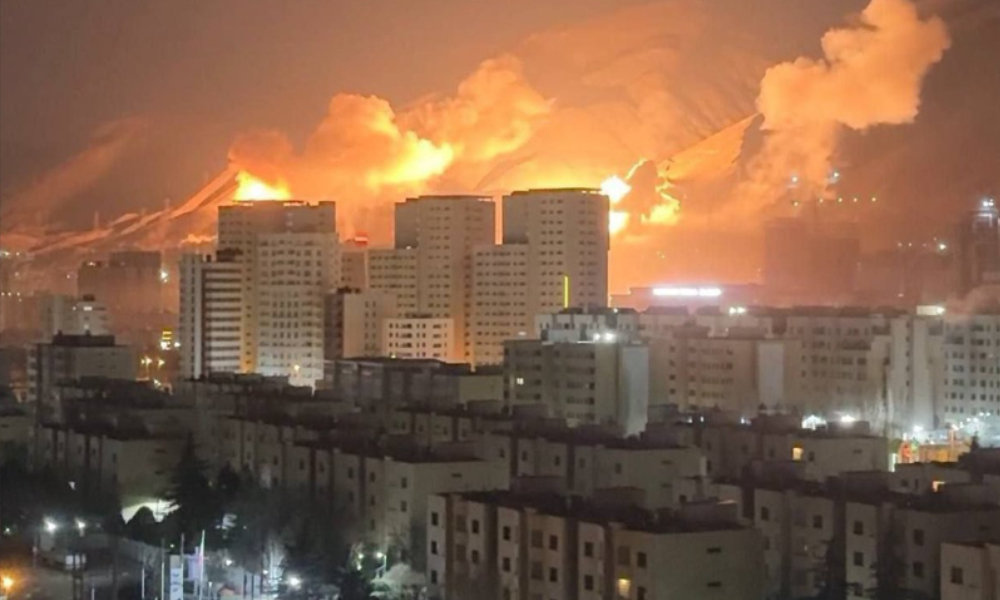
The net result of all this is that nations that can will develop deterrent nuclear power and those who can’t will develop either alliances with those who have or tread the delicate path of neutrality, hoping that good sense will prevail.
But the new thing is that US allies, especially the Europeans, are being increasingly forced to the unsavoury realisation that they can’t rely on the US to jointly take care of mutual interests, even if Trump only lasts until 2028.
Who knows if subsequent US presidents won’t take a similar path?
Prepare for the next cold war, with some volatile and surprising changes in groupings. - Mkini
P GUNASEGARAM says wars are always caused by leaders, not by people.
The views expressed here are those of the author/contributor and do not necessarily represent the views of MMKtT.

No comments:
Post a Comment
Note: Only a member of this blog may post a comment.