



MALAYSIA’S property market has seen transactions involving millions of ringgit. Buying property without a bank loan is perfectly legitimate.
But can someone legally walk into a property transaction carrying RM2 mil, RM5 mil or even RM10 mil in physical banknotes and use that money to purchase a house, bungalow or commercial property?
The question goes beyond purchasing power. It concerns financial integrity, transparency of wealth, corruption prevention and the effectiveness of Malaysia’s anti-money-laundering safeguards.
Under Section 21 of the Currency Act 2020 (Act 827), cash transactions are subject to a maximum aggregate value specified in the Second Schedule. However, the current Second Schedule states “Nil” under the limitation on cash transactions, meaning the provision presently sets no general maximum value for physical-cash transactions.
This does not automatically make every multimillion-ringgit cash purchase lawful. The source and ownership of the funds remain critical under Malaysia’s anti-money-laundering legislation.
The AMLA safeguard
The Anti-Money Laundering, Anti-Terrorism Financing and Proceeds of Unlawful Activities Act 2001 (AMLA) provides the legal framework to address money laundering and the use of proceeds from unlawful activities.
Money laundering is not determined simply by the amount involved. It concerns whether funds originate from unlawful activities and whether transactions are intended to conceal or disguise their criminal origin.
Someone buying a RM5 mil property using legitimate business profits, inheritance or proceeds from an earlier property sale should not be treated the same as someone using money derived from corruption, fraud or other criminal activities. Authorities must nevertheless have the means to establish that distinction.
Who monitors these transactions?
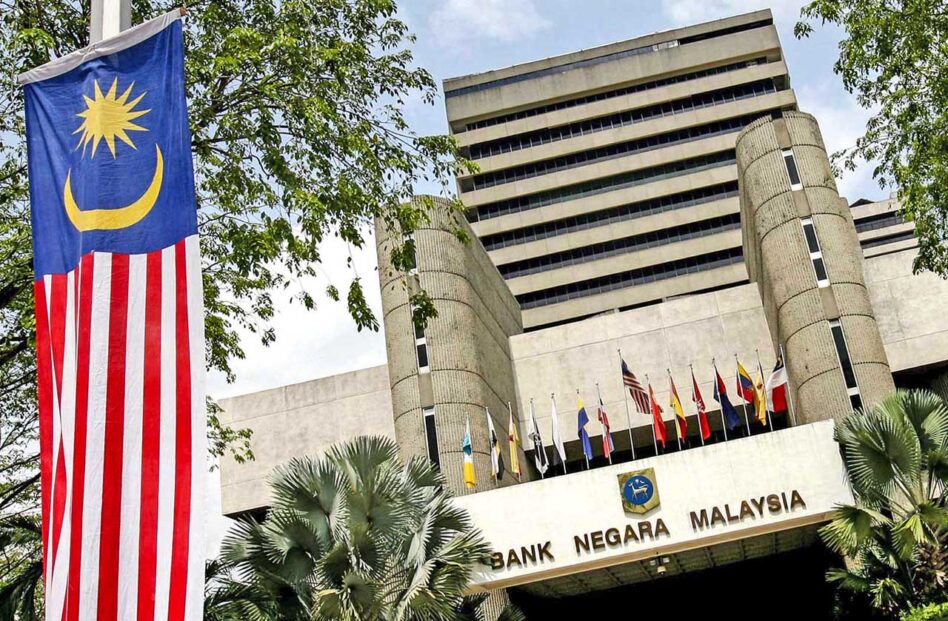
Bank Negara Malaysia plays a central role in monitoring financial transactions under AMLA.
Its Cash Threshold Reporting requirements currently apply to specified institutions, including banking institutions, selected development financial institutions, Lembaga Tabung Haji and licensed casinos. The threshold is RM25,000 or more in qualifying physical-cash transactions within a day.
However, this is a reporting requirement, not a prohibition on cash transactions above RM25,000.
Suspicious Transaction Reports, meanwhile, have no minimum monetary threshold. Suspicion, rather than transaction size alone, determines whether reporting is required.
Designated non-financial businesses and professions, including lawyers and registered estate agents, are also subject to applicable AMLA obligations. Depending on the activities involved, these include client identification, due diligence and reporting suspicious transactions.
The gap between legality and transparency
The concern is whether existing safeguards provide sufficient transparency when substantial amounts of physical currency are used in property purchases.
Imagine someone acquiring three properties worth RM15 mil altogether, using physical cash without bank financing.
Where did the money originate? Was it generated through legitimate business activities? Was the income properly declared? Does the purchaser genuinely own the funds, or is someone else financing the acquisition through a nominee or intermediary?
These questions do not automatically imply wrongdoing, but they warrant scrutiny when circumstances indicate heightened risks.
Property can be attractive to money launderers because it can convert questionable wealth into an apparently legitimate asset. Subsequent sales, rental income or ownership transfers can make the original source of funds increasingly difficult to trace.
Authorities should therefore consider not only transaction values but also ownership patterns, beneficial ownership, payment arrangements and unexplained wealth.
What should Malaysia do?

The government should consider several practical improvements:
- Strengthen source-of-funds verification: Introduce appropriate risk-based checks for high-value property transactions, particularly those involving substantial physical-cash payments.
- Improve beneficial ownership transparency: Identify the individuals behind companies, nominees and other ownership arrangements used to acquire properties.
- Strengthen professional accountability: Ensure conveyancing lawyers and registered estate agents understand and fulfil their applicable AMLA obligations.
- Improve inter-agency cooperation: Facilitate lawful information-sharing between Bank Negara Malaysia, the Inland Revenue Board, the Malaysian Anti-Corruption Commission, the police and relevant land authorities.
- Examine high-risk cash purchases: Consider whether additional safeguards or a specific reporting mechanism should apply to multimillion-ringgit physical-cash property transactions.
Transparency must accompany property ownership
Malaysia cannot afford to treat the property market merely as a commercial marketplace without considering its wider implications for financial integrity.
Wealth should not place anyone beyond accountability. Equally, buying an expensive property without a mortgage should not automatically invite suspicion.
The principle must be straightforward: legitimate wealth deserves protection, while criminal proceeds must not acquire respectability through property ownership.
The government should examine whether the existing framework adequately addresses the risks associated with multimillion-ringgit physical-cash purchases. Any additional safeguards should be introduced through clear legislation and proportionate, risk-based regulation.
Ultimately, Malaysians should be allowed to buy property with their own money. The question is whether Malaysia can ensure that substantial property transactions are sufficiently transparent to protect the integrity of its financial system.
Financial transparency is not an obstacle to legitimate wealth. It is a safeguard against its misuse.
KT Maran is a Focus Malaysia reader.
The views expressed are solely of the author and do not necessarily reflect those of MMKtT
- Focus Malaysia.

No comments:
Post a Comment
Note: Only a member of this blog may post a comment.