


“Saya telah berjaya membangunkan Selangor menjadi negeri maju dengan international standard. Di mana negeri maju itu telah disah dan dibuat kajian oleh IMAF, International Management of Sweden recognised Selangor maju dan IMF telah keluarkan buku yang menjadi panduan untuk pelabur-pelabur.”
This was part of former Selangor menteri besar Mohamad Khir Toyo’s mitigation plea before being sentenced on corruption-related charges in September 2015.
In short, he said that he had developed Selangor to a fully developed state and this was certified by the Swiss Institute of Management. He said his efforts had been recognised by the International Monetary Fund (IMF), which has produced a book meant as a guide for investors. Both were whoppers.
In a commentary on Sept 25, 2015, I decided to call his bluff. In the public interest and in the interest of justice, I unequivocally stated that the book and the “recognition” were picked from thin air and the archives can provide anecdotal and dependable data to back this.
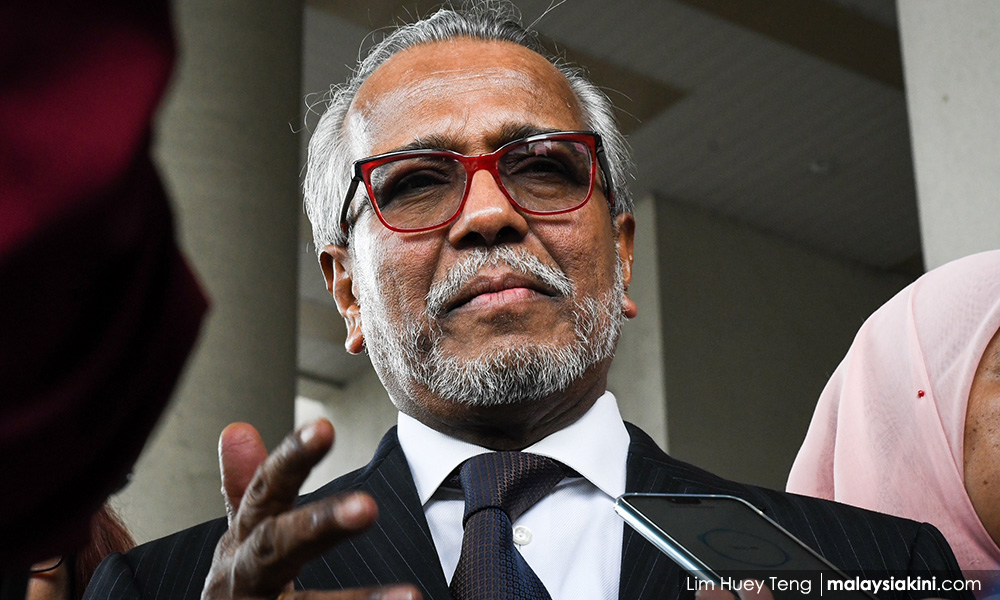
On the day of the sentencing, Sept 29, his defence counsel Muhammad Shafee Abdullah (photo below) addressed the court.
Malaysiakini reported: “Shafee brought to the attention of the five learned judges, two articles – a commentary by R Nadeswaran titled ‘Truth, nothing but the truth’ dated Sept 25, and an editorial titled ‘Don't do the crime, if you can’t do the time’ which was published on Sept 28.” He complained that they were “prejudicial” to his client.
Chief Judge of Malaya Zulkefli Ahmad Makinudin said the court took note of the articles but denied that the judges were influenced by the articles or the social media.
But what the court did not hear was the most crucial part of my critique: “It is not this writer’s or this newspaper’s business to dissect and scrutinise mitigation pleas from convicted people. The competent authority is the court and we don't seek to influence them or prejudice the case of the convicted person.”
End of story? No. Outside the court, Shafee told reporters that he had instructions to file contempt proceedings against me. To date, nothing has happened.
Seven months later, I had the opportunity to ask the then attorney-general Mohamed Apandi Ali on the need to retain the “sub judice” rule, especially given that jury trials had been abolished a long time ago.
His response: “We can’t take for granted that judges can’t be influenced. There have been instances (where) judges have been influenced. Even the mere presence of people in a courtroom can instil fear in a judge. Judges are only human. Some judges have told me (that) they feel the fear. The element of fear is there. To avoid that is better, (we need) to still maintain this sub judice (rule).”
If they fear journalists like me and believe that we can influence judges, it is either one of two things – journalists are very persuasive or the judges have no mind of their own and do not decide by the evidence before them, which makes them look plain stupid.
Gag order
The sub judice rule has been (mis)used by the previous regime when ministers were required to answer questions raised by MPs in Parliament. They would say the matter is in court and declined comment. The current frontbenchers will remember the number of times they were thwarted from pursuing issues based on this rule.
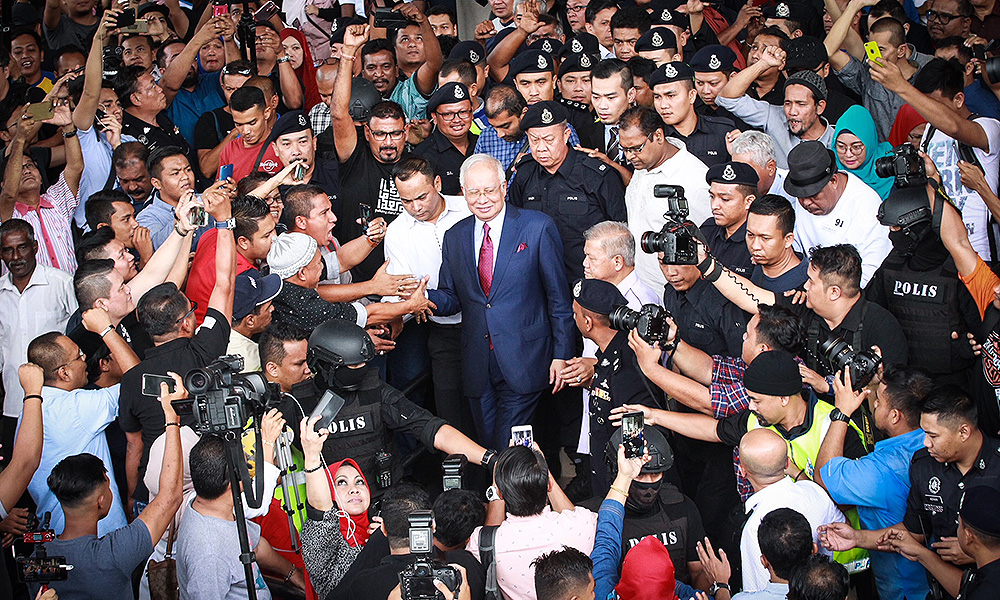
Wednesday’s gag order by the judge in former premier Najib Razak’s corruption case has once again re-ignite the debate for the abolition of the sub judice rule and gag orders issued by the courts. Many will agree that gag orders are necessary, especially in security-related cases, offences against girls and women and other “sensitive” issues.
Preventing the public from discussing cases of suspected criminals border on curbing freedom of expression. (The media had a free run before Botak Chin – the modern-day Robin Hood who robbed the rich to feed the poor - was convicted. No one complained).
Already, people are talking about Najib regarding his culpability and answerability in coffee shops, pubs, parties, weddings and even at wakes and funerals. His vulnerability and helplessness, they argue is obvious, visible and clear. The “oohs” and “aahs” on the quantity and value of seized valuables from an apartment are still echoing in some conversations. No one can stop them – not even a gag order.
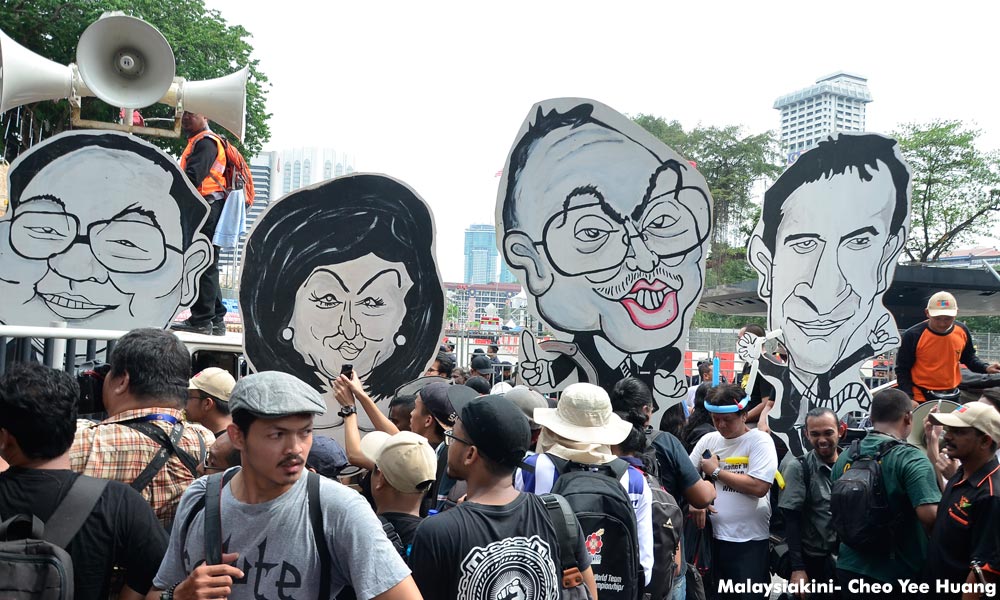
How is this gag order going to apply, say in a forum, similar to the one in which Shafee was accused of revealing evidence recorded in camera in PKR de facto leader Anwar Ibrahim’s Sodomy 2 trial?
In this instance, the accused, Najib himself has broken the gag order by outwardly and vociferously claiming he is innocent. “This is the best opportunity for me to completely clear my name after being subjected to such harsh slander and accusations,” he told reporters after being released from the High Court holding room on Wednesday.
What’s good for the goose must be good for the gander too. If Najib is entitled to announce his innocence, why can’t Joe Public talk about his guilt?
Why can’t people wonder publicly about the huge sums of money that were supposedly deposited in Najib’s account? Why can’t we (as taxpayers) question as to how a government-linked company has such poor financial controls that it (purportedly) acted as a piggy bank for the then prime minister?
These facts are available from the charge sheet and if we cannot discuss even the contents of the charges, then the citizens, the judiciary and the judicial system are doomed.
R NADESWARAN has consistently argued against sub judice rules and will continue to work around gag orders and write without fear or favour. Comments: citizen.nades22@gmail.com. -Mkini

No comments:
Post a Comment
Note: Only a member of this blog may post a comment.