


A coalition of NGOs and prominent figures has delivered a blistering warning to Putrajaya - public trust in the government and the MACC has evaporated.
They insisted neither institution can be relied upon to conduct a fair probe into the corruption scandal surrounding Prime Minister Anwar Ibrahim’s former political aide, Shamsul Iskandar Akin.
The group - comprising C4 Center, Beyond Borders, Pusat Komas, SIS Forum (Malaysia), Bersih, Suaram, Persatuan Pemangkin Daya Masyarakat (Rose), Society for Equality, Respect and Trust for All Sabah (Serata) - was joined by independent scholar S Munirah Alatas, political economy professor Terence Gomez, and investigative filmmaker Mahi Ramakrishnan.
While Anwar has publicly insisted the MACC can investigate “without any outside interference”, the coalition said his assurance “rings hollow when the MACC itself faces a major trust deficit”.
“MACC chief commissioner Azam Baki has been the subject of public protest and criticism for his involvement in a shareholding scandal. Despite this, Anwar has renewed his term as chief commissioner three times.
“Bloomberg has alleged that Anwar instructed Azam not to open any investigations against (another former aide) Farhash (Wafa Salvador Rizal Mubarak) for his suspicious share purchases, and instead investigate former prime minister Dr Mahathir Mohamad and his sons, as well as former finance minister Daim Zainuddin.
“Anwar denied these claims, and investigation papers against Bloomberg for criminal defamation were submitted to the Attorney-General’s Chambers. However, the case was then classified as no further action due to a lack of evidence,” the statement said.
Sabah graft scandal
The coalition highlighted what it called the MACC’s selective zeal, citing its controversial handling of the Sabah corruption scandal, where only two of 15 implicated politicians have been charged, even as nine plan to contest in the upcoming state election.
“In light of this, is there any trust in the Madani government that it will act impartially and transparently communicate any investigation findings to the public?” they asked.
The mining scandal took a new turn on Tuesday when Malaysiakini reported that businessperson Albert Tei claimed he had spent RM629,000 on Shamsul after being allegedly assured he could recover the funds from Sabah politicians accused of receiving bribes for mineral licences.
The revelations escalated further. Two explosive videos soon emerged, featuring a woman purportedly acting as Shamsul’s proxy. She claimed Shamsul advised Tei to secretly record conversations with Sabah politicians and that the plan had Anwar’s blessing, with Azam allegedly aware.
The woman later denied the allegations, calling them a conspiracy against Shamsul and Anwar.
The NGOs and prominent individuals denounced the allegations as “appalling” and demanded a full, transparent investigation. They urged the government to deliver on its reform promises to ensure political abuses of power are never repeated.
Culture of impunity
The statement also noted Shamsul, who resigned as Anwar’s aide the same day Malaysiakini published its report, had faced criticism for issuing a support letter in 2024 for contractors involved in a hospital project.
“It must be noted that Anwar thought it fit to merely reprimand Shamsul for his issuance of a support letter in a government procurement process.
“Is the attempt to influence a government procurement process - especially considering Shamsul directly worked for one of the most powerful men in the country - not straightforward corruption?
“Is Anwar’s meek and dismissive reprimand the type of transparent and accountable governance that he so often claims to champion? If not for Tei’s latest revelations, would Shamsul have continued as Anwar’s political secretary?” they asked.
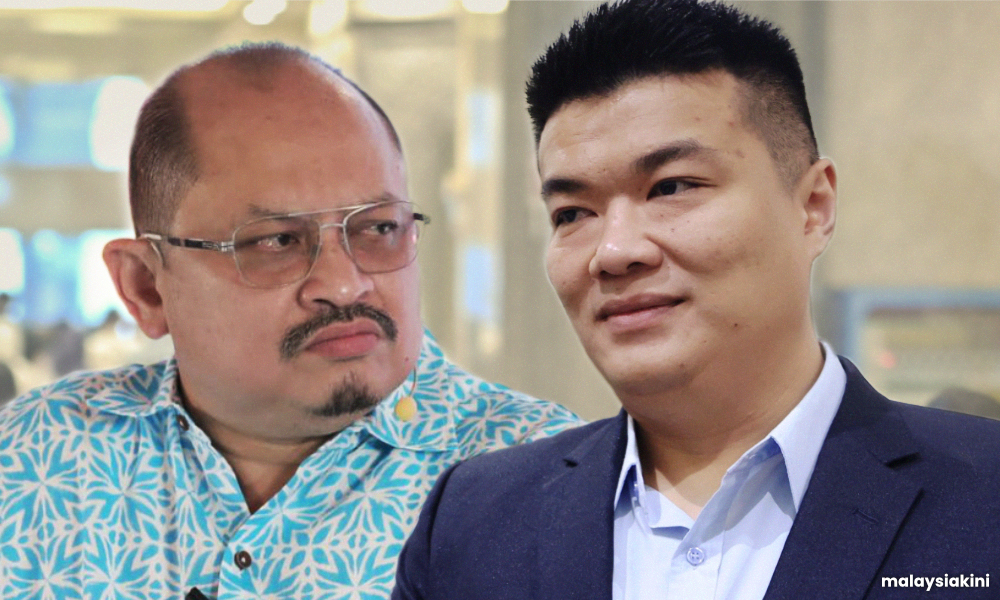
The coalition argued that these allegations reflect an entrenched culture of impunity within the Madani government’s leadership.
They said that despite repeated promises of anti-corruption efforts, numerous Anwar appointees and associates remain tainted by scandals yet retain influential positions, including Deputy Prime Minister Ahmad Zahid Hamidi; Investment, Trade and Industry Minister Tengku Zafrul Abdul Aziz; Home Minister Saifuddin Nasution Ismail, and Federal Court judge Ahmad Terrirudin Salleh.
“Anwar took office on a platform of zero tolerance towards corruption, and that maintaining good governance principles would be a top priority. These statements have aged exceedingly poorly due to the Madani government being mired in scandal after scandal, many of them within the last year alone.
“The Sabah mining scandal, the Football Association of Malaysia (FAM), Selangor Intelligent Parking initiative, Bersatu Adam Radlan Adam Muhammad’s acquittal, and former premier Najib Abdul Razak’s DNAA (discharge not amounting to an acquittal).
“These cases exhibit a chronic lack of accountability and transparency. In all, the Madani government has not satisfactorily provided reasonable justifications or resolutions that would have led to meaningful and positive change in governance,” they added.
Structural reforms needed
The coalition also referenced the National Anti-Corruption Strategy 2024-2028, in which the Madani government aims to place Malaysia among the top 27 countries in Transparency International’s Corruption Perception Index by 2028. This year, Malaysia ranked 57.
“With the seemingly endless slew of unresolved corruption scandals and governance failures, will this target ever be reached?” they asked.
The group stressed that Malaysia urgently needs structural reforms to prevent further abuses of power. They called for:
Removal of executive influence over the MACC, including the prime minister’s appointment powers over the chief commissioner;
Separation of the offices of the attorney-general and public prosecutor, ensuring full independence of the public prosecutor;
Legislation of a Political Financing Act, including mandatory public reporting of all political funds and a total ban on corporate and anonymous donors.
“Without these fundamental reforms, corruption scandals of this magnitude (and greater) will continue to emerge.
“It is the entire government’s responsibility to reverse its culture of impunity, lack of accountability, and failure to reform. Malaysians deserve better,” they concluded. - Mkini

No comments:
Post a Comment
Note: Only a member of this blog may post a comment.