


Browsing through judge Colin Sequerah’s 810-page written judgement on the RM2.3 billion case involving Najib Abdul Razak, released on Tuesday, one is struck by the record trial time of over six years and the mountains of evidence that had to be sifted through.
It definitely did not give the impression of Najib as someone who was not aware of what was happening but was fully cognisant of what he was doing when he gave approvals for money transfers and worked with businessperson Low Taek Jho (Jho Low) to enable the fraud.
And as elections are around the corner or further out of the bend, depending on who you talk to, it is worthwhile remembering that 1MDB may not have happened if we had controls on election funding in place.
It has been speculated that part of the money that came into Najib’s accounts was used for the 2013 general election.
The US Department of Justice reported in its investigation of 1MDB that US$681 million (about RM2.7 billion) came into Najib’s account in March 2013 and US$620 million (about RM2.5 billion) flowed out in August of the same year.
Funding Umno
Elections were held in May. Some US$61 million or over RM240 million was not returned. Reports indicated that Umno divisions received cheques from Najib of about RM3 million each, according to some accounts.
Although during Najib’s tenure as PM - from 2009 to 2018 - there were attempts to introduce legislation to limit political funding, it was never introduced, even after the government changed hands.
There are no limits to political funding in Malaysia and no requirement for donors to be named publicly.
It remains a black box where much abuse takes place to this day, with 1MDB thought to be part of a scheme to raise political funding as well.
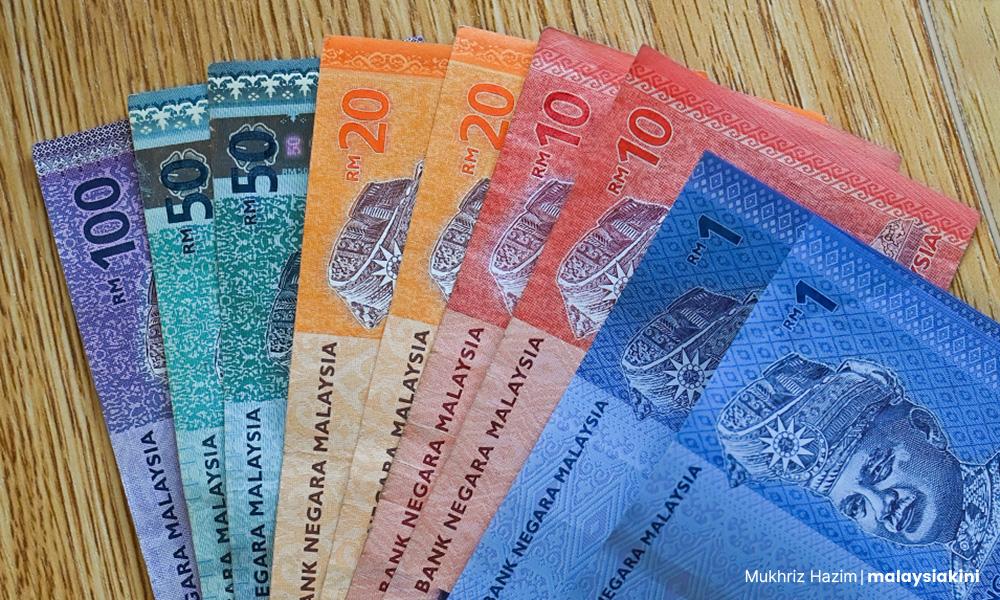
Sequerah found Najib guilty on four counts of abuse of power and 21 counts of money laundering involving RM2.3 billion in funds linked to 1MDB, sentencing him to 15 years in jail and imposing a total fine of RM11.4 billion, in December last year.
This was described in press reports as the largest episode of kleptocracy in the world.
“The scale of the plunder that took place (financially speaking, of course) made Attila the Hun look like a choirboy by comparison,” Sequerah famously said in his written judgment.
The question of a pardon
And it has grave implications as to the question over whether Najib should be pardoned, with the clear answer that he should not.
This is given his complicity and ultimate responsibility for the theft of billions of ringgit from 1MDB, leading to its ultimate collapse in a mire of debt, the monies being stolen from the debt raised.
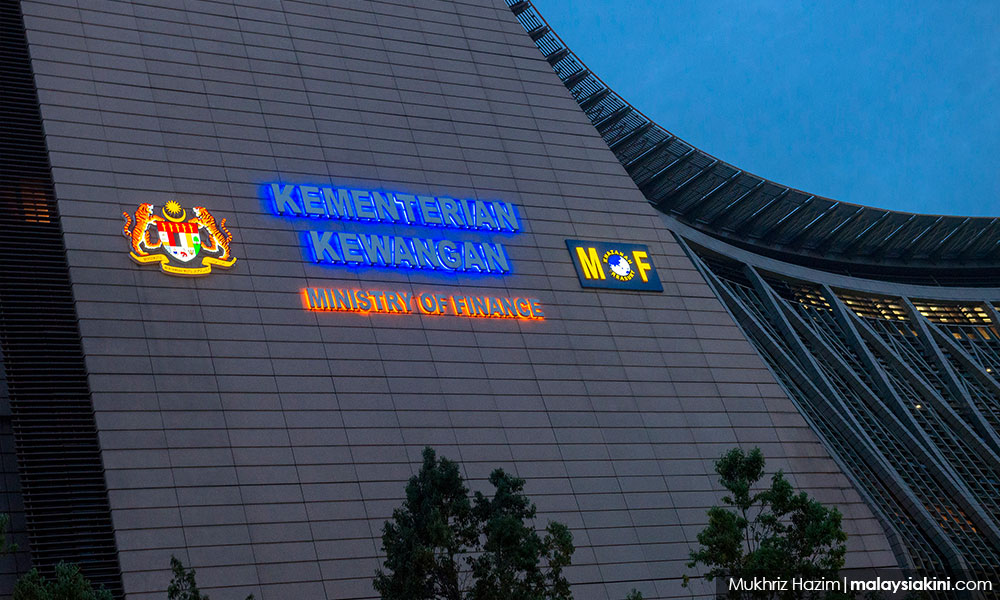
It was a double whammy - bad enough that 1MDB, the self-styled development company wholly owned by the Finance Ministry, borrowed a stupendous RM40 billion or more, most of it was stolen through elaborate schemes of transfer which Najib approved - the court found in the case.
Najib’s alter ego
Based on the weight of evidence, including witness statements, Sequerah described Low as acting as the “mirror image” or proxy as Najib’s alter ego, despite Low not being an officeholder in 1MDB, his actions effectively being on behalf of Najib.
This assertion was further buttressed by the fact that 1MDB’s memorandum and articles of association (Section 117) required that all major transactions had to be approved by the finance minister, which was Najib, giving him little wiggle room to squirm out of his basic responsibility.
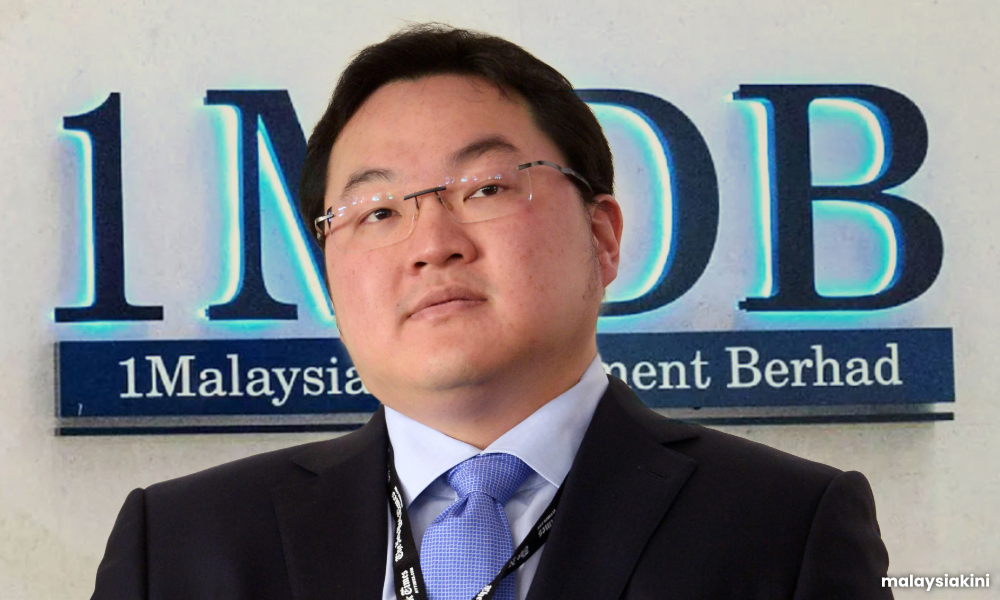
The Tanore/1MDB case, as this came to be known, was yet another criminal conviction of the former prime minister following upon his conviction on all seven charges related to the RM42 million from the SRC International Sdn Bhd case.
This was for abuse of power, criminal breach of trust, and money laundering.
He was sentenced to 12 years in jail and a fine of RM210 million.
However, in Feb 2024, while the 1MDB trial was still going on, the Pardons Board inexplicably and controversially halved his sentence to a mere six years and slashed the fine by more than three quarters to RM50 million against RM210 million.
That should not be a problem for Najib because items seized from him and his wife Rosmah Mansor in a May 2018 raid, valued then at more than RM1 billion, are being returned through court decisions, some of which are not being challenged by the attorney-general.
With the partial pardon, Najib could be out of jail by 2028 with the payment of the RM50 million fine.
The 1MDB case is on appeal at the moment, and a date has not been set for a hearing by the Court of Appeal, which is said to be waiting for the grounds of judgment, which were just released.
But it could be some time before this is settled because there is another round of appeal - to the Federal Court - before the case is closed.
With no urgency being attached to this case, it could take some time before Najib’s fate is sealed.
Money did not work
In the meantime, the call for Najib to be released via a royal pardon is getting raucous, especially among Umno leaders who are no doubt looking for contributions of funds from Najib for the elections, in the belief that it would sway election results.
They would do well to remember that it did not in 2018. Thus, a pardon for Najib now, ahead of elections and even before the 1MDB case is disposed of, can result in even more angst against Umno and a further erosion of its support.
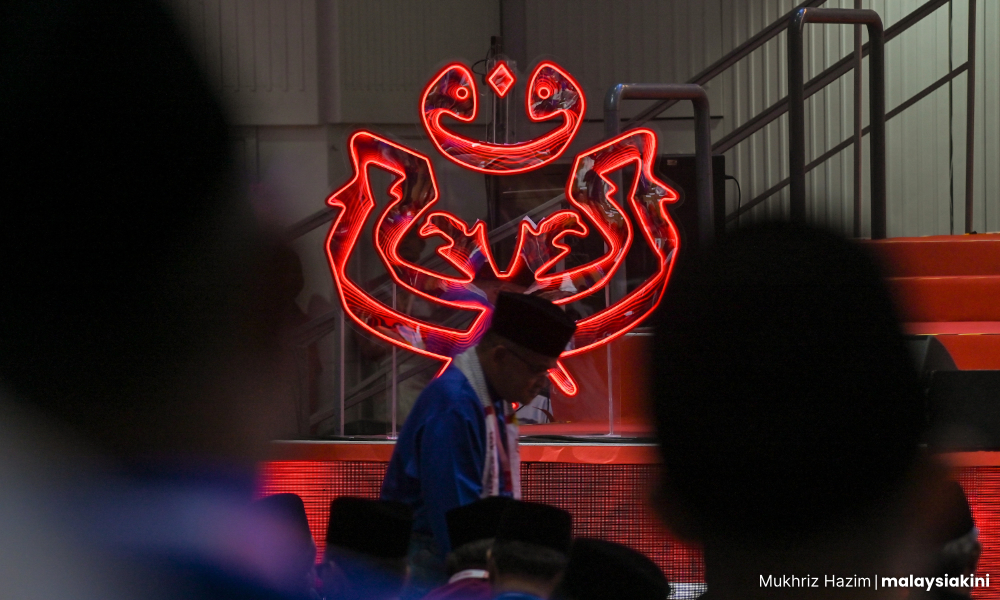
It is no accident that Umno’s fortunes have been in a continuous decline along with that of Najib from 88 MPs in 2013, to 56 in 2018, and a mere 26 in 2022.
It would be folly to think a pardon for Najib would be good for Umno.
Najib has neither admitted his crimes nor shown any remorse. - mKINI
P GUNASEGARAM says criminals, especially those involved in grand larceny, must pay for their crime. He wrote the first book on 1MDB titled “1MDB: The Scandal that Brought Down a Government in August 2018”.
The views expressed here are those of the author/contributor and do not necessarily represent the views of MMKtT.

No comments:
Post a Comment
Note: Only a member of this blog may post a comment.