


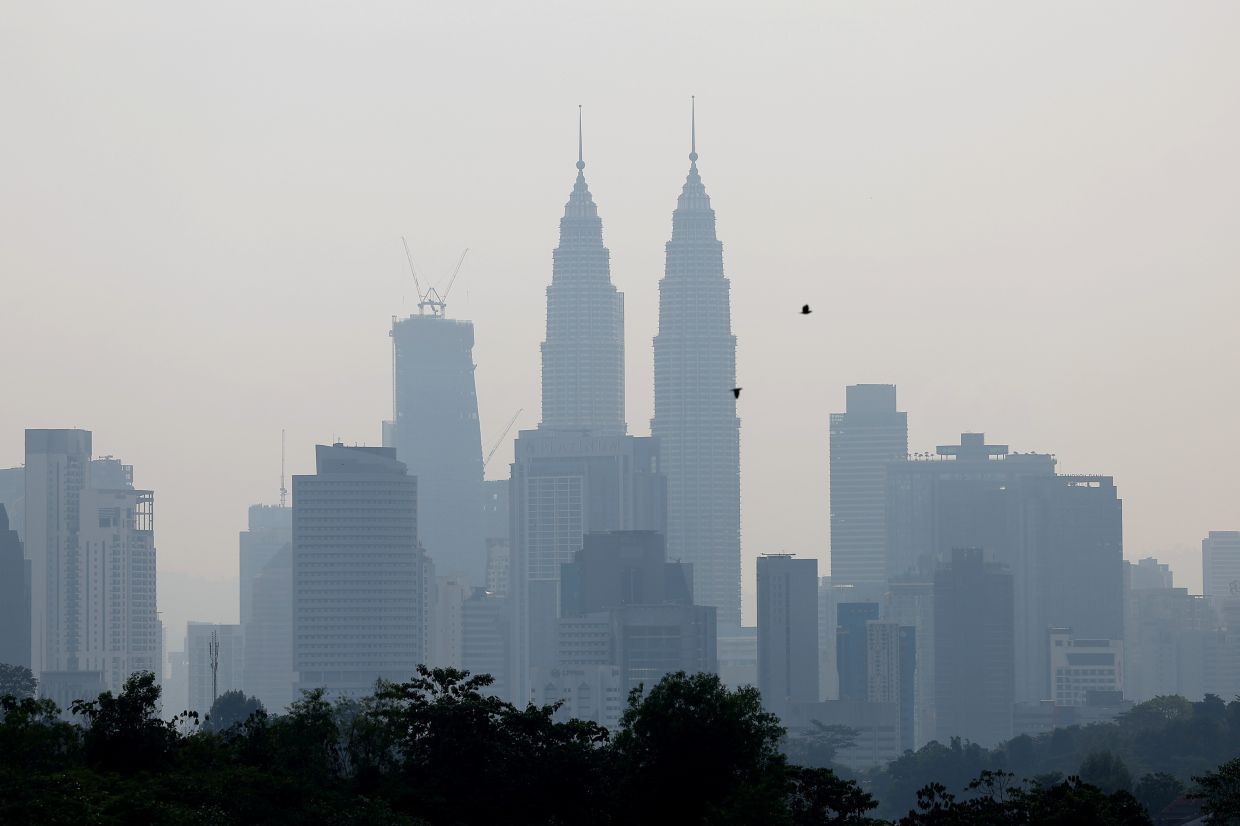
SYAHGANDA Nainggolan, head of Indonesia’s Government Communications Agency, has drawn online ridicule after suggesting that Malaysia and Singapore should recognise the oxygen supplied by Indonesia’s forests instead of focusing solely on transboundary haze.
Speaking at Indonesia’s National Resilience Institute (Lemhannas) in Jakarta on Oct 10, Syahganda said: “We’re not just sending over the haze. When there’s no haze, we send oxygen. The oxygen in Singapore and Malaysia comes from our forests, right?”
He also described the forest and land fires as a natural phenomenon beyond human error, prompting further criticism amid worsening regional air pollution.
But does the oxygen we breathe in Malaysia and Singapore come from Indonesian forests?
The answer requires a closer look at how oxygen is produced, consumed and distributed around the planet.
The ocean’s role in producing oxygen
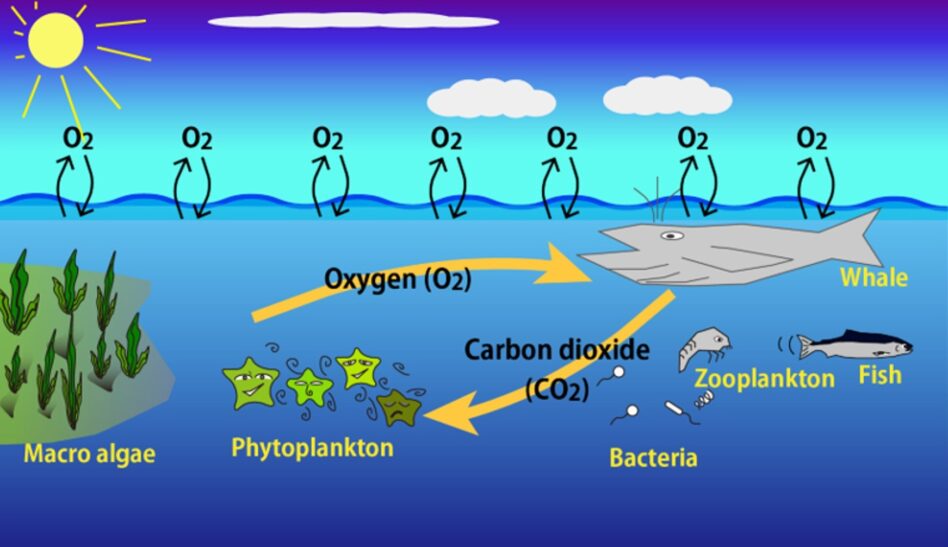
Contrary to the common assumption that trees are Earth’s primary source of oxygen, the ocean plays a major role in replenishing the atmosphere.
The US National Oceanic and Atmospheric Administration (NOAA) estimates that roughly half of the oxygen produced on Earth comes from the ocean.
Much of it is generated by photosynthetic organisms such as phytoplankton, algae and certain bacteria, including Prochlorococcus.
These microscopic organisms absorb carbon dioxide and use sunlight to produce energy, releasing oxygen through photosynthesis.
However, the distinction between oxygen production and the amount added to the atmosphere is important.
Marine organisms also consume oxygen through respiration and decomposition, meaning that not all the oxygen they produce represents a net addition to the atmosphere.
Do forests supply oxygen to neighbouring countries?
Forests also produce oxygen through photosynthesis. Yet their contribution to atmospheric oxygen must be understood alongside the oxygen consumed by plants, animals, microorganisms, decomposition and fires.
In a mature forest, much of the oxygen produced during photosynthesis is consumed through respiration and the decomposition of organic matter.
Over time, the net contribution to atmospheric oxygen can therefore be relatively small, although forests remain crucial for storing carbon, supporting biodiversity and regulating climate and water cycles.
This does not mean forests are unimportant. On the contrary, protecting them is essential to environmental stability. But their value cannot be reduced to the oxygen they produce.
Nor can the oxygen in Malaysia’s or Singapore’s atmosphere be attributed exclusively to Indonesian forests. Oxygen is continually mixed through the atmosphere by large-scale air movements.
The air we breathe is part of a global system shaped by photosynthesis and other natural processes over millions of years.
Consider Point Nemo, the remote location in the South Pacific that lies about 2,688km from the nearest land. People can still breathe there because atmospheric oxygen is distributed around the planet, rather than supplied only by nearby trees.
Haze is not simply a natural phenomenon
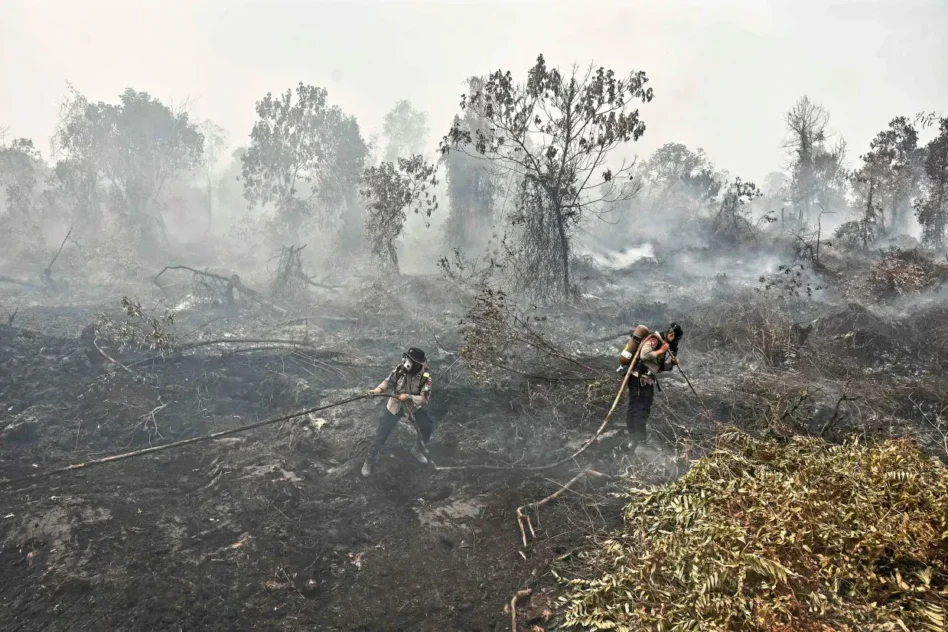
Syahganda’s characterisation of the fires as a natural phenomenon also risks overlooking the human activities that can cause or worsen them.
Indonesia experiences dry conditions that increase the risk of forest and land fires. Its Meteorology, Climatology and Geophysics Agency reported hundreds of high-confidence hotspots across Sumatra and Kalimantan in early October, alongside satellite observations of smoke in several regions.
However, dry weather does not rule out human responsibility. Land clearing through burning, accidental fires and inadequate fire prevention can all contribute to the problem.
The causes of individual fires need to be established through evidence, rather than assuming every blaze is either entirely natural or deliberately started.
The regional consequences are not confined to Indonesia. Smoke carried across national borders can expose people in neighbouring countries to harmful particulate pollution, disrupt daily activities and force authorities to consider protective measures.
The issue therefore requires cooperation, effective enforcement and preventive action, alongside assistance for communities affected by fires.
A shared atmosphere, a shared responsibility
Indonesia’s forests provide important environmental benefits to the region and the world. Acknowledging those benefits, however, does not diminish the legitimate concerns of neighbouring countries affected by transboundary haze.
Atmospheric oxygen is not a national export that can be credited to one country while the costs of pollution are borne by another.
The more useful question is how governments can prevent fires, protect forests and reduce the health risks posed by haze.
Indonesia, Malaysia and Singapore share an atmosphere that knows no political borders. Their cooperation should reflect that reality.
The science is clear: forests matter enormously, but not because neighbouring countries owe them gratitude for the oxygen they breathe.
Their protection is a shared environmental responsibility, just as preventing transboundary haze is a shared regional concern.
YS Chan is a tourism, transport and training consultant.
The views expressed are solely of the author and do not necessarily reflect those of MMKtT
-Focus Malaysia.

No comments:
Post a Comment
Note: Only a member of this blog may post a comment.