


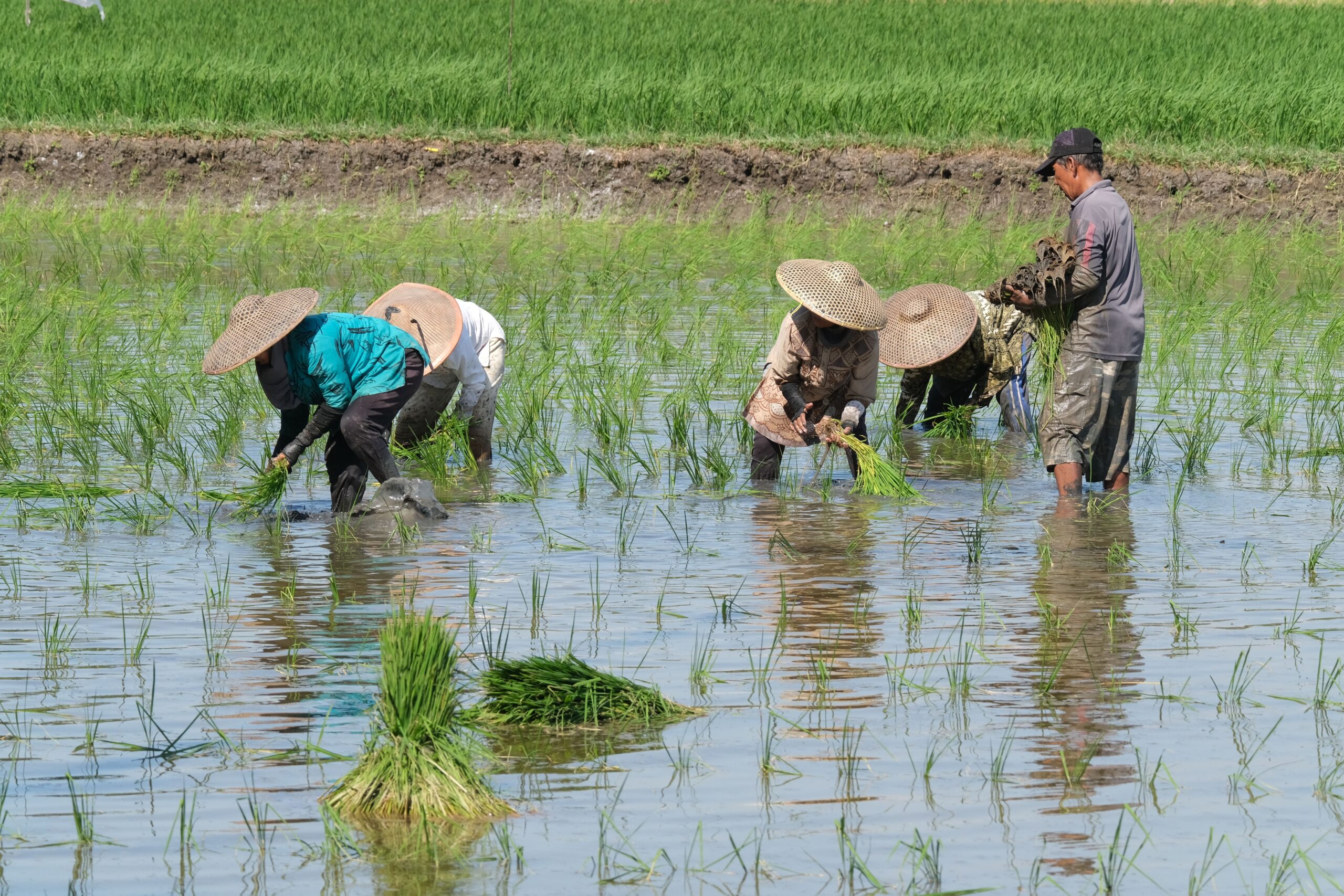
WHEN we talk about food security, we usually picture empty supermarket shelves or the price of onions suddenly shooting up.
But the truth is, it is much bigger than that.
It is about whether your family can afford a proper meal next month, whether a farmer in Kedah can survive another unpredictable monsoon, and whether Malaysia can keep feeding itself when global markets go haywire.
So when the government says it is drafting a National Food Security Act, this is a big deal. The government has said the legislation will provide a stronger legal foundation for food security, while the Agriculture and Food Security Minister has said the Bill is expected to be tabled in Parliament in 2027.
But here’s the catch: if this ends up as another thick document filled with broad goals and good intentions, we will have wasted a massive opportunity.
Malaysia already has policies covering the food system, including the National Agrofood Policy 2021-2030 and the newly launched National Food Security Policy 2030.
The latest policy sets out a broader framework covering availability, accessibility, utilisation, stability, sustainability and agency.
Yet the latest data show why we cannot afford to simply congratulate ourselves and move on.
Malaysia’s Food Security Index improved from 54.5 in 2023 to 61.5 in 2024. Great. But the Availability Index actually fell from 54.3 to 50.0. The Utilisation Index, which covers aspects related to nutrition and food safety, stood at 50.4.
That’s the thing about food security: having food in the market does not automatically mean we are secure, and having enough to eat does not necessarily mean people are eating well.
This new Act needs teeth.
First, look beyond rice.
Yes, rice is king. But we cannot survive on rice alone. The Act should take a broader view of the foods Malaysians actually depend on, including vegetables, fish, poultry and eggs, with measurable targets for strengthening domestic supply where appropriate.
Second, prepare for the worst, not just react to it.
Floods happen. Droughts happen. Diseases can wipe out livestock. Geopolitical tensions can disrupt supply chains and send input costs soaring. The government has already identified the need for early-warning systems and contingency plans under the proposed legislation.
The Act should make those mechanisms clear: who acts, when the plan is triggered, what reserves can be released and how assistance reaches farmers and food producers.
We should not wait for panic-buying before we start moving.
Third, affordability has to be part of food security.
It does not matter how secure the national supply looks on paper if a low-income family cannot afford nutritious food.
Support measures should therefore go beyond simply keeping headline prices low. They should ensure vulnerable households, including children and older people, can actually afford a healthy diet.
Fourth, put farmers first, for once.
We keep telling young people to go into technology, finance and other supposedly modern industries. But who is going to grow our food?
If we want agriculture to attract the next generation, it has to be a viable career. Farmers need fair returns, access to affordable inputs, protection against climate and production risks, and secure access to productive land.
A farmer should not feel like a gambler every time they plant a crop.
And we need to stop treating agricultural land as land that is simply waiting for something more profitable to be built on it.
Productive farmland is a strategic national resource. Once it disappears under concrete, we cannot simply produce more of it when the next food crisis arrives.
Finally, give the law real accountability.
We need an annual report to Parliament, not just another press release. How much are we importing? How resilient are our domestic supplies? Are strategic reserves sufficient? Are farmers actually benefiting from government programmes?
The government should not be allowed to mark its own homework.
At the end of the day, this Act is an opportunity to stop being reactive. It can give Malaysia a framework for dealing with the next flood, drought, disease outbreak, geopolitical shock or global supply disruption before it becomes a crisis.
The question is not simply: Can we afford to import enough food today?
It is: Can we feed our people in 10, 20 or 50 years, whatever happens to the rest of the world?
That is the law we need.
One that protects our farmers, our families and our future.
Not another policy that looks good on paper, but a law with enough teeth to make sure that when the next crisis comes, Malaysia is ready.
KT Maran is a Focus Malaysia viewer.
The views expressed are solely of the author and do not necessarily reflect those of MMKtT.
- Focus Malaysia.

No comments:
Post a Comment
Note: Only a member of this blog may post a comment.