


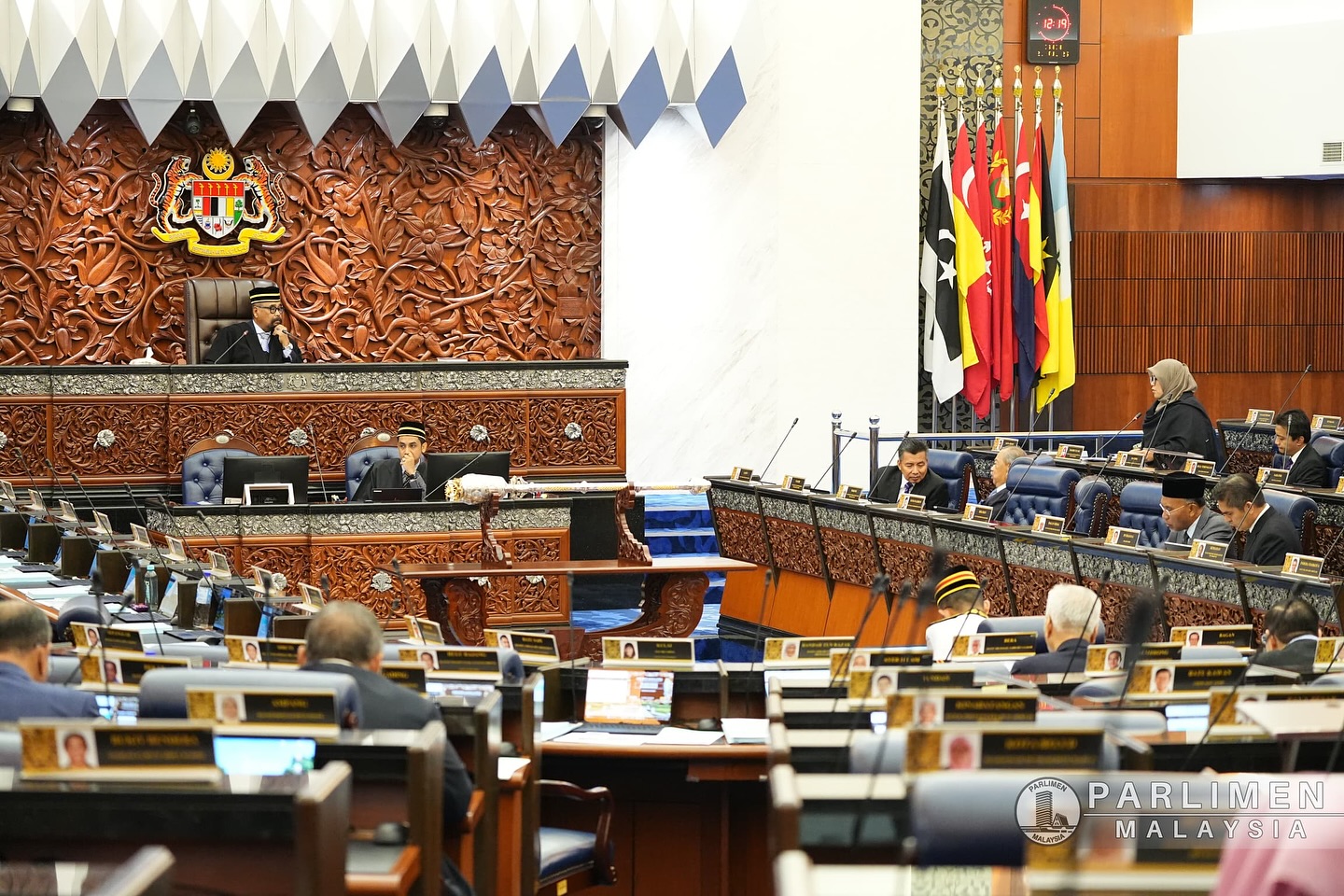
THE government should give opposition and backbench MPs a formal role in determining the Dewan Rakyat’s agenda as part of broader parliamentary reforms, says Project Stability and Accountability for Malaysia (Projek SAMA).
The group said the proposal, made by Wawasan secretary-general and Indera Mahkota MP Datuk Seri Saifuddin Abdullah, should be referred to the Standing Orders Committee or a special select committee for proper consideration rather than dismissed outright.
Saifuddin recently proposed giving the opposition leader a role in determining the Dewan Rakyat’s order of business as part of efforts to strengthen consultation in Malaysia’s democratic system. He also called for a greater role for parliamentary select committees in the legislative process.
Projek SAMA said the proposal should involve amending the Standing Orders to establish a cross-party mechanism for consulting on the legislative agenda and reserving parliamentary time for private members’ business involving government backbenchers and opposition MPs.
“Parliamentary rules are not written for one Opposition Leader or one parliamentary term. They are written for the office, and they will apply to whoever occupies it after the next general election,” Projek SAMA said.
The group was responding to criticism from several Pakatan Harapan lawmakers, who have questioned the need for the proposal and pointed to the opposition’s conduct, including recent walkouts and disagreements over parliamentary scheduling.
Amanah secretary-general Muhammad Faiz Fadzil said the proposal was unsuitable at this stage, while some other government lawmakers called for further consideration.
Projek SAMA said such objections risk confusing the behaviour of the current opposition with the need for long-term parliamentary rules.
“Dismissing a structural reform because one dislikes the current opposition is short-sighted,” it said.
Consultation, not government veto
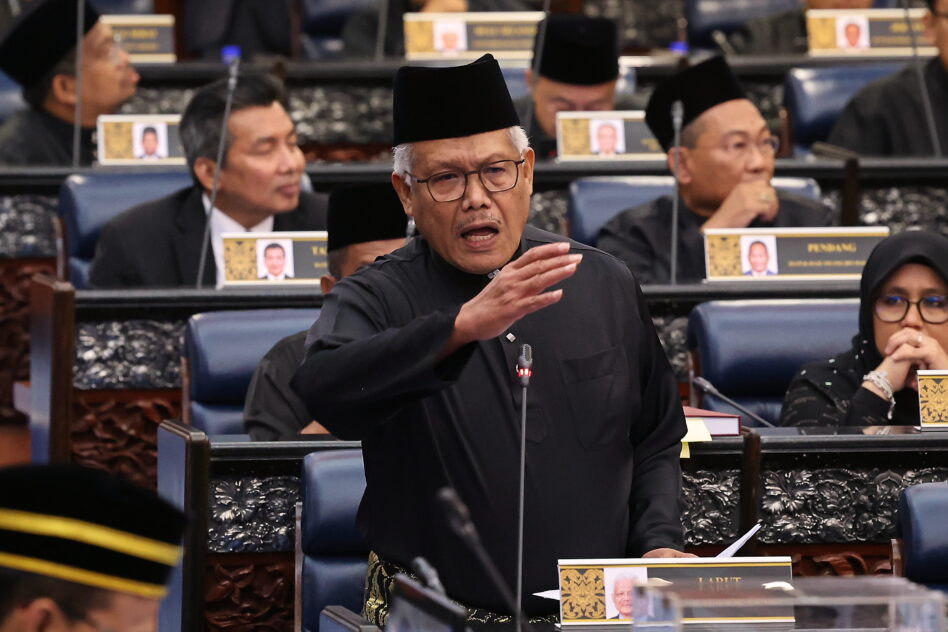
Projek SAMA said giving the opposition a formal role in parliamentary scheduling would not give it a veto over the government’s legislative programme.
It proposed two mechanisms.
The first would be a consultative House Business Committee, chaired by the Speaker and comprising representatives from the government, opposition and backbenchers.
The committee would discuss the parliamentary calendar before it is finalised, allowing MPs to raise requests for adequate debate time and urgent matters.
“The government would retain the final say over its own business, but it would have to hear objections, requests for adequate debate time and urgent matters through a formal mechanism and account for its decisions openly,” Projek SAMA noted.
The second would be reserved parliamentary time for opposition and backbench business.
The group pointed to the UK, where parliamentary time is allocated for opposition days and backbench business, as well as Canada’s use of allotted days for opposition debates.
A 2025 Journal of the Malaysian Parliament article also noted that the UK House of Commons sets aside parliamentary time for opposition business, backbench business and private members’ bills.
Projek SAMA said these arrangements did not prevent governments from maintaining their majorities or pursuing their legislative programmes.
“Throughout, the government retains its majority, its legislative programme and full control over executive decisions. The opposition simply gains a guaranteed voice in how parliamentary time is used,” it continued.
Reform should outlast individual governments
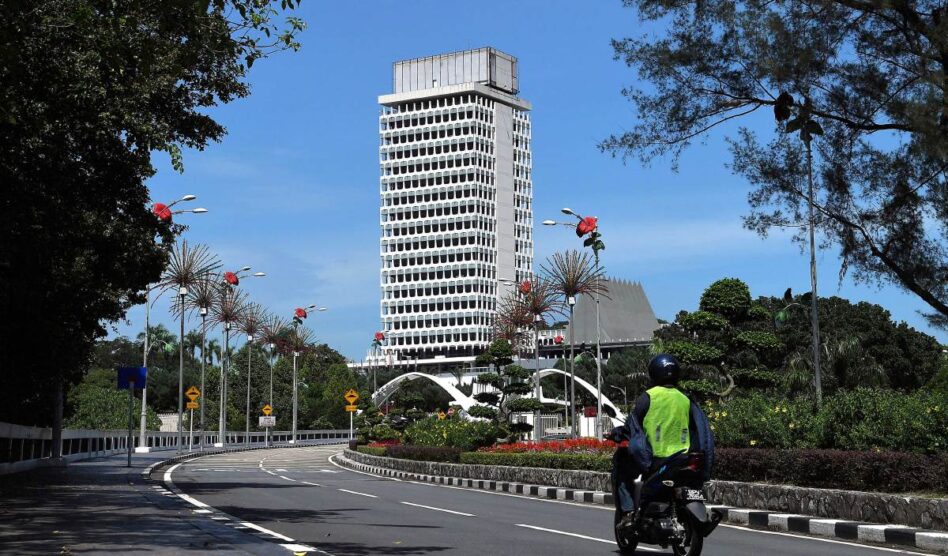
Projek SAMA said it had consistently advocated reforms aimed at giving all political parties a fair opportunity to perform their parliamentary roles, regardless of whether they were in government or opposition.
This included equitable constituency development allocations for all MPs, institutionalising the shadow cabinet and giving opposition MPs a meaningful role in parliamentary business.
“Democratic consolidation requires that every political party, whether in government or opposition, has a fair platform to perform, to be scrutinised and to compete for the people’s mandate,” it said.
The group said the issue had become more relevant following the implementation of the Parliamentary Services Act 2025 (Act 869) on Oct 1.
The Act restored a dedicated Parliamentary Service 34 years after the previous Parliamentary Services Act 1963 was repealed. It gives Parliament greater independence in administering its staffing, finances and affairs and establishes a Parliamentary Service Council.
Projek SAMA said greater administrative independence would be incomplete if the executive continued to have an overwhelming influence over the parliamentary agenda.
“The timing makes these remarks especially regrettable. The Parliamentary Services Act has just come into force, a milestone meant to restore Parliament’s independence from the executive,” it added.
“Parliamentary independence will be hollow if the Dewan Rakyat’s agenda remains, in practice, the executive preserve of the government of the day.”
Projek SAMA said a stronger opposition should be viewed as part of a stronger Parliament rather than an obstacle to government.
“A confident government has nothing to fear from a stronger opposition. Fair play in Parliament is the ultimate test of democratic maturity, ensuring our democratic institutions remain robust and accountable to the Rakyat, whoever holds power tomorrow,” it stressed. ‒ Focus Malaysia

No comments:
Post a Comment
Note: Only a member of this blog may post a comment.