


THE recent deaths of students in schools in Yong Peng and Damansara have once again raised a difficult but necessary question: how safe are our schools?
Schools are expected to be places where children learn, develop and spend much of their formative years. Yet recent incidents have shown that serious violence can occur within school grounds, sometimes with devastating consequences.
The death of 16-year-old Irene Sofiya Mohd Khairool Faisal at a school in Yong Peng, Johor, on Oct 3 has brought the issue sharply into focus.
Police said she died from blunt-force trauma to the head, while a 16-year-old male student was remanded for six days in connection with the case. Investigations into the circumstances and motive are ongoing.
The case followed other serious incidents involving students, including the fatal stabbing of a student at a school in Damansara.
These incidents should not be treated simply as isolated disciplinary failures. They should prompt a broader examination of how schools identify risks, respond to warning signs and protect students before violence occurs.
Malaysia is not starting from zero
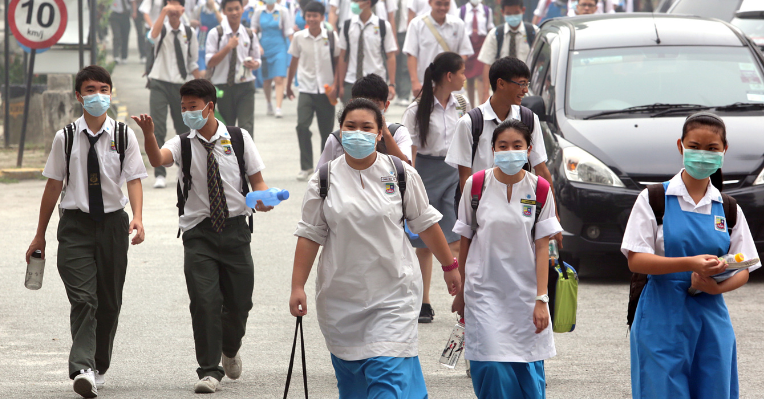
Malaysia already has measures addressing school safety and student welfare. The Education Ministry has conducted nationwide safety audits, strengthened counselling and psychosocial support, expanded CCTV coverage and introduced reporting mechanisms for bullying and other disciplinary problems.
More recently, the ministry issued the Guidelines for Management of Safe Schools in July 2026, alongside a Student Protection Policy.
The challenge, therefore, is not simply to create another set of guidelines. It is to ensure that existing measures operate as a coherent prevention system across schools nationwide.
A national school safety framework should bring together physical security, student welfare, violence prevention, emergency preparedness and institutional accountability under a common set of standards.
Prevention must come before tragedy
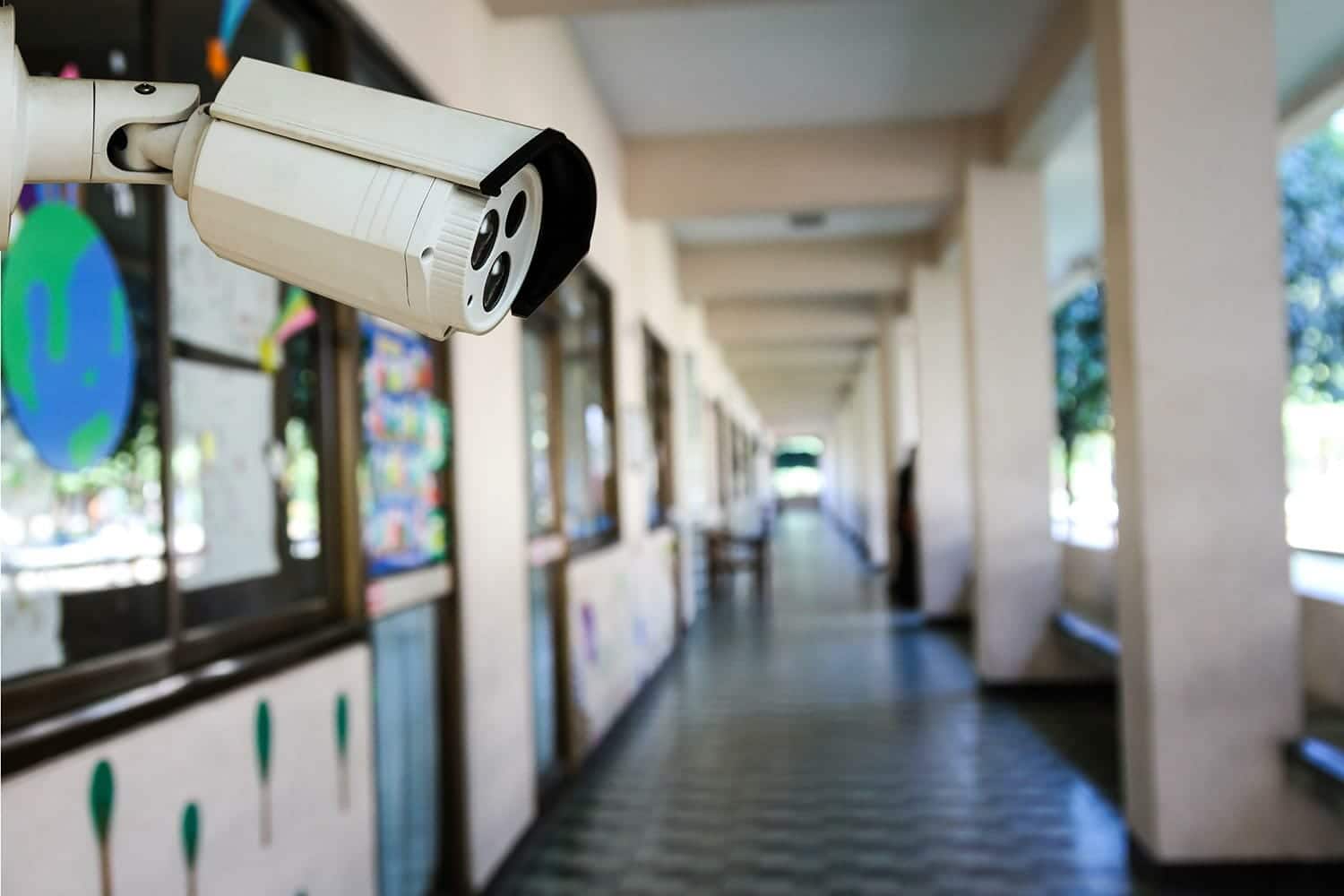
Physical security remains important. Schools need adequate CCTV coverage, controlled access to sensitive areas, appropriate visitor-management procedures and clear emergency protocols.
But security cannot mean turning schools into prisons.
A school filled with gates, guards and cameras may still fail if warning signs are ignored or students are afraid to report threats.
This is where confidential reporting channels become important. Students should have safe and accessible ways to report bullying, threats, harassment or concerns about another student’s behaviour without fearing retaliation or being dismissed.
The need is clear from the scale of the bullying problem. The Education Ministry recorded 7,681 bullying cases nationwide in 2024, the highest figure recorded at the time.
More recently, Prime Minister Datuk Seri Anwar Ibrahim said 5,681 cases were reported between January and August 2026, covering physical, verbal, non-verbal and cyberbullying.
He also warned that the actual figure could be higher because some cases may go unreported.
These numbers should not automatically be interpreted as proof that schools are becoming more violent. Better reporting and awareness can contribute to higher recorded figures. But they do show why reporting systems and early intervention matter.
Assess risks before they become emergencies
Schools also need stronger mechanisms for identifying students who may pose a serious risk to themselves or others.
This does not mean labelling troubled students as dangerous or punishing them for struggling. It means ensuring that teachers, counsellors and administrators know how to recognise warning signs and what to do when concerns arise.
Mental health support must therefore be treated as part of school safety rather than as a separate issue.
Teachers should receive appropriate training in recognising behavioural changes, threats, bullying, self-harm indicators and other warning signs. Counsellors should have clear referral pathways when a student requires professional intervention.
Parents and guardians must also be part of this system.
Digital safety cannot be ignored
Today’s school environment does not stop at the school gate.
Bullying, harassment, threats and harmful content can move between classrooms and digital platforms within seconds. Conflicts that begin online can spill into physical spaces, while online communities can reinforce harmful behaviour.
A national school safety framework should therefore include digital safety and cyberbullying alongside physical security.
Students need practical education on online conduct, privacy, reporting mechanisms and the consequences of threatening or abusive behaviour. Schools also need clear procedures for responding when online incidents affect student safety offline.
Accountability matters

A framework is only useful if someone is responsible for implementing it.
Schools should conduct regular safety and risk assessments, document incidents consistently and review their procedures after serious events. External audits may also be necessary for high-risk areas.
The recent revelation that CCTV cameras at the Yong Peng school did not cover the location where Irene was killed illustrates why security measures need to be assessed according to actual risk rather than simply whether equipment exists.
The question should not be, “Does this school have CCTV?”
It should be, “Does the school’s safety system adequately protect students in the places and circumstances where risks are most likely to arise?”
Malaysia does not need to turn schools into fortresses.
It needs schools where students can learn without fear, teachers know how to respond to emerging risks, parents know where to seek help and serious warning signs are not overlooked.
The real measure of a school safety system should not be how effectively authorities respond after a student has been harmed.
It should be how effectively the system prevents the next tragedy from happening.
R. Paneir Selvam is Principal Consultant at Arunachala Research & Consultancy Sdn Bhd (ARRESCON), a think tank specialising in strategic national and geopolitical analysis.
The views expressed are solely of the author and do not necessarily reflect those of MMktT
- Focus Malaysia.

No comments:
Post a Comment
Note: Only a member of this blog may post a comment.