


FROM 2020 through 2025, global terrorism has repeatedly demonstrated that periods of celebration whether religious holidays, New Year’s festivities, or crowded cultural events remain attractive targets for violent actors seeking maximum psychological impact.
Indeed, the strategic logic of terrorism increasingly exploits not only symbolic dates but also high-density public spaces where disruption can amplify fear far beyond the immediate victims.
This evolving threat environment holds stark lessons for nations like Malaysia, which must balance open civic life with the imperative of public safety.
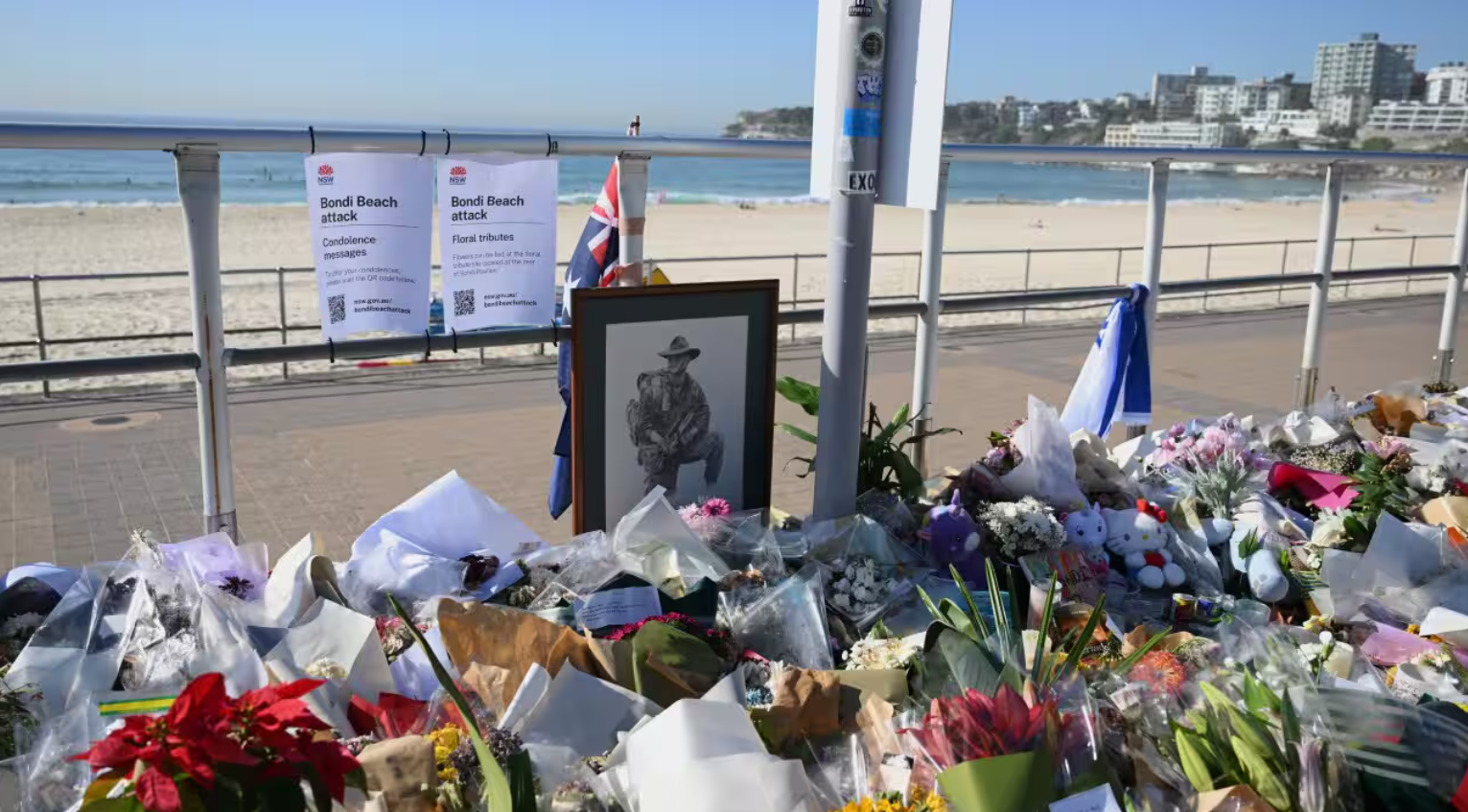
A series of high-profile incidents highlights the ongoing and varied nature of the threat. In late 2025, an attack at a Hanukkah celebration on Sydney’s Bondi Beach left at least 16 people dead and many others injured, showing how violence can reach even public, family-oriented events despite prior security warnings that proved insufficient.
Earlier in 2025, American authorities were confronted with a deadly vehicle-ramming attack in New Orleans’ French Quarter on New Year’s Day, in which a driver flying an ISIS flag killed 15 people amid holiday crowds before being killed in a police shootout.
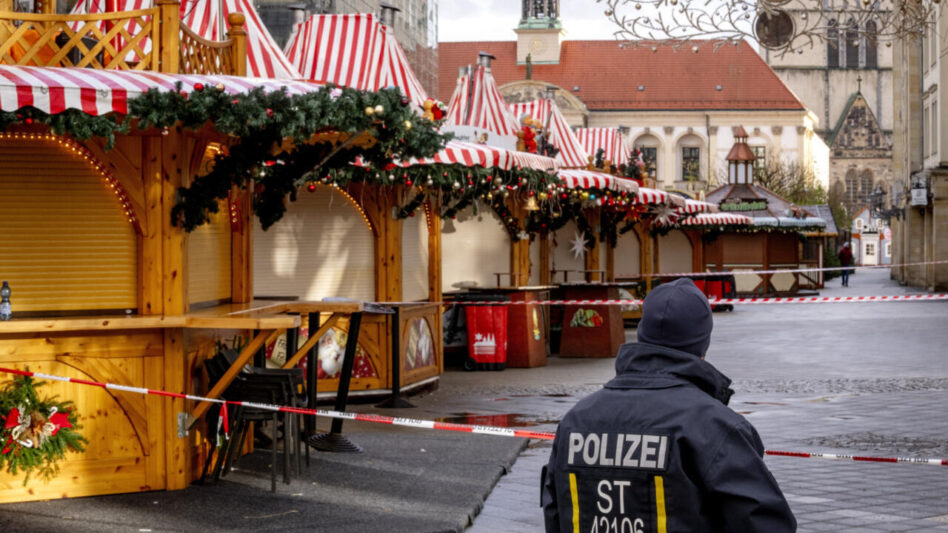
These vehicle attacks straightforward in execution but devastating in impact reflect wider global trends, including attempted assaults on Christmas markets in Germany and other European cities, as well as the arrests of suspected plotters aiming to target holiday events.
These contemporary cases are part of a wider continuum. In March 2024, a coordinated assault at Crocus City Hall in Russia—a concert venue filled with civilians resulted in at least 149 deaths and more than 600 injuries.
Although it falls outside the 2020–2025 period, the 2020 attack in Vienna’s city centre where a gunman opened fire on civilians in a busy area serves as a stark reminder of how low-tech violence in crowded urban spaces can deeply undermine public confidence.
Even outside explicitly religious holidays, events tied to communal gathering, such as festivals and markets, attract both inspired and directed extremist attacks around the world.
Compounding the tragedy is the role of plots that are detected and disrupted before they are carried out.
Turkish authorities’ 2025 arrests of more than 100 suspected Islamic State members allegedly planning attacks on Christmas and New Year celebrations highlight that threats often extend beyond realised violence; they permeate planning cycles, exploit symbolic dates, and force states to mobilise resources in anticipation of possible strikes.
These incidents reveal several dynamics. First, the diversity of perpetrators from foreign terrorist fighters pledging allegiance to international organisations, to self-radicalised individuals with local grievances—defies monolithic threat models.
Second, the choice of festive periods and crowded public spaces is deliberate: terrorists aim not only for casualties but for the amplification of fear, media attention, and societal disruption.
Third, pre-attack warnings and intelligence successes underscore the critical role of proactive counterterror efforts, yet also the limits of detection in an age of decentralised, networked radicalisation.
For Malaysia, which prides itself on multicultural harmony and vibrant public life, this pattern demands serious introspection and strategic adaptation. Key public spaces are especially pertinent:
Airports, train stations, and bus terminals are lifelines of urban and intercity mobility, but also magnets for high-profile attacks. Malaysia’s rail and air networks should integrate layered security from advanced surveillance analytics and automated threat detection to behavioural profiling and rapid response teams.
Equally important is resilient architecture: physical barriers, controlled access points, and redundant communication systems reduce both the likelihood and impact of attacks.
These commercial hubs draw local and tourist crowds, especially during festive seasons. International experience shows that even basic attacks (vehicle ramming, stabbings, or small arms assaults) can overwhelm unprepared security.
Malaysia could require standardised risk assessments for malls, enforce security protocols for large events, and enhance coordination between private security and national counterterror agencies.

Equipping staff with crisis response training and establishing clear evacuation plans are practical, yet often overlooked, layers of resilience.
Attacks on worshippers not only cause physical harm but also inflame communal tensions. The Bondi Beach shooting targeting a religious celebration illustrates how extremist violence can intersect with hatred against specific communities.
In Malaysia’s pluralistic context, protective strategies should emphasize community engagement: regular dialogue between religious leaders and law enforcement, discreet security during major festivals, and community reporting mechanisms that respect civil liberties while improving situational awareness.
Large spectator venues concentrate tens of thousands of people and feature complex ingress and egress patterns. Effective security here must blend technology (screening scanners, drones, AI-assisted monitoring) with crowd management protocols capable of rapid detection and mitigation without inducing panic.
Across all domains, Malaysia must resist the temptation to equate visibility with effectiveness. Over-securitisation like shuttering celebrations entirely would hand extremists a psychological victory and undermine public confidence.
Instead, intelligence-led, community-embedded strategies that preserve openness while enhancing preparedness are essential. Public awareness campaigns, clear communication about threat levels, and involvement of civil society in resilience planning contribute to a culture of vigilance without fear.
The global record from 2020 to 2025 makes a stark point: terrorism adapts, exploiting symbolic timing and crowd psychology to project disproportionate influence.
Malaysia’s challenge is to adopt a similarly adaptive posture harnessing technology, community networks, and strategic foresight to protect public life without diminishing its vibrancy.
In the end, safeguarding public spaces during periods of celebration is not a concession to fear, but a commitment to ensuring that shared joy remains possible and secure for all.
R Paneir Selvam is the principal consultant of Arunachala Research & Consultancy Sdn Bhd (ARRESCON), a think tank specialising in strategic national and geopolitical matters.
The views expressed are solely of the author and do not necessarily reflect those of MMKtT.
- Focus Malaysia.

No comments:
Post a Comment
Note: Only a member of this blog may post a comment.