


Sabah exposed the weakness. Johor turned it into a crisis. Negeri Sembilan made it a pattern. On the current trajectory, Malacca and Sarawak are more likely to deepen the damage than reverse it.
Yet, for PKR and Prime Minister Anwar Ibrahim, the state that should cause the greatest concern is Selangor. No early state election has been announced, and there is no certainty that one will be called soon, but politically the struggle for Selangor has already begun.
Penang remains DAP’s strongest base, while Selangor is the foundation of PKR’s strength. After losing ground in several states, a serious decline in Selangor would carry far greater consequences. It would raise difficult questions about PKR’s role as Pakatan Harapan’s multiracial centre and whether it can still retain meaningful support among Malay voters.
Negeri Sembilan was more than a defeat. It was an embarrassment for Harapan. The losses suffered by Aminuddin Harun in Linggi and Anthony Loke in Chennah exposed how badly the ground had shifted against the party.
These were not unknown candidates contesting marginal seats. They were senior leaders expected to carry Harapan’s campaign and project confidence. Instead, their defeats became symbols of a political movement that had misread the mood on the ground.
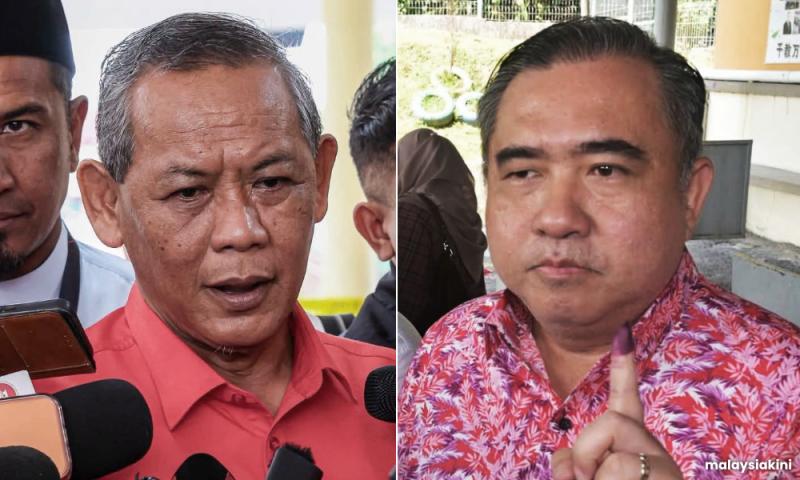
Harapan entered Negeri Sembilan with incumbency and federal power, yet still failed to retain the state. After Johor, Negeri Sembilan should have been the place where Harapan stopped the decline.
The next major prize for both Perikatan Nasional and BN is obvious: Selangor. Even if they continue contesting separately, both have every reason to test Harapan in the state that matters most to PKR.
PN will seek to expand its appeal among Malay voters, while BN will try to present itself as the more stable and experienced alternative. Both will also benefit if frustration continues growing among middle-income and non-Malay voters.
Whether enough urban Malays will resist that pressure remains uncertain. The same applies to non-Malay voters. Harapan can still recover, but it should stop assuming that either group has nowhere else to go.
Political momentum
During the Johor campaign, political momentum was already slipping away. Harapan appeared uncertain, defensive and unable to control the direction of the contest. Once that happens, every election becomes harder. Opponents gain confidence, party workers lose morale, and undecided voters begin to believe that further decline is inevitable.
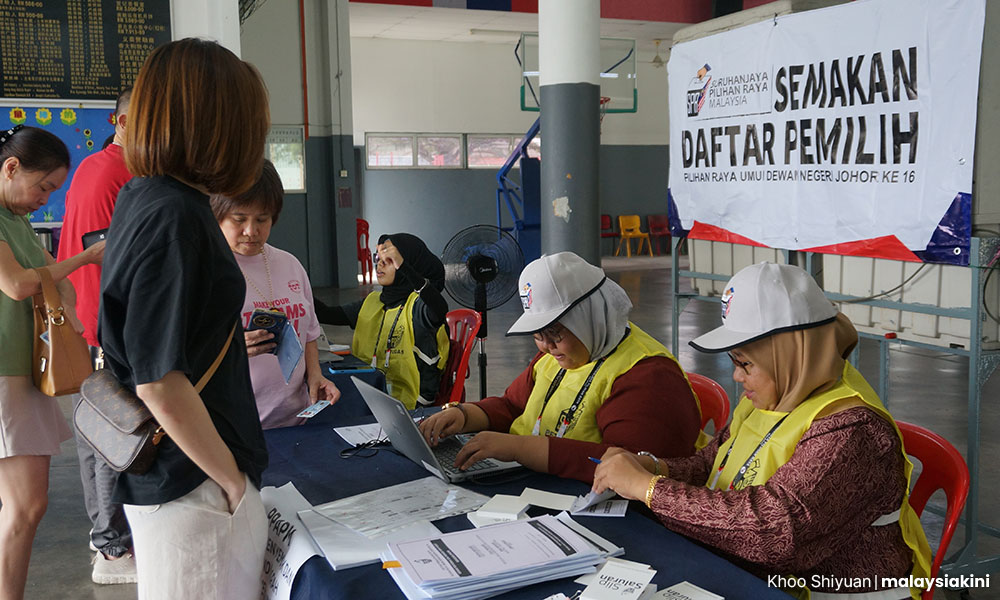
That psychological effect matters. Preparing for a general election becomes much more difficult when members, volunteers and local leaders are forced to enter every contest carrying the weight of previous defeats. Political machinery does not survive on instructions alone. It also depends on belief.
There is now constant speculation about the future of the unity government formed after the 2022 general election. Some claim BN may eventually withdraw from Putrajaya. Others believe BN, Gabungan Parti Sarawak (GPS) and Gabungan Rakyat Sabah (GRS) could apply greater pressure on Anwar if Harapan continues weakening.
There is also loose talk of other states, including Pahang, considering early polls to extend the pressure, although no firm basis has been established. Most of these claims remain speculation.
What is not speculation is that every Harapan defeat strengthens BN’s bargaining position inside the federal government. If BN becomes convinced that Harapan depends on it more than it depends on Harapan, even preparations for Budget 2027 could become more politically complicated.
Harapan must prepare for difficult contests in both Malacca and Sarawak. The blunt assessment is that Harapan is heading towards defeat in Malacca and another damaging result in Sarawak unless there is a sharp change in direction.
Malacca remains difficult terrain, while Sarawak presents an even greater challenge because local parties continue to dominate the political landscape.
Further setbacks in either state would deepen the perception that Harapan is losing ground nationally. Selangor, however, carries a different level of importance. It is not simply another state under Harapan administration.
It’s the centre of PKR’s political strength and the clearest remaining test of whether Harapan can continue attracting meaningful Malay support while preserving its multiracial base.
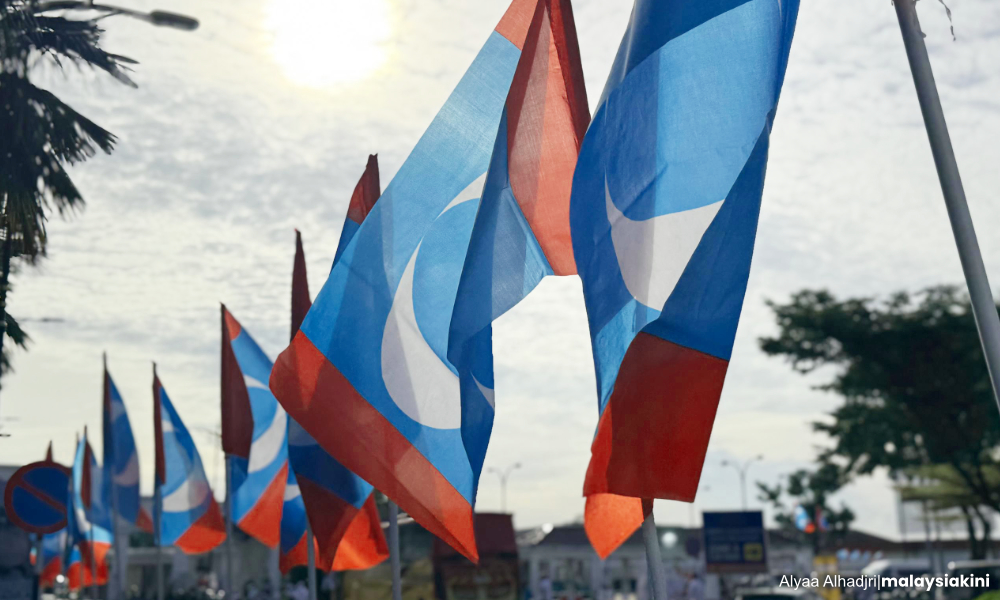
A serious decline there would not merely add another loss. It would force PKR and Harapan to confront much larger questions about their political future and national direction.
The more important question is why Harapan keeps losing support. Malay political consolidation behind PN and BN is part of the answer, but it is not the whole answer. Blaming every setback on race allows Harapan to avoid confronting the effect of its own policies.
Govt policies
Many voters are not rejecting Harapan solely because of ethnic sentiment. They are angry because they feel the federal government has become unpredictable, bureaucratic and increasingly insensitive to the pressures faced by the middle class and small businesses.
The M40 formed an important part of Harapan’s support for years, yet many now feel they are being asked to carry more of the burden while receiving less attention from the government. Policies may be announced with good intentions, but their implementation often creates confusion, additional costs and resentment.
The diesel subsidy system is one example. When eligibility was expanded to privately classified jeeps and pick-up trucks used for business, many assumed that company-owned vehicles would finally be included.

The latest conditions, however, limit this category to businesses registered as sole proprietorships or partnerships. A private limited company using the same type of vehicle for the same daily operations remains ineligible.
This creates an obvious question for SME owners: why should the legal structure of a business determine whether it receives assistance when the vehicle, purpose and operating costs are effectively the same?
An enterprise may qualify while a Sdn Bhd carrying out similar work is excluded. It is precisely this kind of distinction that makes government policy appear inconsistent and detached from how businesses function.
The same criticism applies to e-Invoice. The government views it as a necessary step towards better tax administration, but many SMEs experience it as more paperwork, more compliance, additional software costs and more time spent on administration instead of running their businesses.
Dividend tax and capital gains tax on the disposal of unlisted shares by companies have also added to concerns about a widening tax burden. CP500 requires taxpayers with business income to make instalment payments based on estimated tax before the final liability for the year is known.

None of these mechanisms is without justification, but together they can squeeze cash flow and deepen the sense among business owners that their practical concerns are secondary. A policy can look reasonable on a presentation slide and still feel punishing on the ground.
Transport policy has created another layer of frustration. Thousands of Malaysians entered e-hailing because it offered flexible part-time income. Over time, inspections, permits and additional compliance requirements made the work more complicated.
Regulation may be justified in the name of safety and professionalism, but politics is not judged only by policy intention. It is also judged by how those policies are experienced.
Harapan cannot assume that dissatisfaction within a large group of drivers carries no electoral consequences. Even a fraction of that workforce could influence closely contested urban and semi-urban seats.
There’s still time
This is why Harapan’s defeats cannot be explained only through Malay political consolidation. Federal policies matter. Cost of living matters. Business confidence matters. Administrative burden matters.
A government that ignores these concerns will eventually discover that dissatisfaction cuts across race. Harapan now risks repeating the same behaviour it once condemned in BN. Before 2018, many political leaders believed public anger could be managed, explained away or dismissed.
They underestimated how quickly smaller grievances could combine into a wider rejection of the government. Harapan should be careful not to make the same mistake from the other side of Putrajaya.
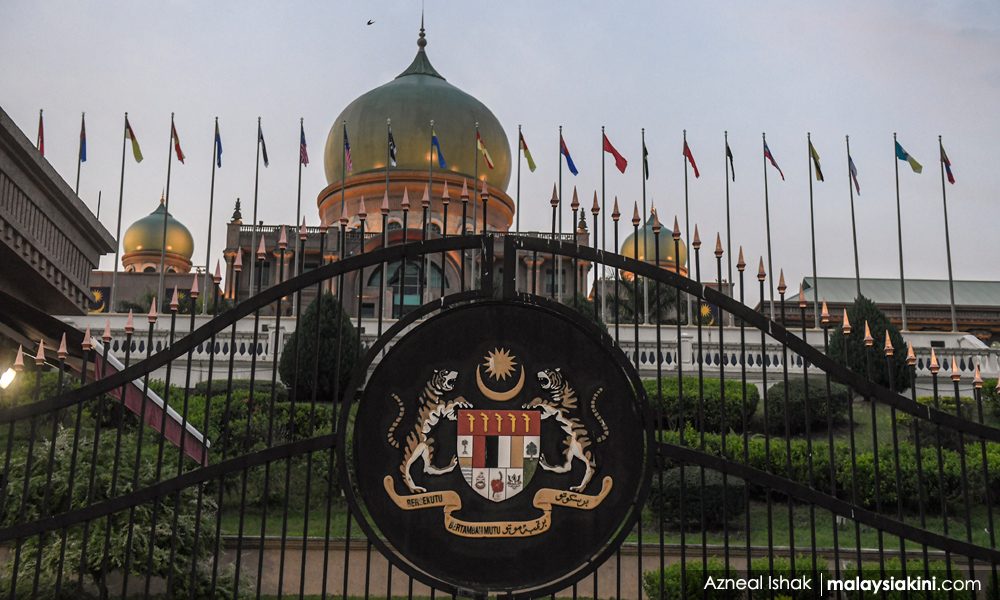
The public is not required to remain grateful to any political party. Voters are the employers, while politicians are temporary employees entrusted with power. Malaysia has become more willing to change governments, and five years is more than enough time for voters to decide whether those they hired are performing.
There is still time for Harapan to respond, but the window is narrowing. Harapan must remain calm, avoid panic and stop treating every criticism as an attack. It should review policies that are hurting the middle class, listen seriously to SMEs and reduce the impression that government decisions are made without understanding their consequences.
The fight for Selangor does not begin when the state assembly is dissolved. It begins now. Harapan may lose in Malacca and struggle badly in Sarawak. Those results will hurt, but they do not have to determine its future.
Selangor is different. If PKR protects it, the party still has a foundation from which to rebuild. If Selangor slips, there may be no genuinely safe ground left for PKR before the next general election.
At that point, the story will no longer be about Harapan losing a few states. It will be about how a political movement that once represented hope allowed itself to become hopeless. - Mkini
MAHATHIR MOHD RAIS is a former Federal Territories Bersatu and Perikatan Nasional secretary. He is now a PKR member.
The views expressed here are those of the author/contributor and do not necessarily represent the views of MMKtT.

No comments:
Post a Comment
Note: Only a member of this blog may post a comment.