


In part one ‘The Look East Policy failed, time to focus on India’, we examined the shortcomings of the 80s policy.
Part two will look into India’s economic growth and the potential for trade and investment opportunities.
The following outlines several compelling reasons for Malaysia to consider shifting its focus towards India as a primary trading partner.
Accelerated economic expansion
India ranks among the fastest-growing major economies globally. The International Monetary Fund (IMF) forecasts that India’s gross domestic product (GDP) will increase by over six percent annually in the forthcoming years, positioning it as a significant contributor to global economic growth.
The rise of India’s middle class and ongoing urbanisation create extensive new markets for Malaysian exports, particularly in areas such as consumer products, infrastructure, technology, and education.
Additionally, India’s strategic location in the Indian Ocean holds considerable importance for Malaysia’s trade routes.
Strengthening economic ties with India could bolster Malaysia’s influence in the region and mitigate its reliance on traditional partners such as Japan and China.
Furthermore, India’s trade agreements with various nations, including those within the Regional Comprehensive Economic Partnership, would grant Malaysia access to wider regional markets, thereby enhancing economic collaboration.
Technology and innovation collaboration
India has achieved remarkable progress in technological innovation, especially within the domains of information technology, pharmaceuticals, and biotechnology.
The expansion of India's Information Technology sector presents an opportunity for Malaysia to tap into India's proficiency in IT services, software development, and digital infrastructure.

Malaysia could utilise India's experience in fostering an innovation-driven economy to bolster its own technological and innovative capacities.
Additionally, India's rapidly growing start-up ecosystem, particularly in Bengaluru, has fostered a vibrant atmosphere for entrepreneurs and innovators.
By collaborating with India, Malaysia could gain insights into India's start-up culture and incorporate advanced technologies into its own industrial sectors.
Trade and investment opportunities
India and Malaysia have established robust economic connections, with bilateral trade exceeding US$8 billion (RM35 billion) in 2022.
Nevertheless, this amount remains significantly lower than the potential that exists, particularly when taking into account the extensive and varied nature of India's economy.
By prioritising the enhancement of these trade relations, Malaysia stands to gain access to India's expansive domestic market, especially in key areas such as agriculture, manufacturing, and services.
Additionally, India's rapidly growing infrastructure initiatives, along with its "Make in India" campaign, present opportunities for Malaysian enterprises to engage in significant projects across sectors including construction, renewable energy, and transportation.
Miceca
The Malaysia-India Comprehensive Economic Cooperation Agreement (Miceca) represents a pivotal trade and economic framework aimed at bolstering the bilateral relationship between Malaysia and India.
Established in 2011, Miceca was formulated to broaden and diversify the economic connections between the two nations, thereby enhancing trade, investment, and collaboration across various sectors.
This agreement encompasses the liberalisation of trade in both goods and services, with the objective of diminishing tariffs and other trade impediments.
Miceca aspires to render trade between Malaysia and India more efficient and economically viable. It also seeks to amplify investments between the two countries, particularly in key areas such as manufacturing, infrastructure, information technology, and services.
By fostering a more conducive business environment, the agreement encourages reciprocal investments.
Furthermore, Miceca includes provisions for strengthened cooperation in sectors such as finance, information technology, telecommunications, and education, with both nations aiming to exchange expertise and innovations to stimulate growth in these domains.
The scope of Miceca extends beyond mere trade, incorporating various dimensions of economic collaboration, including joint ventures, research and development initiatives, and partnerships in sectors like energy, agriculture, and tourism.

Additionally, the agreement outlines mechanisms for resolving disputes that may arise during its implementation, thereby providing a structured approach for both countries to address potential conflicts.
The primary objective of Miceca is to enhance bilateral trade and economic interactions, improve connectivity, and create opportunities for businesses and investors in both nations.
This initiative aligns with the broader economic and strategic goals of Malaysia and India to strengthen their ties within the Asia-Pacific region.
Since its inception, Miceca has contributed to an increase in trade volume and business engagements between Malaysia and India, underscoring the growing significance of both countries in the global economic landscape.
A young, skilled workforce
India boasts one of the largest and youngest labour forces globally, characterised by a median age of merely 28 years.
This demographic advantage presents Malaysia with a significant opportunity to tap into a substantial workforce and engage in collaborative ventures that emphasise shared knowledge and the development of human capital.
The youthful population in India is not only vast but also increasingly educated and tech-savvy, making it an attractive source of talent for countries like Malaysia that are looking to bolster their own labour market.
By partnering with India, Malaysia can leverage this demographic dividend to address its own challenges related to labour shortages and skill deficiencies, particularly in high-demand sectors such as technology, engineering, and digital services.
Collaborative initiatives could take various forms, including joint educational programmes, exchange of best practices in vocational training, and internships that allow Malaysian students and professionals to gain experience in Indian industries.
Such partnerships could also involve the establishment of training centres in Malaysia, where Indian experts could provide instruction and mentorship, thereby enhancing the skill sets of the local workforce.
By investing in human capital development, Malaysia can create a more competitive workforce that is better equipped to meet the demands of a rapidly evolving global economy.
This, in turn, could attract foreign investment and stimulate job creation, further enhancing the economic landscape.
By focusing on education, training, and workforce enhancement, Malaysia can effectively tackle its labour market challenges while simultaneously fostering a mutually beneficial relationship that promotes innovation, economic growth, and shared prosperity.
Time for strategic shift
The Look East Policy initially benefited Malaysia; however, its efficacy has diminished in light of evolving global economic and geopolitical dynamics.
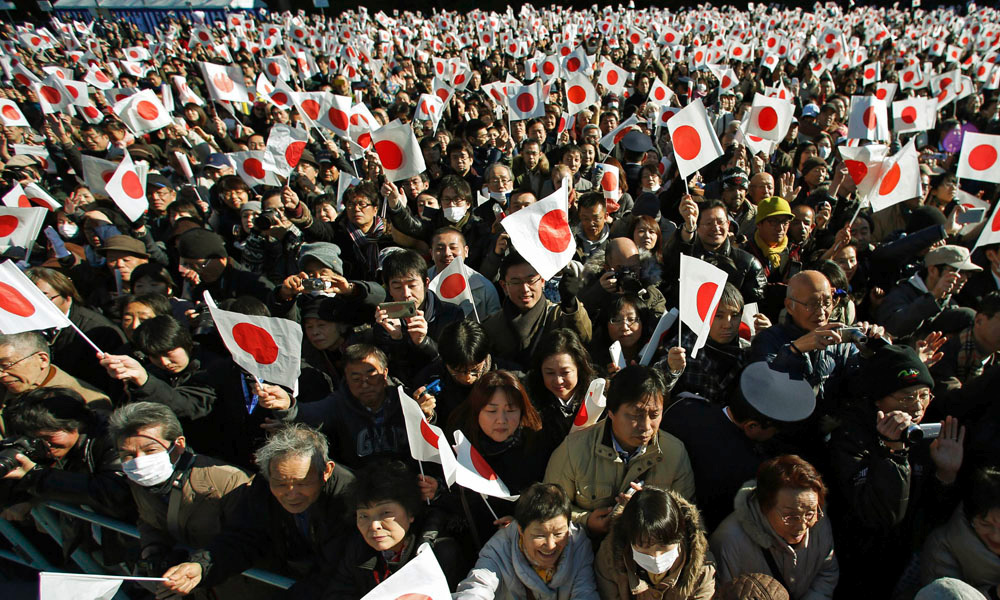
Malaysia's ongoing dependence on Japan and South Korea, alongside stagnant trade and restricted technological exchange, indicates a necessity for a strategic shift.
India presents a promising alternative for Malaysia, characterised by its swift economic advancement, technological progress, and advantageous geographic position.
By redirecting its focus towards India, Malaysia could tap into emerging growth markets, improve its technological expertise, and broaden its economic alliances, thereby fostering a more robust and sustainable future. - Mkini
R PANEIR SELVAM is the principal consultant of Arunachala Research & Consultancy Sdn Bhd, a think tank specialising in strategic national and geo-political matters.
The views expressed here are those of the author/contributor and do not necessarily represent the views of MMKtT.

No comments:
Post a Comment
Note: Only a member of this blog may post a comment.