


INTERVIEW | Negeri Sembilan’s Undang Yang Empat’s move to depose Tuanku Muhriz Tuanku Munawir as Yang di-Pertuan Besar is valid, opined former menteri besar Rais Yatim.
However, Rais, who is also a scholar of adat perpatih - the Minangkabau customary law - suggested that the royal crisis be resolved amicably so as not to tarnish the customs and the names of any quarter.
He explained that the chieftains or undangs of Sungai Ujong, Jelebu, Rembau, and Johol - who hold the power to appoint the Yang di-Pertuan Besar - also have the right to depose the state ruler under Article 10 of the Negeri Sembilan Constitution.
He noted that the four undang must meet two conditions: first, there must be a complete report; second, the alleged offences must be listed.
“After that, the document can be sealed, and the customary narrative carried out, and at the bottom, the menteri besar must sign as a witness.
“If the menteri besar refuses to sign as a witness, he may be considered negligent in fulfilling the Negeri Sembilan Constitution.
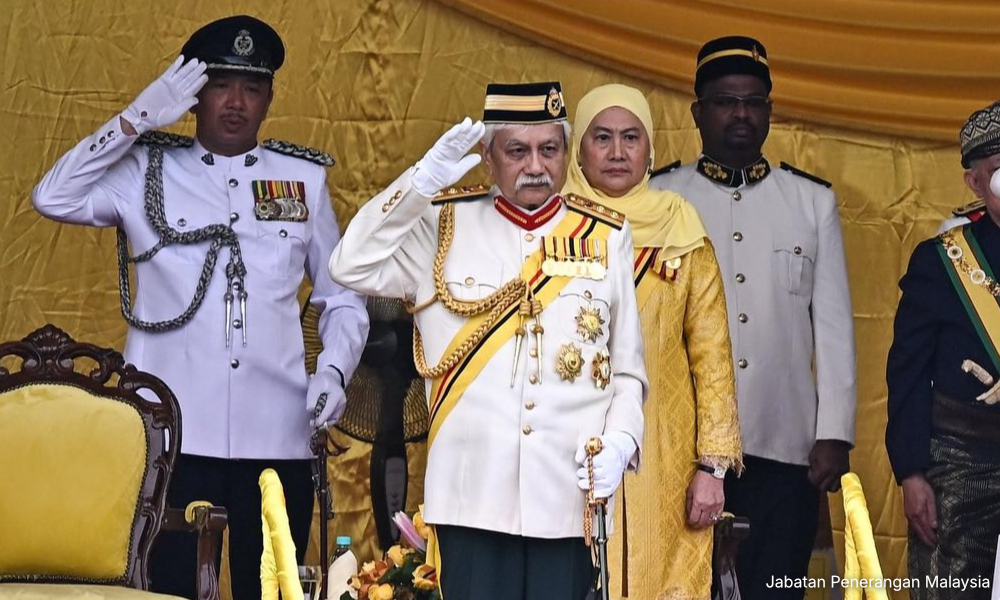
“The Yang di-Pertuan Besar cannot exist without the Undang Yang Empat. If they no longer support the Yang di-Pertuan Besar due to any wrongdoing or matters that affect reputation, the execution of duties, or customs, then the Yang di-Pertuan Besar may be deposed by the Undang Yang Empat (with those two conditions),” he said in an interview with Malaysiakini in Kuala Lumpur yesterday.
The clash between the Undang Yang Empat and Tuanku Muhriz erupted on April 17 when the Negeri Sembilan Council of the Yang di-Pertuan Besar and the Ruling Chiefs (Dewan Keadilan dan Undang) was reported to have accepted a decision by Sungai Ujong nobles to sack its undang Mubarak Thahak over purported transgressions.
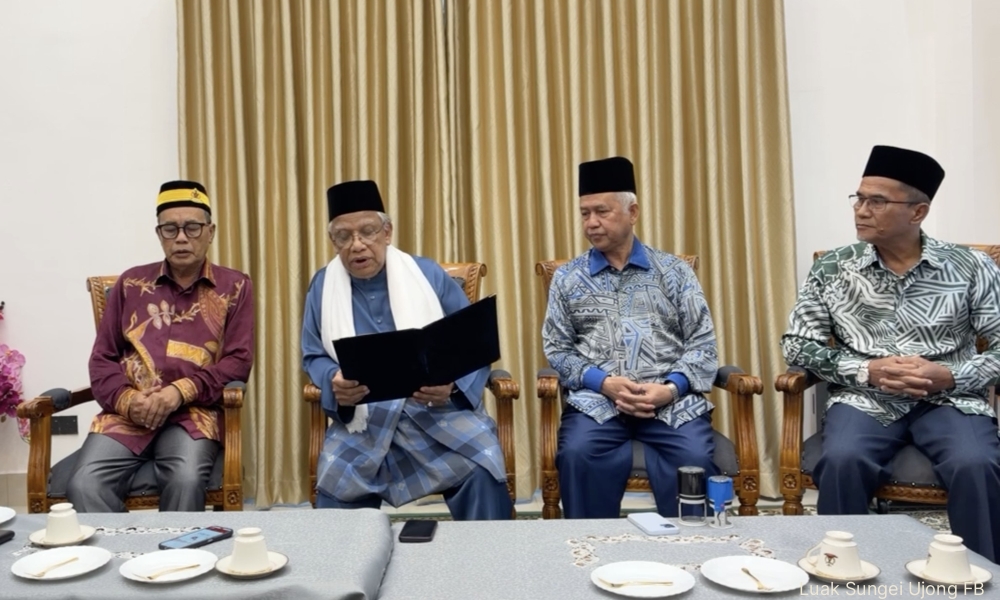
Mubarak and the other three undangs - Maarof Mat Rashad (Jelebu), Muhammad Abdullah (Johol), and Abdul Rahim Yasin (Rembau) - then retaliated on April 19 by declaring that Tuanku Muhriz was deposed and naming Tunku Nadzaruddin Tuanku Ja’afar as his replacement.
This was after they allegedly launched their own investigation into Tuanku Muhriz on March 5 for alleged transgressions in his royal duties. They deemed the unspecified transgressions to have been committed deliberately, thus besmirching the royal institution.
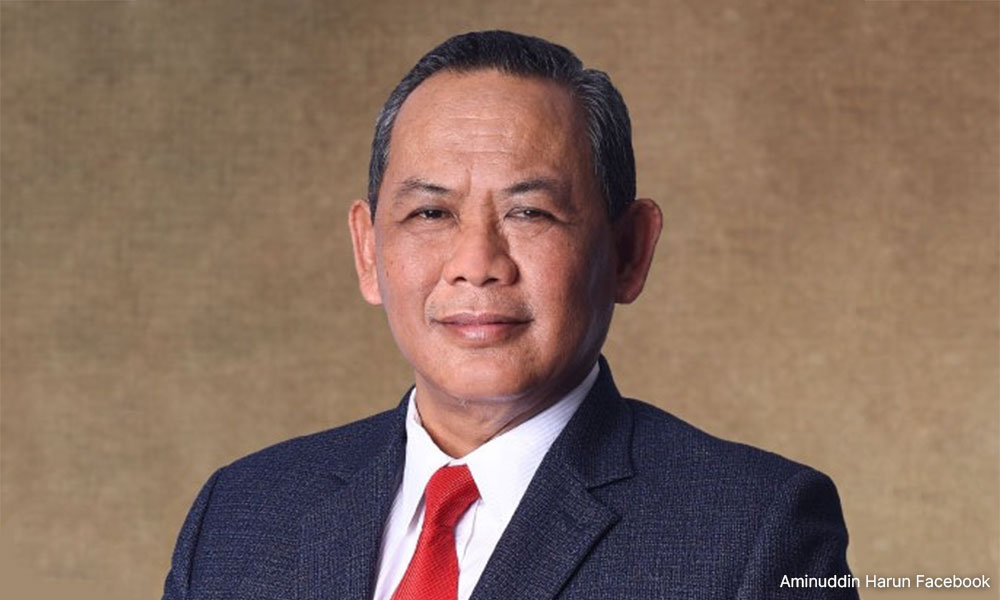
However, Menteri Besar Aminuddin Harun said the chieftains’ proclamation was invalid, due to Mubarak being sacked earlier.
The Negeri Sembilan state constitution, however, states that a decision can be made by at least three undangs, or by however many are alive at the time of the decision.
Call for dialogue and review
Rais said that while the decision by the undangs was valid, he nevertheless recommended that the Negeri Sembilan state administration return to the root of the issue.
The Bersatu leader also called on all parties to review the next steps after the Undang Yang Empat announced the deposition of the ruler and named his successor.
“This is the right of the Undang Yang Empat; we will not interfere in that matter. The menteri besar, whether he likes it or not, given that the meeting fulfilled the requirements of Article 10(i) and (ii), must act as a witness to the document, which is mandatory.
“That document is constitutional and cannot be taken lightly. With such a decision, it is hoped that those administering the Negeri Sembilan government will return to the starting point and review what needs to be done.
“In adat, there is also ‘sorong parang, tarik parang’ (pushing a blade forward, pulling a blade back, meaning mutual provocation), but something that has been sliced can be rejoined based on the will of the majority among the Undang Yang Empat, and the royal parties can reach a consensus again.
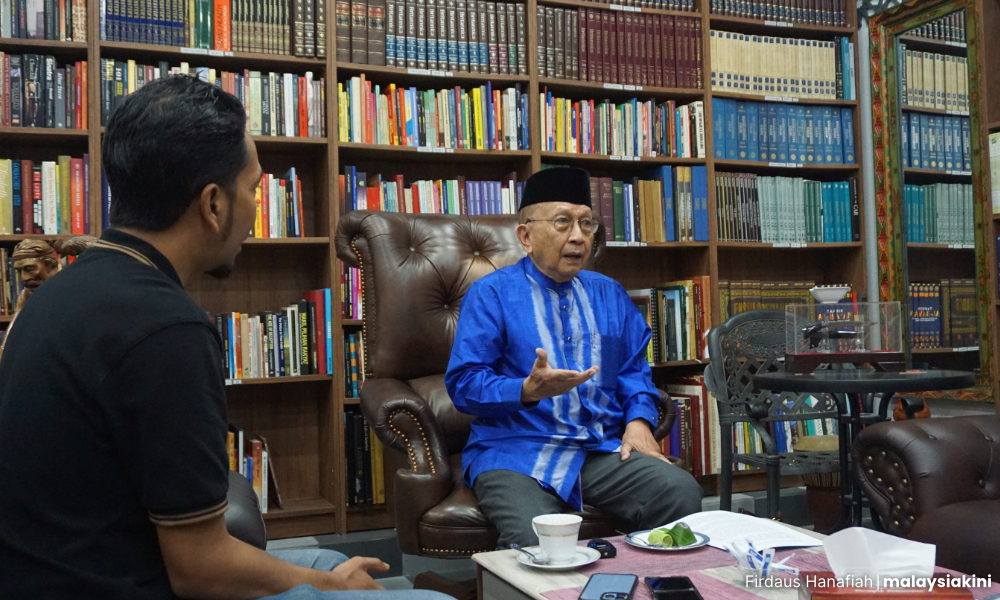
“This should not be done as a ‘one cut and finished’ action, because ‘flowing water cannot be severed by cutting’, so find a way to return to the council, gather all the undang, and discuss it there amicably as required by adat so that what has happened can be softened and resolved.
“This is my suggestion if we want to restore the dignity of adat; otherwise, Article 10 will proceed, and the names involved will be tarnished,” he said.
Required conditions not met
Rais, who was the Negeri Sembilan menteri besar from 1978 to 1982, also opined that Mubarak’s dismissal as undang was invalid.
This is because, according to him, the views expressed by the members of the Negeri Sembilan Council of the Yang di-Pertuan Besar and the Ruling Chiefs were not adopted; instead, the decree or speech of the Yang di-Pertuan Besar was directly interpreted by the menteri besar as a final decision.
“I say that the decision is not final and not valid due to the absence of sufficient conditions. First, the views of those present, such as the Tunku Besar of Tampin, the Datuk Syahbandar of Sungai Ujong, and the Undang of Johol, were not accepted.
“The three of them objected and advised not to dismiss (Mubarak) yet because the authority body in Sungai Ujong had not made a decision; only one segment, known as Ibu Soko, made the decision.
“The customary authorities in all luak (districts) are the datuk lembaga who appoint an undang according to lineage, conditions, and the rights of each perut (subclan).
“Therefore, when the menteri besar directly interpreted the speech and wishes of the council’s chair, namely the Yang di-Pertuan Besar, as final and announced the termination of the undang of Sungai Ujong, it was in fact a dismissal, and such a dismissal cannot be made by the council,” Rais said.
He said the Council of the Yang di-Pertuan Besar and the Ruling Chiefs is only an advisory body, and that any decision to depose an undang must come from within the chieftain’s district.
Rais added that the council has no authority whatsoever to dismiss any of the Undang Yang Empat; they can only be removed or appointed under Article 14 of the state constitution.
“The question here is why the menteri besar interpreted the meeting decree as final. Another factor is that a meeting is not valid until it is confirmed at the next meeting.
“So before the next meeting, the other undang must attend; a decision has been made. In other words, the decree of the Yang di-Pertuan Besar at the council meeting on April 17 remains pending until the next meeting - only then can it be finalised,” he said.
Possible escalation to court
Rais also emphasised the practice in Negeri Sembilan, which has two hierarchies: the Yang di-Pertuan Besar as the reigning ruler, alongside the Undang Yang Empat, who cannot be sidelined.
“Their (the undangs’) views must be consulted in any decision; thus, there are two royal segments,” he added.
Rais - who has been studying adat perpatih since 1963 - described the dispute as one of the most difficult constitutional crises in Negeri Sembilan and an unfortunate development.
“This is because adat itself is a source of peace, beauty of language, harmony, courtesy, and so on.
“But when disputes involve practitioners of adat, government authorities, the Yang di-Pertuan Besar, and co-rulers among the Undang Yang Empat, confusion arises as each uses their power and position without referring to what should actually be done under the law and customary practice,” he said.
When asked how far the Negeri Sembilan royal crisis might reach before a resolution, Rais expected the conflict might end up in court.
“I think it will reach (the courts). There may be parts the court rejects and parts it allows. But before that, I hope the council and the Undang Yang Empat play their roles, and that role can actually be advised by the menteri besar.
“Right now, he (Aminuddin) is seen as taking sides, appearing to favour the royal party (the Yang di-Pertuan Besar). So now he must appear fair. That is up to the menteri besar; I have carried that burden before - it is not easy,” he said. - Mkini

No comments:
Post a Comment
Note: Only a member of this blog may post a comment.