


Analysts expect PH to retain seats won comfortably in 2023, but say Umno may struggle to defend its constituencies due to their slim victory margins.

Syaza Shukri of the International Islamic University Malaysia said Umno appeared more exposed than its unity government partner, Pakatan Harapan, due to stiff competition faced from Perikatan Nasional previously.
“Umno is the one in trouble. Their majorities are small because they had to compete with PN for Malay votes,” she told FMT.
In contrast, Syaza said PH was better positioned to defend most of the seats it won at the state election three years ago. “Most of the seats that PH won in 2023 were secured with big majorities, especially by DAP.”
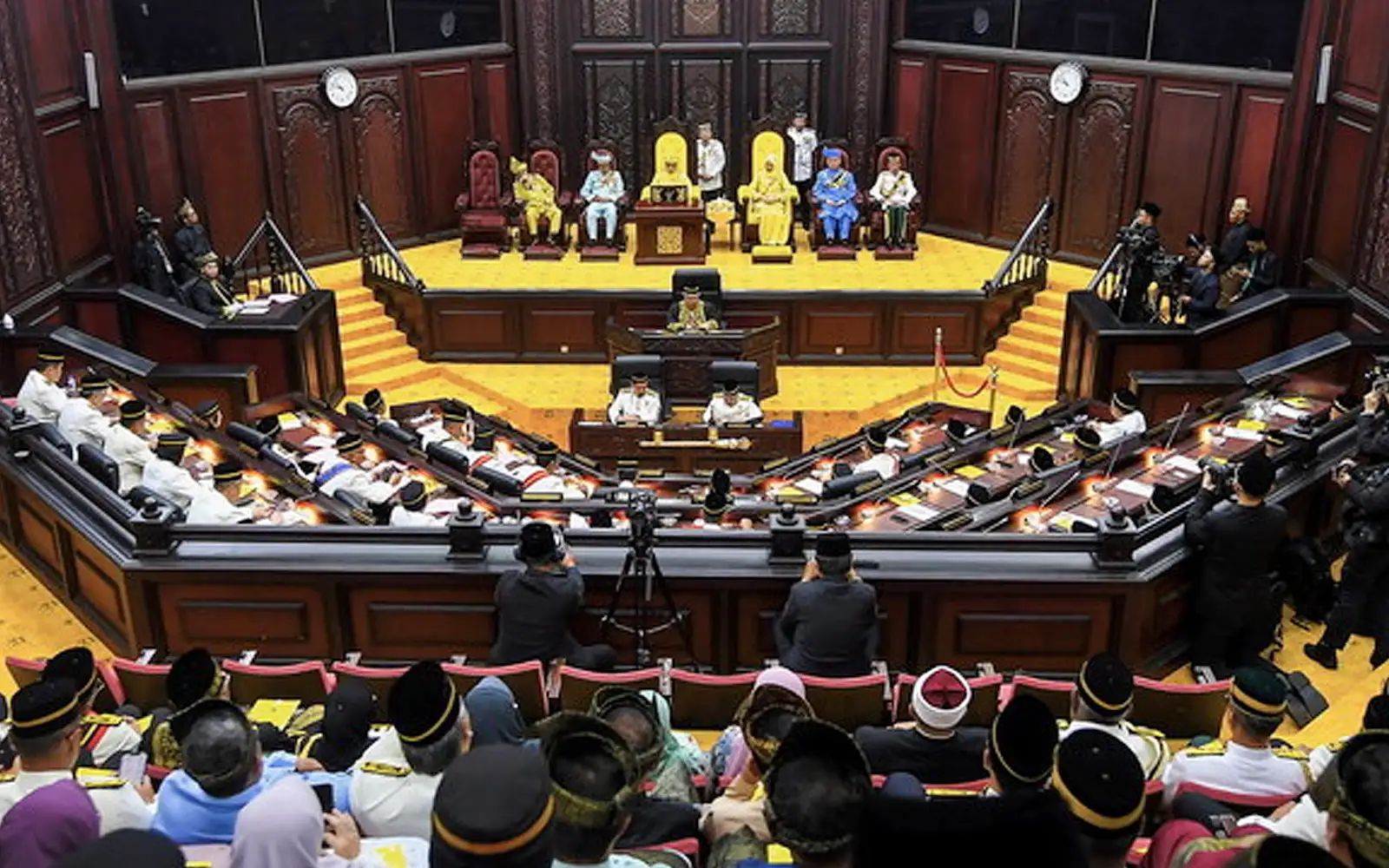
The Negeri Sembilan assembly was dissolved last Friday after Umno assemblymen withdrew support for menteri besar Aminuddin Harun over his handling of a royal dispute involving four chieftains seeking to remove Tuanku Muhriz Tuanku Munawir as Yang di‑Pertuan Besar.
On June 9, Umno president Ahmad Zahid Hamidi said Barisan Nasional will contest the Negeri Sembilan polls on its own, after PH announced its intention to vie for all 36 state assembly seats.
In the 2023 polls, PH and BN contested as allies, winning 17 and 14 seats, respectively. PN won five, with three secured by PAS and two by Bersatu.
However, eight of BN’s seats were secured with sub-700 vote majorities: Jeram Padang (693), Lenggeng (685), Senaling (662), Palong (564), Sungai Lui (535), Seri Menanti (370), Kota (135) and Juasseh (78).
In contrast, only two of PH’s 17 seats were the subject of narrow wins: Klawang (577) and Ampangan (329).
Syaza said BN’s seats, most of which are Malay-majority constituencies, are vulnerable even to modest swings in support, while Umno may be at a disadvantage due to the part it played in the royal row.
“The people, from my understanding and observations, are not happy with the crisis and blame has been put on Umno. So voters would want to punish Umno,” she said.
Royal fiasco generated sympathy

Universiti Teknologi Malaysia’s Mazlan Ali said the royal dispute had generated sympathy for Tuanku Muhriz among Negeri Sembilan folk while creating negative perceptions of Umno among some voters.
“As a result, there could be political repercussions for Umno because there is a perception among the public that the party was not friendly towards the Yang di-Pertuan Besar,” he said.
However, Hisomuddin Bakar of Ilham Centre said the outcome of the state polls will ultimately depend on voter turnout and where they are concentrated.

He said PH’s strength lies in urban, Chinese-majority and mixed constituencies, while Umno remains competitive in many Malay-majority seats backed by its longstanding grassroots networks.
Of the state’s 36 seats, 24 have Malay-majority electorates, making them key battlegrounds in the election, he added.
“Although BN and PH each have their own areas of strength, the real deciding factor in this state election lies in the 24 Malay-majority seats that will be contested in three-cornered fights.
“The ability of both coalitions to manage their campaign strategies, mobilise supporters to turn out and win over fence-sitters will be the key factors determining the final outcome,” he added.

Universiti Sains Malaysia’s Sivamurugan Pandian said PH remains the frontrunner to win the state polls thanks to the advantages of incumbency.
He said PKR and DAP’s established networks in Negeri Sembilan, coupled with Aminuddin’s leadership, placed the coalition in a relatively strong position.
Still, Sivamurugan cautioned that cost of living concerns and tensions between PH and BN supporters could influence voter behaviour.
“PH remains favourable, but not without risks,” he said. - FMT

No comments:
Post a Comment
Note: Only a member of this blog may post a comment.