


Political involvement in Lembaga Tabung Haji’s management, which extended to after the change of government from BN to Pakatan Harapan in 2018, undermined the institution’s credibility and influenced key financial decisions, an investigation found.
The Royal Commission of Inquiry report on Tabung Haji found that the appointment of active politicians to senior positions between 2014 and 2018 created public unease and fuelled perceptions of political interference.
This exposed the pilgrimage fund’s decisions to political criticism and ultimately damaged public confidence in the institution, the report said.
The inquiry found that political considerations influenced major financial decisions, including the rate of profit distribution, or hibah, haj payments, and the provision of haj financial support, known as Hafis.
It pointed out that these decisions should have been based on economic and institutional considerations instead.
The report identified several active politicians who held senior positions on the Tabung Haji board during the period under review.
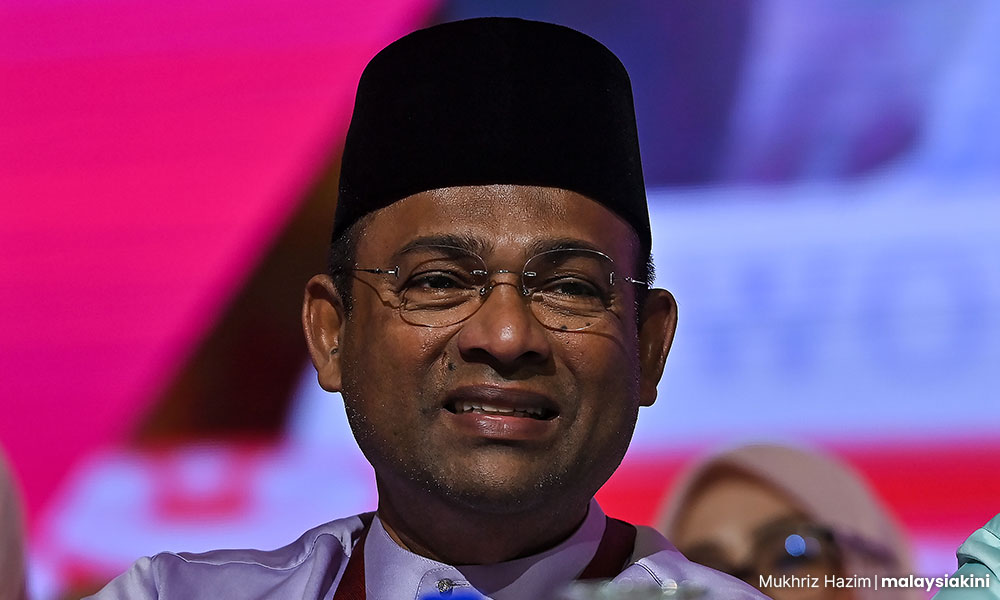
They included Abdul Azeez Abdul Rahim, who served as chairperson while also being an MP and an Umno supreme council member.
Azeez held eight concurrent posts as chairperson or director in subsidiary companies, which the commission said could distract office holders from their principal responsibilities and create conflicts of interest.
Several investments made during the period were identified for further investigation, including transactions involving PT TH Indo Plantations and Trurich Resources.
The RCI also recommended forensic audits over troubled investments and transactions where information may have been withheld or where the institution suffered substantial losses.
Police report against top officials
In 2018, the Tabung Haji board had lodged two police reports against Azeez, former Tabung Haji CEOs Ismee Ismail and Johan Abdullah, as well as chief operating officer Adi Azuan Abdul Ghani, chief financial officer Rozaida Omar, legal adviser Hazlina Khalid, and senior general manager for corporate services and real estate Rifina Ariff.
The Tabung Haji board had reportedly said at the time that one of the police reports involved the alleged misuse of RM22 million allocated for Yayasan Tabung Haji, which was purportedly diverted to political activities.
A second police report was lodged against Ismee, Hazlina, and Rifina over the disposal of a 95 percent stake in PT TH Indo Plantations.
The stake was initially held by two Tabung Haji subsidiaries - TH Indopalms Sdn Bhd and TH Indo Industries Sdn Bhd.
The RCI did not highlight the report against Azeez, instead referring to four reports lodged between November 2018 and January 2019 and issued a general recommendation that relevant authorities must take firm and prompt action on every police report or complaint regarding any misconduct at the Muslim pilgrimage fund.
Other political figures on the board included former MP and Umno permanent chairperson Badruddin Amiruldin, as well as Rosni Sohar, who was at that time a state assemblyperson and Umno supreme council member.
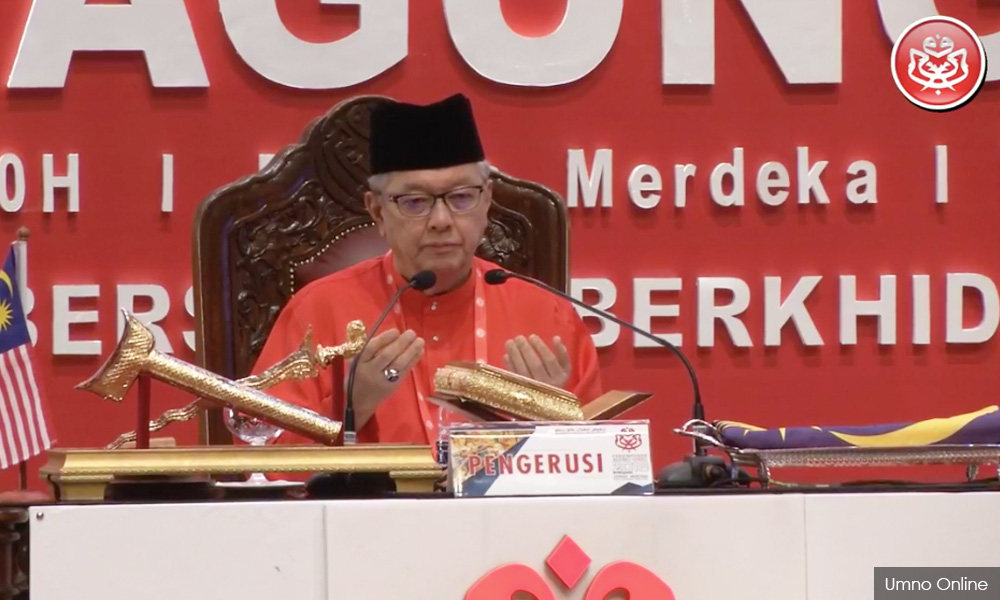
The RCI said such appointments compromised the institution’s independence and reinforced perceptions that political factors could affect its governance and decision-making.
Missing names, testimony
A Malaysiakini check also found that the evidence given by several key witnesses was neither quoted nor summarised.
Those who testified in person included Azeez, Ismee, Johan, Nik Hasyudeen, Amrin Awaluddin, former chairperson Nor Yusof, former ministers Mujahid Yusof Rawa and Jamil Khir Baharom, and former board member Zaiton Hassan.
Despite their central roles during the period under scrutiny, the report did not state what they told the commission.
Azeez’s name appears instead in relation to warning letters sent by Bank Negara Malaysia on Aug 21 and Dec 19, 2014, and Dec 23, 2015, which were addressed to him in his capacity as Tabung Haji chairperson.
The RCI also found governance and procedural weaknesses after the Pakatan Harapan government took office in May 2018.
Among others, the RCI found that an existing investment panel was dissolved and replaced by an “exco perniagaan” chaired by the economic affairs minister, who at the time was Azmin Ali.
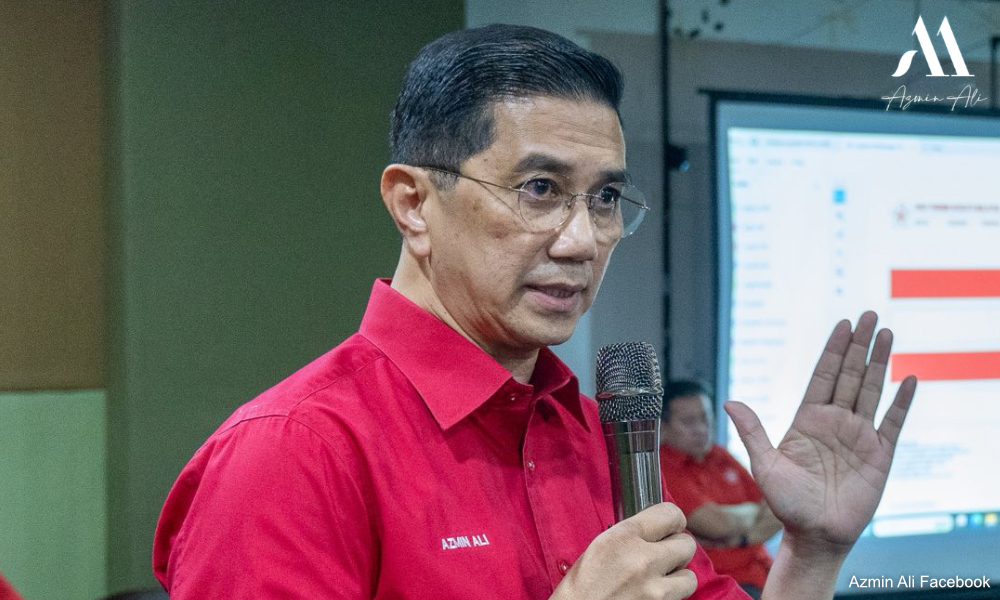
The RCI found that the replacement arrangement did not function effectively and was not provided for under the Tabung Haji Act 1995, leaving a gap in professional investment oversight.
Recovery plan carries future risk
The commission acknowledged that the 2018 recovery and restructuring plan, which transferred underperforming assets to Urusharta Jamaah Sdn Bhd, was necessary to prevent a possible run on Tabung Haji.
However, it warned that part of the recovery depended on deferred income that was not backed by immediate cash.
This, it said, could expose Tabung Haji to another financial crisis should the government fail to make the agreed annual cash allocations required to redeem the sukuk issued under the restructuring.
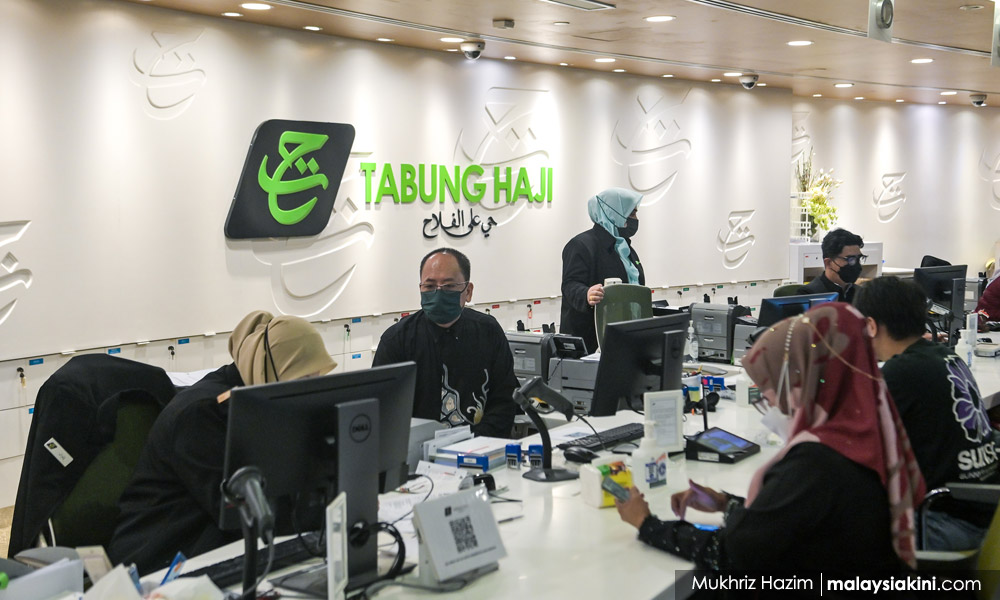
To address the governance failures, the RCI recommended amending the Tabung Haji Act to expressly prohibit active politicians from being appointed as chairperson or board members of Tabung Haji and its subsidiaries.
It also called for the institution to be led by professionals with specific expertise in finance and investment.
The proposed reforms were necessary to protect Tabung Haji from political interference and restore confidence in its management, the report said. - Mkini

No comments:
Post a Comment
Note: Only a member of this blog may post a comment.