


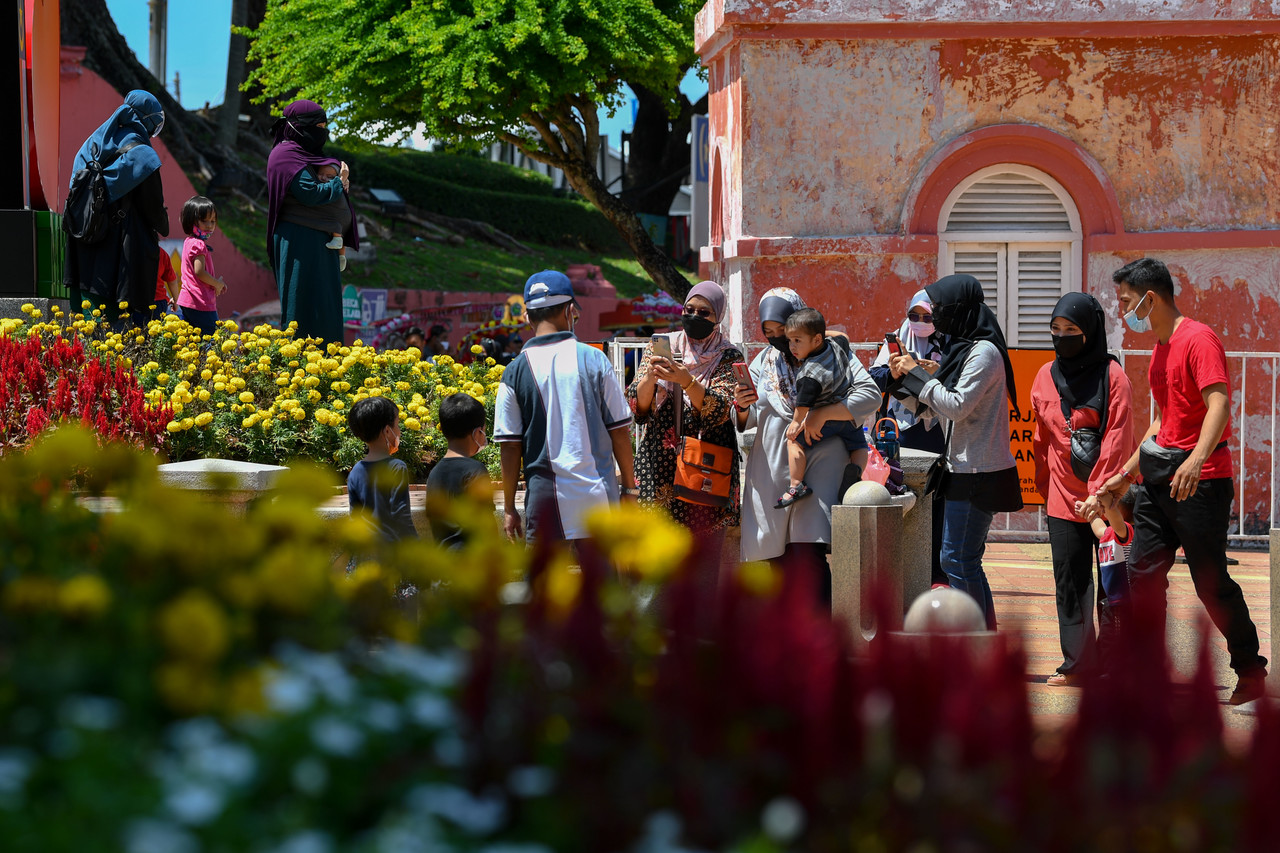
MENTION halal tourism and food is often the first thing that comes to mind. Travellers look for halal restaurants, hotels that serve halal meals and food they can enjoy with confidence.
These things matter. Yet a destination can offer all of them and still leave travellers struggling with unclear information, inconvenient transport or activities that overlook their religious and family needs.
Malaysia’s next opportunity in Muslim-friendly tourism lies in connecting these services into a journey that respects travellers’ needs while also respecting the values of host communities.
Our research with Muslim travellers reinforces this perspective. A destination is experienced through accommodation, transport, attractions, recreation, shopping and interactions with local people. Halal food is an essential part of that experience, but it cannot carry the whole journey.
One journey, many providers
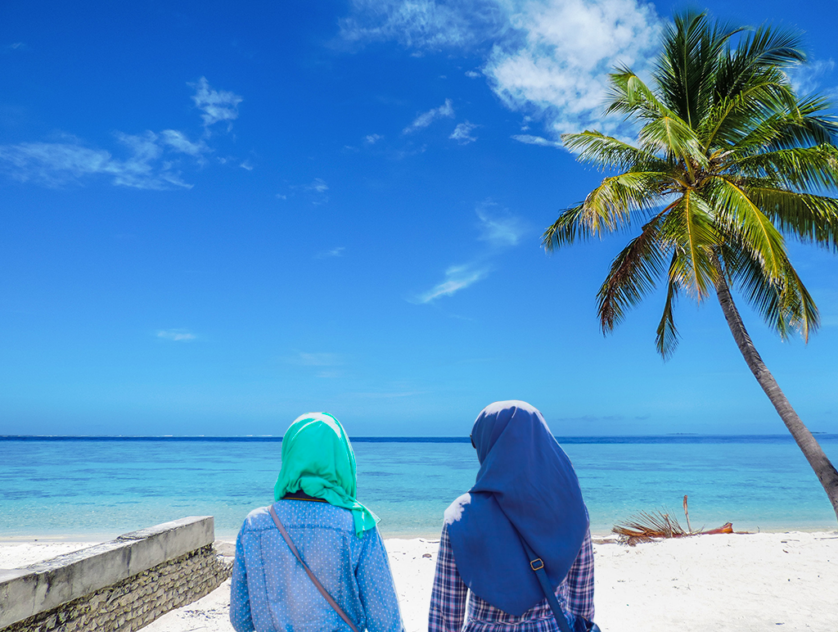
Research involving Muslim travellers visiting local islands in the Maldives found that halal food and religious facilities mattered alongside accommodation, activities, transportation, shopping and the local environment. Safety, privacy and value for money also shaped their experiences.
These elements are interconnected.
During one trip, a traveller may stay at a guesthouse, eat at several restaurants, take a boat, visit attractions and buy from local shops. Each provider manages a different service, but the traveller experiences the combined result.
A hotel may provide halal meals and prayer facilities, but its guests eventually leave the premises. Their day may involve sightseeing, recreation or travel to another island. Religious and practical needs continue throughout that journey.
For local communities, tourism also brings expectations about hospitality and service. Connecting the travel experience therefore requires attention to how visitors’ needs can be met while respecting the community’s values and way of life.
This understanding should begin before arrival.
Travellers search for information, compare accommodation and plan activities before booking. Clear descriptions of halal food options, prayer facilities, privacy arrangements and suitable activities help them make informed choices.
When information is incomplete or difficult to find, travellers must spend more time checking, asking questions and making alternative arrangements. A destination may have suitable facilities, but their value is reduced if visitors cannot confidently find or use them.
Family needs shape the experience
Our research on Muslim families travelling in the Maldives found that family travel brings additional considerations involving organisation, safety, practicality and risk management.
It also found that travelling together can strengthen family bonds and provide opportunities to experience Islamic values within the family.
These findings underline the importance of recognising different family circumstances.
A couple travelling together may have different needs from parents with young children. Families travelling with elderly relatives may need accessible transport, shorter walking distances and a slower pace. Larger families may require suitable room arrangements and more flexible itineraries.
Prayer schedules, meal arrangements and privacy can influence how families organise their day. Individually, these considerations may appear small. Together, they can determine whether a holiday feels comfortable or exhausting.
Tourism providers can respond through thoughtful service design. Itineraries can allow sufficient time for prayer and rest, accommodation descriptions can explain relevant facilities, and attractions can help visitors locate nearby prayer spaces and suitable food options.
Connecting services creates wider value
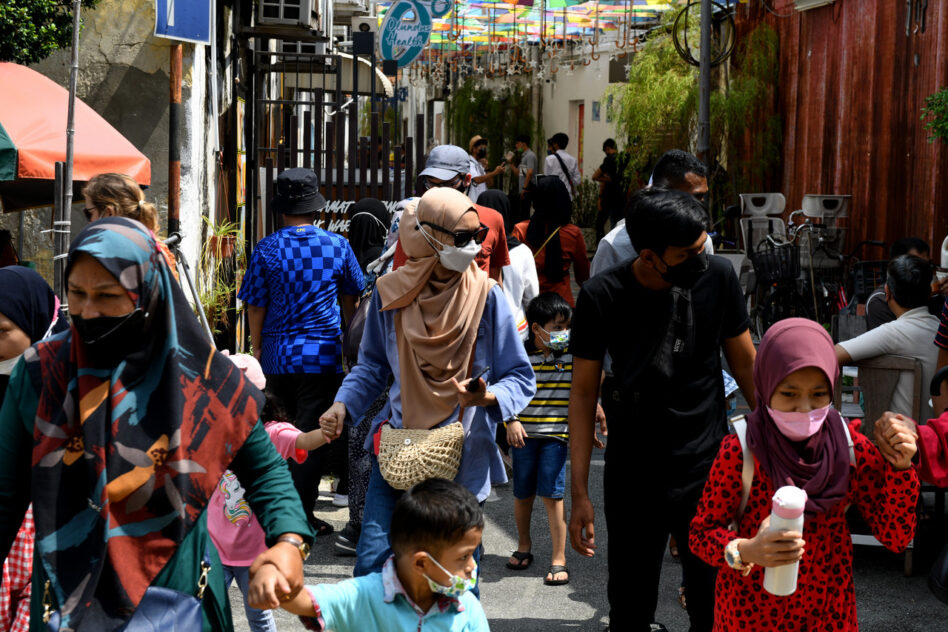
For Malaysia, improving the whole journey also makes economic sense.
According to the Department of Statistics Malaysia’s Tourism Satellite Account 2025, tourism industries generated RM323 bil in value added in 2025, equivalent to 15.9% of Malaysia’s GDP. Inbound tourism expenditure reached RM124.8 bil, while domestic tourism expenditure rose 13.8% to RM112.1 bil.
These figures illustrate an important point: the economic value of a visit is distributed across many businesses.
A comfortable, well-organised journey can create opportunities for accommodation providers, restaurants, local guides, transport operators and community enterprises.
Tourism authorities, local councils and industry associations can help bring these providers together by supporting reliable destination information, staff training and better coordination.
Digital platforms can make relevant information easier to find. Tour operators can account for prayer times and family needs when designing itineraries. Local businesses can explain their services clearly and set realistic expectations.
There is also a strong domestic dimension. Malaysian families encounter many of the same practical considerations when travelling within the country. Better information, accessible activities and convenient facilities can improve their experience too.
Dignity matters for travellers and hosts
Our research has led us to consider a wider principle: dignified tourism.
For Muslim travellers, dignity means being able to enjoy a destination while observing their faith and attending to family needs, without repeatedly having to explain or negotiate basic requirements.
The same consideration must extend to hosts.
Hosts should be able to welcome visitors and earn a living while maintaining their Islamic values, religious commitments and self-respect. Commercial expectations should respect the boundaries that communities consider important.
Travellers deserve respectful service. Hosts deserve respect for their beliefs and way of life. Mutual understanding allows tourism to generate income while sustaining the identity and values of the people who make a destination welcoming.
For Malaysia, this is an opportunity to build on an established advantage.
The strength of Muslim-friendly tourism will depend on how well food, accommodation, prayer facilities, transport, activities and information work together, and how thoughtfully both visitors and communities are treated.
Halal food will always matter. The next step is to carry that confidence through the entire journey.
Dr Nadiah Mahmad Nasir is a Senior Lecturer at Universiti Malaysia Perlis (UniMAP). Professor Dr Khairul Akmaliah Adham is a Professor of Management at Universiti Sains Islam Malaysia (USIM).
The views expressed are solely of the author and do not necessarily reflect those of MMKtT.
- Focus Malaysia.

No comments:
Post a Comment
Note: Only a member of this blog may post a comment.