



MALAYSIA’S Budget 2027 must turn progress in fiscal consolidation into tangible improvements in household finances, including lower living costs, more affordable healthcare and stronger retirement savings, according to the Institute of Chartered Accountants in England and Wales (ICAEW) and industry leaders.
The government has set a fiscal deficit target of 3.3% of gross domestic product (GDP) for 2027, down from 3.6% in 2026. The budget also raises individual income tax relief from RM9,000 to RM12,000 annually.
ICAEW gathered views from Datuk Peter Lim of Folks DFK Group and David Lai and Jen Shaun Wong of BDO Malaysia on how fiscal policy can strengthen household resilience while maintaining the country’s financial sustainability.
Subsidy reform: Complementing relief with long-term solutions
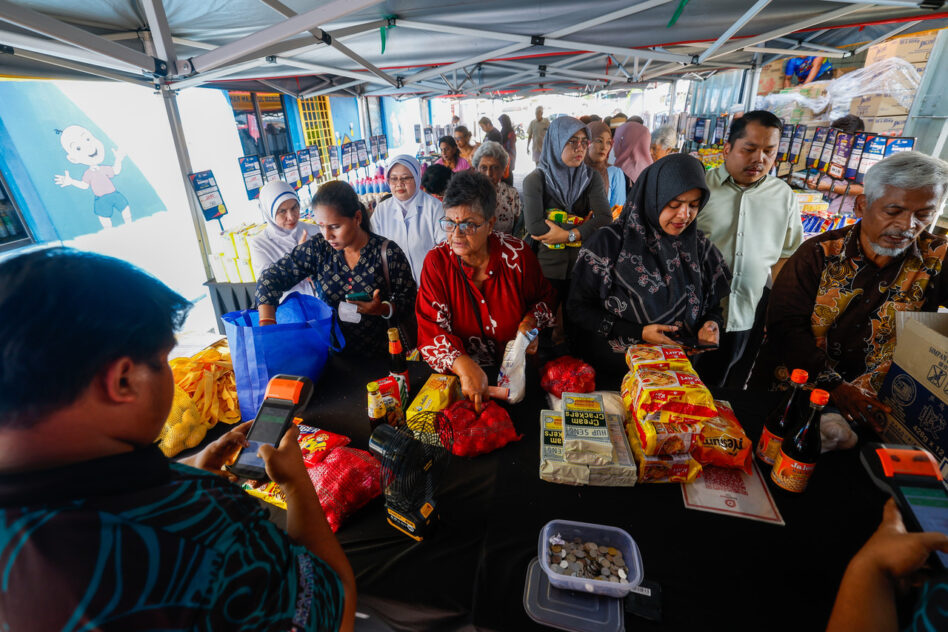
Subsidy rationalisation has generated RM15.5 bil in annual savings from fuel and electricity reforms, while cash transfers under Sumbangan Tunai Rahmah (STR), Sumbangan Asas Rahmah (SARA) and BUDI MADANI continue to provide important immediate relief to households.
As the government refines these measures, there is room to complement them with longer-term solutions that address the cost drivers behind them.
According to Folks DFK Group’s group managing partner Datuk Peter Lim, the government’s efforts through the various subsidies and cash disbursements do alleviate cost-of-living pressures, but they are not a panacea.
“We should strive for more sustainable options and longer-term developmental plans to address the underlying issues,” he opined.
“Very often, housing near public transport nodes is priced at a premium that excludes the very market that would benefit most from it. A better fiscal response would target the cost of housing itself.”
He proposed accelerating affordable housing near employment centres and public transport, incentivising build-to-rent developments and providing targeted rental assistance. He also recommended employer tax incentives and childcare vouchers for lower- and middle-income working families, arguing that childcare support could help strengthen female labour-force participation.
Lim also advocated hiring incentives for B40 workers, fiscal support for micro, small and medium enterprises outside the Klang Valley and Penang, and upskilling opportunities through HRDC and higher education institutions.
Tax and household resilience: Targeting support while closing the gap
Household debt remains elevated, and while debt-servicing capacity is generally healthy, households are feeling the strain.
Private consumption growth has slowed amid rising living costs, underscoring the structural gap between income growth and expenditure.
Lai, BDO Malaysia’s Executive Director and Head of Tax Advisory, said assistance should better reflect household circumstances rather than rely solely on income thresholds.
“Budget 2027 must refine subsidy targeting while also addressing this gap. Eligibility should move beyond static income thresholds to include household size, dependants, disability status and regional cost-of-living differences,” he remarked.
“A transitional support tier for vulnerable M40 households would avoid the cliff-edge effect where small income changes result in complete loss of assistance.
“The scope of SARA could be expanded to cover essential expenses such as childcare, eldercare, education and basic healthcare, ensuring targeted support better reflects the evolving needs of Malaysian households.”
Lai also called for incentives supporting healthier food choices, regular screenings and preventive healthcare, citing the National Health and Morbidity Survey 2023, which found that 15.6% of Malaysian adults had diabetes.
Meanwhile, Wong, BDO Malaysia’s Director of Tax Advisory, proposed tax incentives for dedicated housing savings accounts to help first-time buyers build deposits without relying excessively on debt.
He cited Singapore’s Central Provident Fund housing framework and Canada’s First Home Savings Account as models Malaysia could consider.
“Complementing existing EPF housing withdrawals with a savings-led approach, could improve housing affordability while reducing reliance on excessive household debt,” he said.
“Simultaneously strengthening income growth through upskilling and reskilling incentives in high-value sectors like AI, cybersecurity and renewable energy will help households keep pace with rising costs.”
Retirement: Strengthening long-term security

Retirement adequacy was another priority. Employees Provident Fund (EPF) data reported in July showed that its i-Legasi initiative had facilitated RM46.3 mil in retirement savings transfers to 86 beneficiaries.
“Raising the Private Retirement Scheme (PRS) tax relief limit beyond RM3,000 is overdue,” Wong noted.
“Although this tax relief has been extended until YA2030, the current threshold may no longer adequately reflect rising living costs and longer life expectancy.”
Wong also proposed additional relief for consistent contributors, double tax deductions to encourage employer participation and incentives for contributions to spouses’ or parents’ retirement accounts.
“In addition, we should reward consistent contributors with additional relief after five consecutive years, encourage employer participation through double tax deductions, and support family-based retirement planning with tax reliefs for contributions to a spouse’s or parents’ accounts,” he added.
Added Lai, tax incentives for estate planning instruments, including hibah, wasiat, wills and trusts, to encourage orderly wealth transfers across generations.
He also said strengthening Malaysia’s Single Family Office framework could support retirement planning and develop the country’s private wealth management sector.
The contributors said Malaysia’s fiscal progress should provide a foundation for reforms that address household costs, healthcare affordability and long-term financial security.
They argued that Budget 2027 should ultimately be judged not only by deficit reduction, but by whether households experience meaningful and lasting improvements in their financial well-being.
“The test of fiscal recovery is whether households experience tangible relief — and this Budget must deliver,” they said. ‒ Focus Malaysia

No comments:
Post a Comment
Note: Only a member of this blog may post a comment.