`


THERE IS NO GOD EXCEPT ALLAH
read:
MALAYSIA Tanah Tumpah Darahku

LOVE MALAYSIA!!!


16 SEPTEMBER 2026

Monday, September 21, 2026

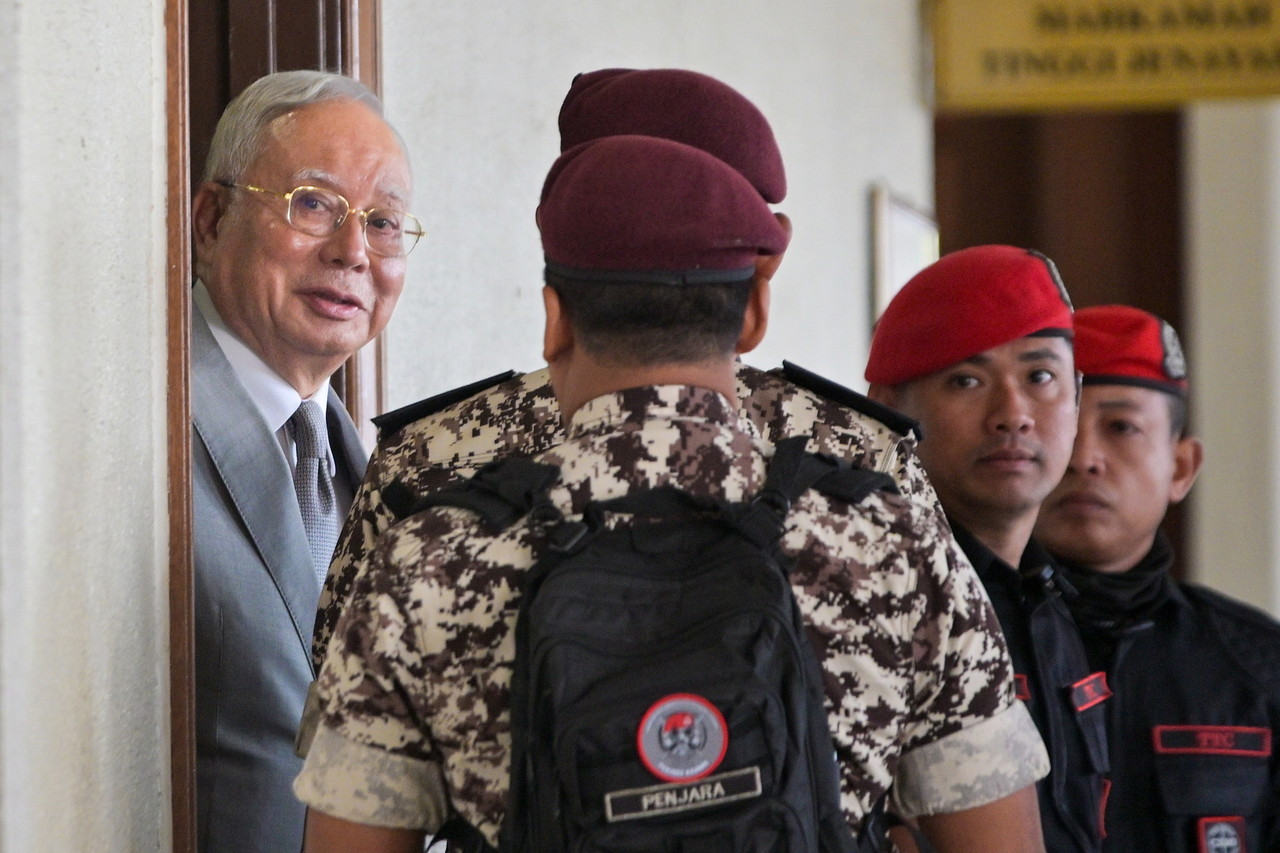
How Najib’s return is reshaping Malaysia’s coalition politics ahead of GE16


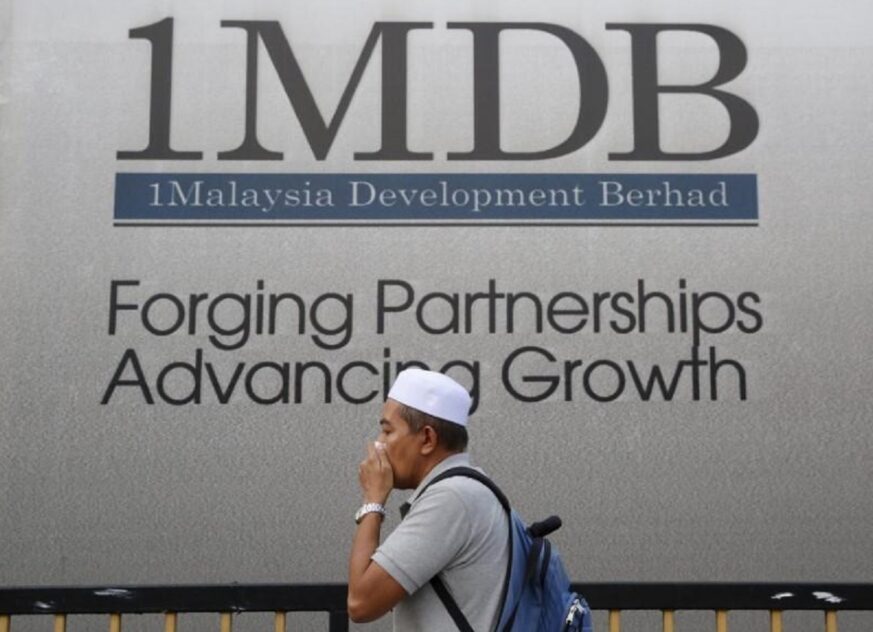
DATUK Seri Najib Razak’s transition from prison to conditional house arrest has done more than revive debate over 1MDB.

It has exposed a deeper structural imbalance within Malaysia’s unity government: Pakatan Harapan (PH) may command the larger parliamentary bloc, but Barisan Nasional (BN), particularly UMNO, retains political leverage beyond its numbers.

That imbalance became visible when Anthony Loke offered to resign as Transport Minister following Najib’s conditional pardon.

DAP’s Central Executive Committee decided Loke would step down while its other ministers remained in Cabinet to preserve political stability. Prime Minister Datuk Seri Anwar Ibrahim has yet to decide whether to accept the resignation.
(Image: CNA)

The significance extends beyond one minister’s future. DAP has been compelled to demonstrate that remaining in government does not mean abandoning its long-standing position on corruption and 1MDB.

The political arithmetic explains why.

DAP has 40 MPs, compared with UMNO’s 26. PH collectively holds 76 seats, while BN has 30. Yet the federal government also depends on GPS, GRS and other partners, meaning parliamentary strength does not automatically translate into political dominance.

UMNO’s influence stems from its position as a pivotal Malay-based coalition partner. Its president, Datuk Seri Dr Ahmad Zahid Hamidi, is Deputy Prime Minister and BN chairman, and has repeatedly said BN will remain in the Unity Government until the parliamentary term ends.

This creates an uncomfortable reality for PH. A coalition can have more seats yet less room to manoeuvre when governing depends on strategically important partners.

Recent state elections reinforce that point.

In July 2026, BN won 48 of Johor’s 56 seats, including 36 for UMNO, while PH secured only eight.

A month later, BN won 18 of Negeri Sembilan’s 36 seats and formed the state government with Perikatan Nasional (PN), which won seven. PH fell from 17 seats in 2023 to 11, while UMNO won all 16 seats it contested.

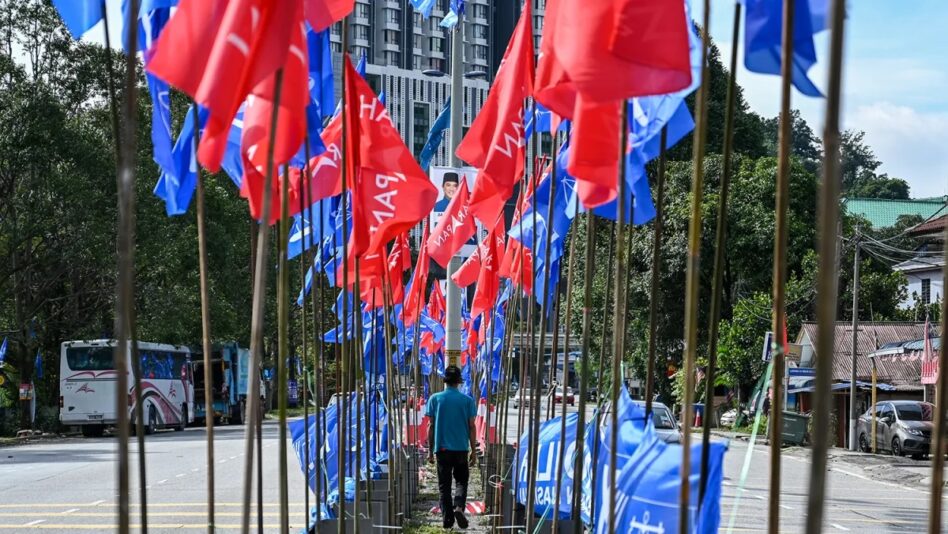
These results should not be projected directly onto GE16. State elections operate under different local dynamics, candidates and issues But they reveal something politically significant: BN and UMNO have shown they can compete aggressively against PH while cooperating with parties that remain federal-level opponents.

That flexibility may be one of UMNO’s greatest assets.

For PH, the contradiction is increasingly apparent. It entered the unity government with substantially greater parliamentary representation than UMNO, yet governing requires compromises that can blur the distinctions on which PH parties built their support.
(Image: Reuters)

DAP faces the sharpest version of this dilemma.

Its supporters have long associated the party with institutional reform, accountability and opposition to corruption. DAP has consistently argued that the 1MDB scandal damaged Malaysia’s reputation, public confidence and national finances.

The Finance Ministry has estimated the government’s total 1MDB-related obligations at RM51.4 bil, with RM8.9 bil still outstanding.

Najib’s conditional pardon therefore presents a difficult political question: how can DAP remain an influential governing party alongside UMNO while convincing supporters that its commitment to accountability remains intact?

Loke’s resignation offer can be understood as an attempt to manage that tension without destabilising the coalition.

At DAP’s August party conference, delegates voted decisively to remain in government until the parliamentary term ends, with 1,857 supporting continued participation and 242 opposing it.

His subsequent move nevertheless signals that remaining in government does not require accepting every political development without consequence.

It represents an effort to preserve DAP’s governing role while drawing a clearer line on accountability and institutional credibility.

The episode also challenges the assumption that PH’s larger parliamentary bloc automatically confers strategic superiority.

 Politics is not simply arithmetic. Coalition dependence, constituency management, institutional positions and cross-party negotiation all shape political influence.

Looking ahead to GE16, the central question may not be whether UMNO can restore its pre-2018 dominance.

Instead, it is whether PH can preserve a coherent political identity while governing with BN, particularly when UMNO has demonstrated its willingness to cooperate with PN at state level.

Najib’s return has therefore become a test of coalition architecture. DAP must balance principle against governing responsibility. PKR must hold together the unity arrangement around Anwar.
UMNO, meanwhile, must show that relatively modest parliamentary numbers can still translate into substantial political influence.

The next general election will ultimately be decided by voters. But the political landscape entering GE16 already looks different from that of 2022.

Johor and Negeri Sembilan have highlighted BN’s renewed organisational capacity, while the Najib episode has reopened questions about the long-term compatibility of PH and BN.

The issue is no longer simply Najib’s political relevance. It is whether the coalition architecture forged after GE15 can withstand the competing pressures of accountability, electoral geography, race, religion and political survival. 

R. Paneir Selvam is Principal Consultant at Arunachala Research & Consultancy Sdn Bhd (ARRESCON), a think tank specialising in strategic national and geopolitical analysis.

The views expressed are solely of the author and do not necessarily reflect those of  MMKtT.

- Focus Malaysia.

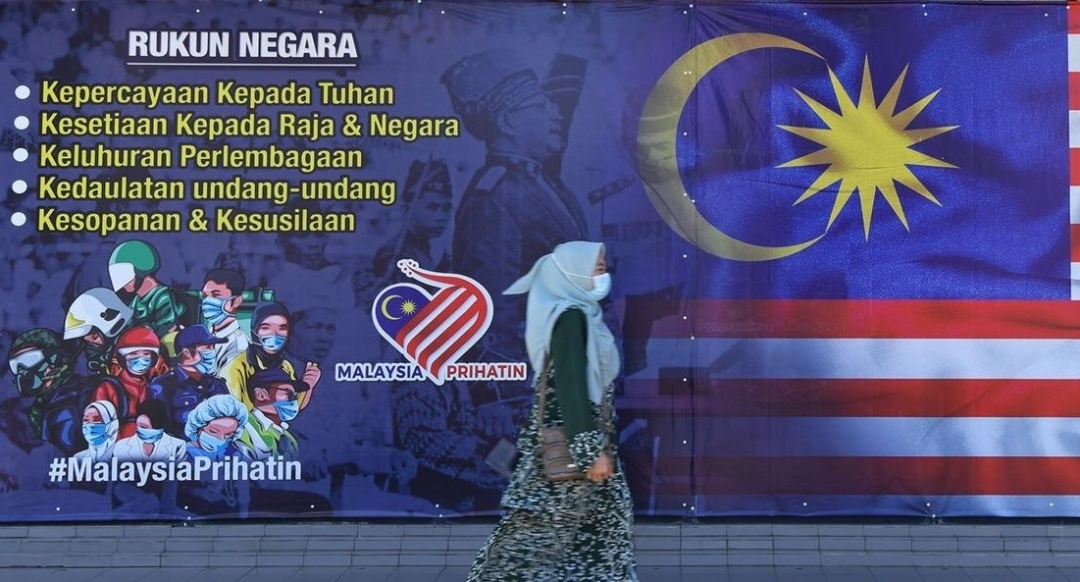
Freedom of expression should not come at the expense of respect for the Rukun Negara


Letter to Editor

I REFER to the viral post in which the Rukun Negara was used as a prop for mockery.

Malaysia is a diverse country, and with that diversity naturally comes different views, beliefs and forms of expression. Criticism, satire and artistic expression all have their place in a democratic society.

But there is a line between questioning institutions and ridiculing the very principles intended to hold our nation together.

The Rukun Negara was conceived as a shared national foundation, providing common ground for Malaysians of every race, religion and background. That common ground matters.

We cannot continually speak about national unity, mutual respect and social harmony while simultaneously treating the principles that underpin those ideals as material for ridicule.

This does not mean the Rukun Negara should be beyond discussion. Thoughtful debate is healthy in any democracy. But there is a clear distinction between engaging critically with our national principles and deliberately trivialising what they represent.

Freedom of expression is important, but it should also be exercised with a sense of responsibility.

That responsibility becomes even greater for public figures, performers and content creators whose platforms allow their words and actions to reach large audiences.

At the same time, the response to offensive expression must itself remain measured, proportionate and firmly grounded in law. Defending respect for national principles should never become a justification for disproportionate action.

There is therefore a simple standard worth preserving: criticise freely, but do not trivialise the very foundation that allows us to live together as a nation.

The Rukun Negara belongs to every Malaysian. Whatever our race or religion, it deserves to be approached with seriousness, respect and dignity.

Darshan Singh
Kuala Lumpur

The views expressed are solely of the author and do not necessarily reflect those of  MMKtT

- Focus Malaysia.

MCA urges Putrajaya to raise electricity relief to 1,200kWh, cut SST and review base tariff

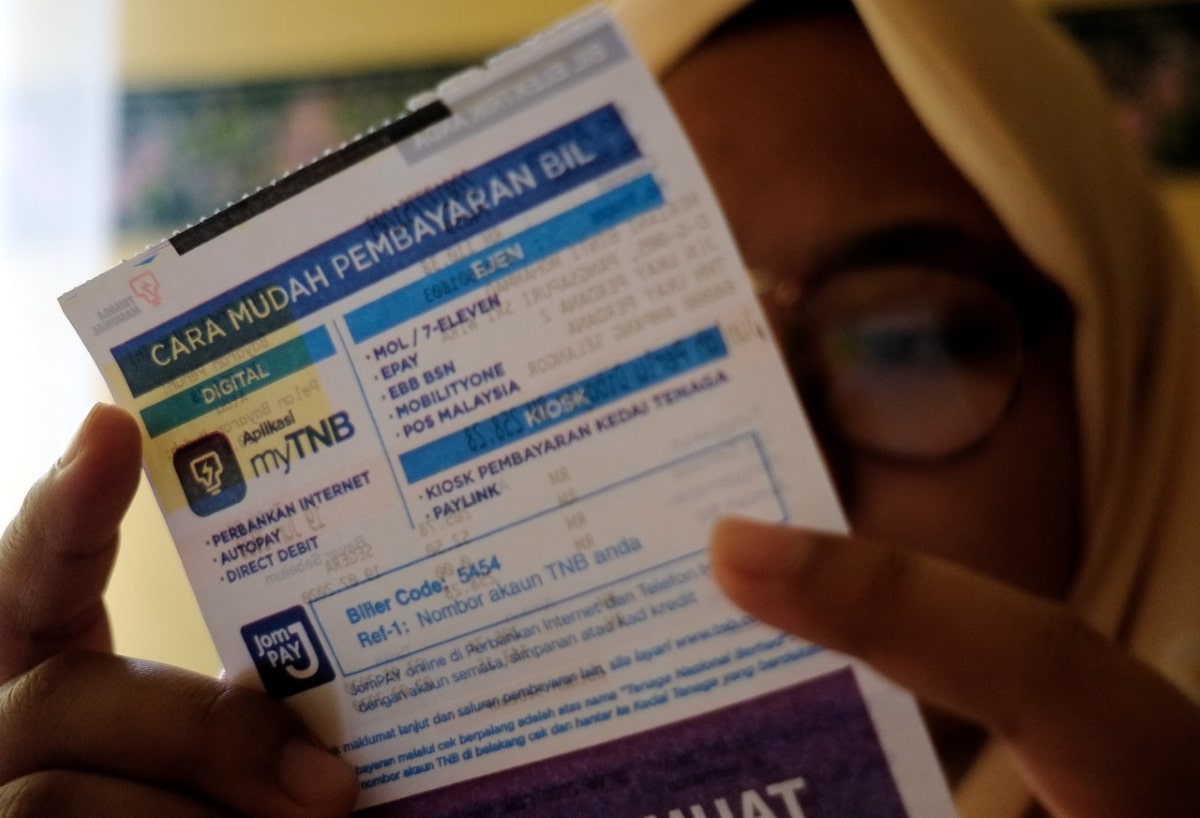
 TNB bill

MCA has urged the government to extend household electricity relief to 1,200kWh through a progressive mechanism, while also reviewing the Sales and Service Tax (SST) on electricity and the current base tariff.

The call comes after the government announced that household electricity relief would be expanded from 600kWh to 800kWh, a move aimed at easing the burden on consumers under the revised electricity tariff structure.

MCA Economic and SMEs Affairs Committee chairman Datuk Ir Lawrence Low welcomed the increase but said households that marginally exceed the new threshold could still face a sudden jump in their electricity bills.

“Relief should taper progressively as consumption rises, rather than disappear abruptly once a threshold is crossed,” he said.

According to Low, who is also the party’s vice president, extending relief to 1,200kWh through a gradual reduction mechanism would allow households to maintain normal electricity use while continuing to improve energy efficiency.

He argued that affordable electricity should be viewed as part of the wider economic cycle rather than simply as a consumption issue.

“Keeping electricity costs manageable does not mean encouraging waste. It gives households greater disposable income to invest in energy-efficient air conditioners, refrigerators, washing machines, computers, electric vehicles and other efficient technologies,” he said.

Low added that such spending would also support Malaysia’s electrical and electronics, retail, repair and related service sectors.

He said Malaysia’s energy policy should evolve alongside the country’s push towards artificial intelligence, the digital economy and smart homes.

“Efficient electricity use, energy-saving technology and smart devices should be encouraged, rather than simply pushing households to consume less electricity,” he said.

Beyond electricity relief, Low called on the government to review the 8% SST imposed on household electricity and consider reducing it to 6% or lower.

“If the government can lessen other taxes affecting essential services and economic activity, basic household electricity deserves similar consideration,” he said.

Low also urged Putrajaya to review the current Regulatory Period 4 (RP4) base tariff of 45.40 sen per kWh and consider moving it closer to the previous RP3 rate of 39.95 sen per kWh, a difference of 5.45 sen or about 13.6%.

He said that while the Automatic Fuel Adjustment (AFA) mechanism already reflected changes in fuel and generation costs, the base tariff, capacity charges and network charges should also be reviewed transparently.

“Where efficiency gains and cost savings have been achieved, consumers and businesses deserve to share those benefits,” he said. ‒  Focus Malaysia

People who get married in Bemban, Malacca can now enjoy 100kg of rice


COUPLES getting married in the Bemban State Assembly constituency can look forward to receiving 100 kg of rice to help with their wedding celebrations.

The initiative, started by 35-year-old Muhammad Jefri Safry, has been running for about a year and is funded entirely by him.

Jefri said couples who invite him to their wedding by giving him an invitation card will receive the rice contribution, regardless of their political affiliation.

He stressed that the assistance was meant for the wider Bemban community and was not influenced by political allegiances.

“So far, I have distributed 6,000kg of rice to couples holding their wedding receptions within the constituency,” he said.

“It does not matter who they are or which political flag they support. As long as they are members of the Bemban community, I will try to help within my means,” Jefri added.

Jefri said he was not receiving financial assistance from any organisation or individual for the initiative, with the cost of the rice coming directly from his own funds.

For him, receiving a wedding invitation was itself a gesture of trust and respect, while the rice was his way of contributing towards the couple’s big day.

He said weddings could involve considerable expenses, particularly when families have to prepare food for a large number of guests.

“With the various costs involved in organising a wedding, I hope this contribution can help ease some of the financial burden on the families, particularly when it comes to preparing food for the reception,” he said.

“While 100kg of rice may not seem like a huge amount, I hope it can still contribute towards feeding the guests who attend the wedding,” Jefri said.— Focus Malaysia