


The last two years have seen the cost of operations for doing business increase in Malaysia as a result of a number of factors.
Firstly, the implementation of the 20 sen/kWh industry cost past through (ICPT) surcharge on industrial and commercial users for the first half of 2023.
Secondly, starting on Feb 1, 2025, the minimum wage was increased by 13 percent from RM1,500 to RM1,700/month.
Thirdly, the service tax increased from six to eight percent in 2024, and its scope was expanded to cover more economic sectors, including parts of the logistics sector for B2B services.
Fourthly, a much overdue increase in the water tariffs took place in 2024.
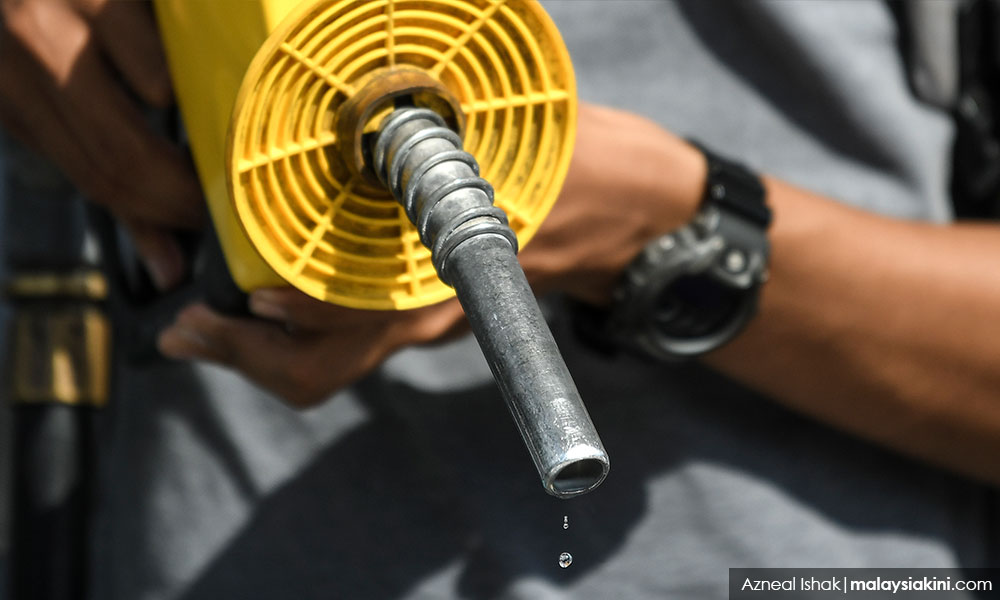
2025 will likely see further increases in the cost of doing business because of the introduction of targeted petrol subsidies in the second half of the year and also the anticipated increase in the base electricity tariff of as much as 14 percent, also projected to take place in the second half of the year.
While some of these cost increases are necessary to better reflect changes in the underlying costs of raw materials such as fuel and coal, and also to provide Capex funding for the electricity and water operators to replace and upgrade their infrastructure, the government should take a more holistic approach in terms of transparency and providing alternatives to industrial and commercial users, where possible.
Transparency for electricity tariff structure
For example, the proposed increase in the base electricity tariff from 39.95sen/kWh to 45.62sen/kWh (an increase of 5.67 sen or 14 percent), in the fourth regulatory period (RP4), from 2025 to 2027, that is supposed to start in the second half of 2025 was not accompanied by detailed guidelines explaining the breakdown of the increase in base tariff.
For RP2 and RP3, the Energy Commission released a detailed brief on the guidelines to determine the electricity tariff using the incentive based regulation (IBR) framework. (See screenshots below)
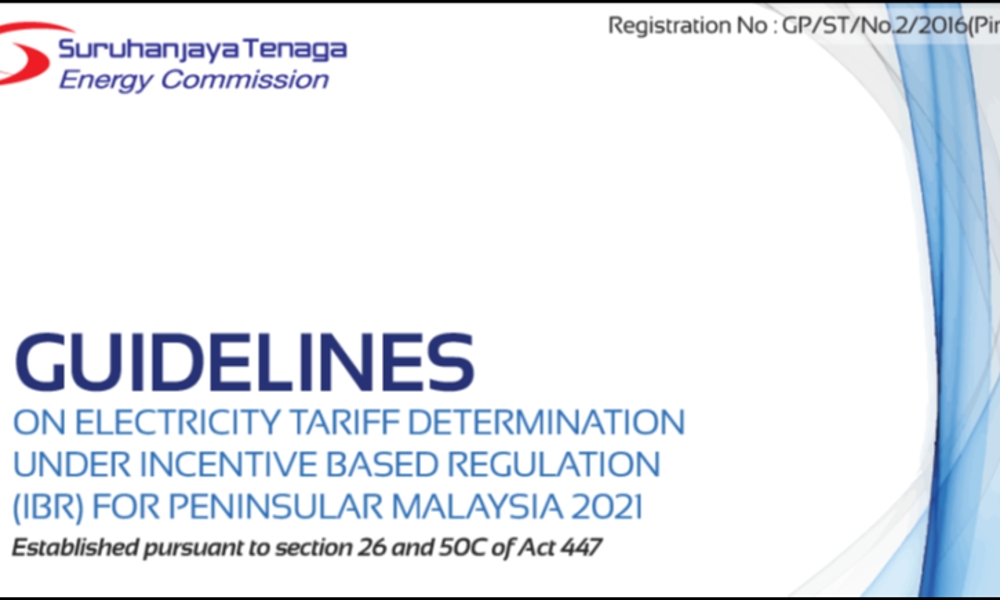
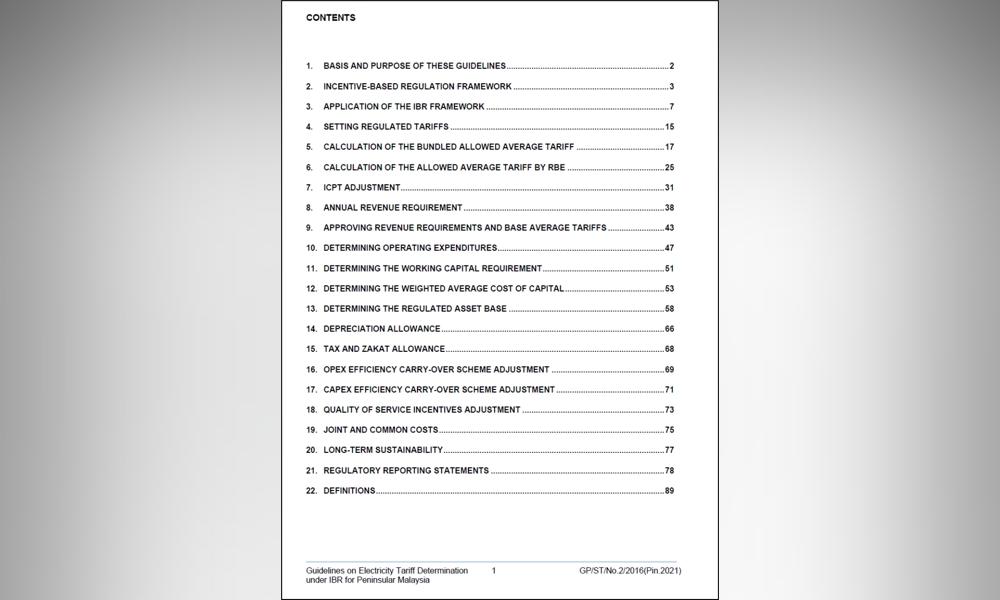
Having this detailed breakdown and explanation would provide some assurance to industry players that a certain percentage of the increase in base tariff would go towards investments in the grid and how much would go into the increase in operating expenditures.
Absent these details, all we have now is TNB’s own announcement that it will increase its grid and distribution network Capex from RM20.55 billion in RP3 (2022-2024) to RM26.5 billion in RP4 (2025-2027) which is not very assuring from the perspective of industry players.
From this perspective, it is understandable that the president of Associated Chinese Chambers of Commerce and Industry of Malaysia (ACCCIM), Ng Yih Pyng, voiced concerns over the hike in electricity tariff during a Chinese New Year celebration event in early February 2025 where Prime Minister Anwar Ibrahim was in attendance.
While it is good that the Energy Commission was very pro-active in promising to engage with industry players on the hike in the electricity base tariff, it would be even better if it could publish these detailed guidelines so that industry players can do their own analysis of the pricing and investment calculations before giving their feedback to the commission.
Economically feasible renewable energy alternatives
While the industry is getting prepared for an increase in the base tariff in 2H of 2025, the government can ease the pain somewhat by offering economically feasible alternatives in the form of renewable energy sources.
Credit should be given to the Energy Commission for pushing the Renewable Energy (RE) agenda forward via programmes such as the new energy metering (NEM), the corporate renewable energy supply scheme (Cress) and the large-scale solar (LLS) projects, just to name a few.
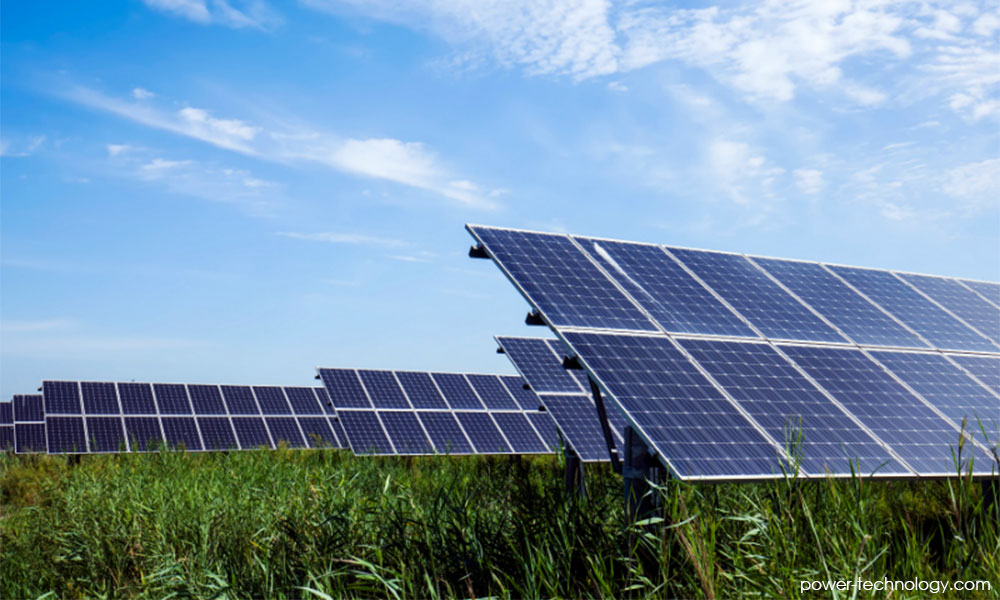
But many of the policy and pricing details for these programmes do not provide, for now, economically competitive RE alternatives for industry.
For example, the new third-party agreement (TPA) framework under Cress allows for a willing buyer (from industry) and willing seller (from RE operators) but because the system access charges (SAC) or access fee charged by TNB is so high (45 sen/kWh) that such schemes are not competitive vis-à-vis the current TNB electricity tariff, even after the proposed hike.
For example, the Energy Commission finally announced they would allow ground-mounted solar photovoltaic (PV) systems to be used for generating electricity for self-consumption (up to 85 percent of one’s own demand) but it is also mandating that such solar PVs have to come with battery storage systems to stabilise the grid.
With the cost of battery storage still relatively high at the moment, this policy makes it economically challenging to install and operate ground mounted solar PVs for self-consumption.
To make RE alternatives a viable option for industries to take up to partly mitigate the expected increase in electricity tariffs, the commission must change some of the existing policies.
Exemptions for certain industries?
The government should also consider the potential “double whammy” effect for certain industries as a result of the increase in the electricity tariff and the announced introduction of the carbon tax on the steel industry in 2026.
Many of the steel players in Malaysia are already suffering from global overcapacity and slow domestic demand.
Since the steel makers are large consumers of electricity, especially those who operate using electric arc furnaces (EAFs), how many of them will likely survive a 14 percent increase in the base electricity tariff and a carbon tax in 2026?
As such, the government should give some consideration to exempt certain critical industries from the increase in base electricity tariff later this year.
Commission chair with renewable energy background
It is encouraging that in a parliamentary reply to Pendang MP Awang Hashim on Feb 17, it was stated that the appointment of the chief secretary Shamsul Azri Abu Bakar to the position of Energy Commission chairperson is only temporary while a new chair is being identified.
Prime Minister Anwar Ibrahim and Energy Transition and Water Transformation Minister Fadillah Yusof, should consider appointing an experienced individual with a strong background in the RE sector as the new chairperson of the commission, who will work well together with the newly appointed CEO, Siti Safinah Salleh, who has a strong corporate background.
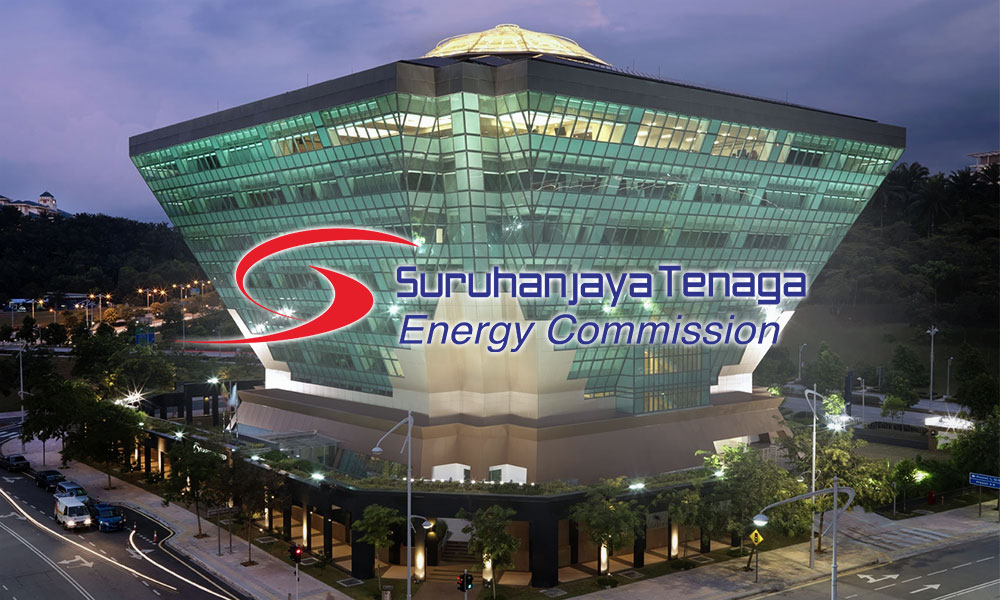
This will not only signal our commitment to being carbon neutral by 2050, it will also allow someone from the RE background to work with the commission’s most important stakeholder, TNB, to find common ground to make RE more accessible to industrial and commercial users in a way that will not damage TNB’s bottom line.
Two candidates who are qualified, based on their experience, are:
Hadri Haris, former CEO of Greentech Malaysia, and seven years at TNB, and is a well-known name in the energy and sustainability sector in Malaysia.
Chen Wei-Nee, currently the Head of Carbon at Bursa, who spent nine years at the Sustainable Energy Development Authority (Seda) rising to become its Chief Strategy Officer (CSO).
The clock is ticking and my concern is that without addressing the rise in the base electricity tariff in a holistic manner, some industry players who haven’t prepared for this increase will find themselves facing the real possibility of going out of business, thereby costing many jobs and hurting the economic livelihoods of many families. - Mkini
ONG KIAN MING is pro vice chancellor of external engagement for Taylor’s University. He is a former deputy minister and MP.
The views expressed here are those of the author/contributor and do not necessarily represent the views of MMKtT.

No comments:
Post a Comment
Note: Only a member of this blog may post a comment.