


Malaysia has always been proud of its diversity, with the Malays playing a key role in keeping the country peaceful and united. Since independence, tolerance has been a foundation of national policies, ensuring that people of all backgrounds can coexist.
However, over time, an important question has emerged - has this tolerance remained a genuine commitment to unity, or has it slowly become a quiet surrender of identity, rights, and influence?
For decades, tolerance has been seen as a noble virtue, one that protects Malaysia’s multiracial harmony. But is it still an active choice, or has it become a passive concession?
The Malays, once the pillar of national identity, now find themselves struggling to assert their place in an ever-changing political and social landscape. Some believe that inclusivity requires constant compromise, but history shows that a nation without strong cultural roots will eventually lose its way.
The Federal Constitution was designed as a social contract, ensuring everyone had a fair place in the country. It was built on a mutual agreement that recognised the special position of the Malays while also protecting the cultural and economic rights of non-Malays.
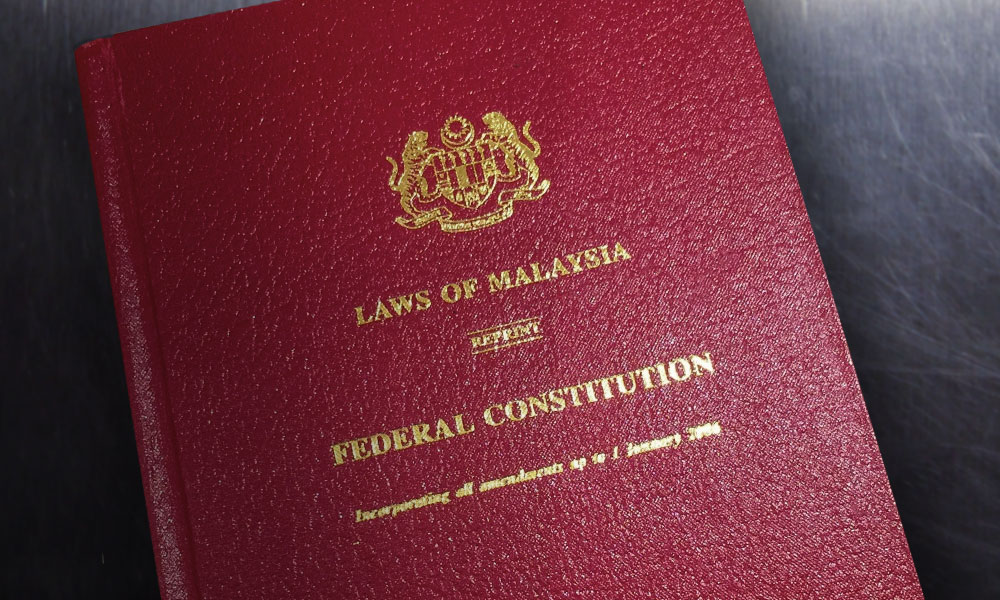
This balance was meant to create stability - not to be continuously renegotiated. But today, under the name of “progress,” some are pushing to rewrite history and reshape national identity in ways that ignore the very foundation that helped Malaysia grow.
Education: Path to unity or cause for division?
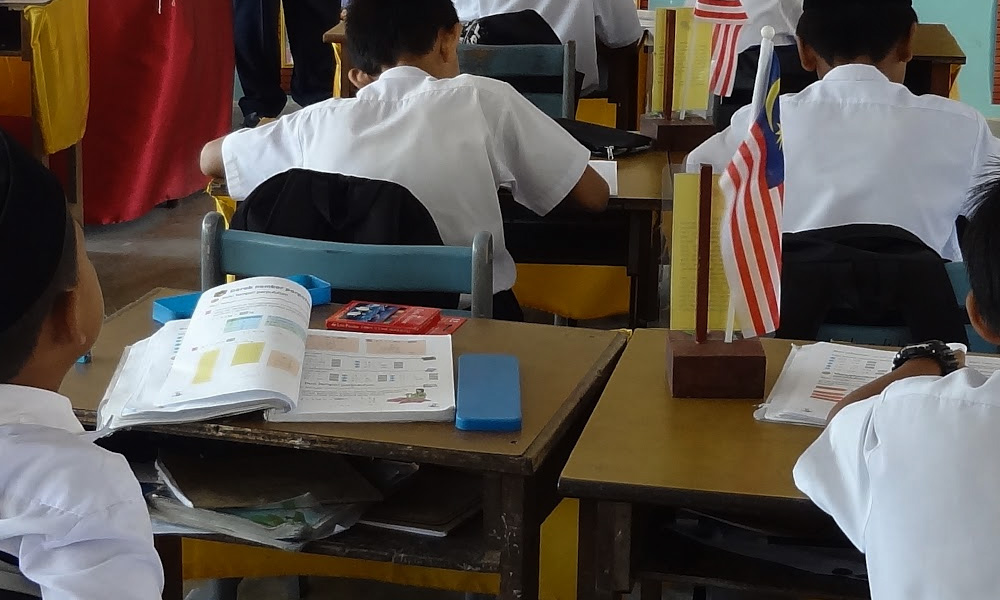
One of the clearest examples of this shift is in the education system. Instead of bringing Malaysians together, the current schooling system has created deeper divisions. Today, children grow up in separate schools, speaking different languages, learning different versions of history, and barely interacting with one another.
By the time they reach adulthood, they struggle to connect beyond racial lines. How can true national unity be built when people do not even share a common educational experience?
A single national education system, where all children - regardless of race or religion - study under the same curriculum, is not an extreme idea. It is necessary for genuine unity. Bahasa Melayu must remain the national medium of instruction, ensuring that every citizen can communicate fluently in the national language.
English should also be strengthened so that Malaysia remains competitive on the global stage. At the same time, vernacular languages should be preserved as cultural strengths, not turned into political weapons.
The reason this system has not been implemented is not because it is impractical, but because of political fear. Leaders worry about upsetting certain groups, even if it means sacrificing long-term national harmony. The result? A society that remains divided from childhood.
Finding strength in identity
A strong nation does not come from endless compromise but from a clear understanding of its identity. If a country forgets its origins, it cannot build a stable future. Weakening national identity does not bring people together - it creates uncertainty.
National dignity is not maintained by always giving in; it is upheld by people who understand their roots and contribute meaningfully to the country’s future.
Respecting tradition does not mean rejecting change. But change must be guided by wisdom, not political convenience. Too often, Malaysia has sacrificed long-term unity for short-term political gains. Leadership should not be about keeping everyone happy - it should be about making the right decisions to keep Malaysia strong, stable, and respected.
The Malays must not mistake patience for weakness. Preserving language, culture, and economic strength is not an act of selfishness - it is necessary for the survival of identity. At the same time, others must acknowledge that national stability depends on respecting the agreements that formed Malaysia.
Unity is not about one group constantly giving way to another - it is about all Malaysians working together while respecting the country’s foundations.
Breaking free from political manipulation
One of Malaysia’s biggest problems is that politicians often put their survival ahead of the country’s long-term interests. Important policies are delayed or watered down because of racial sensitivities and political power struggles.
Instead of creating a strong national vision, leaders often use divisive narratives to maintain support. This weakens the government and erodes public trust.
This cycle must end. Malaysia cannot progress if its future is controlled by politicians who prioritise re-election over national prosperity.
Leadership should not be about who can manipulate the rakyat the best - it should be about governing with fairness, competence, and integrity. A nation cannot thrive if its future is based on endless political bargaining instead of strong, decisive leadership.
Malaysia has always found success by balancing tradition with progress. But balance does not mean sacrificing identity. The country must redefine unity - not as a constant process of giving in, but as a collective effort where every community fulfils its responsibilities alongside its rights.
The future of Malaysia does not depend on tolerance alone. It requires the strength of its people to uphold their identity, protect their rights, and contribute to the nation’s success without abandoning their foundations.
National pride is not created through slogans; it is built on the competence of its people, the integrity of its leaders, and the ability to remain strong in the face of challenges.
This is not about division, nor is it about rejecting coexistence. It is about ensuring that Malaysia remains a nation built on strength, not submission.
If Malaysia is to thrive, it must move beyond the politics of fear and the obsession with superficial harmony, and towards a future where unity is built on real cooperation - not just endless compromise. - Mkini
MAHATHIR MOHD RAIS is a former Federal Territories Bersatu and Perikatan Nasional secretary.
The views expressed here are those of the author/contributor and do not necessarily represent the views of MMKtT.

No comments:
Post a Comment
Note: Only a member of this blog may post a comment.