`


THERE IS NO GOD EXCEPT ALLAH
read:
MALAYSIA Tanah Tumpah Darahku

LOVE MALAYSIA!!!


16 SEPTEMBER 2026

Thursday, October 15, 2026

Helping halal SMEs go global: MBSB and HDC connect Malaysian halal SMEs to global buyers


According to Bank Negara Malaysia, the global halal economy is estimated to be worth more than USD2.2 trillion, presenting significant growth opportunities across high-value sectors such as food and beverages, pharmaceuticals and  cosmetics.

Malaysia is well-positioned to capitalise on this expanding market, with the country’s halal exports reaching RM68.52 bil in 2025, signifying the growing international demand for Malaysian halal products and services.

As a recognised leader in the global halal ecosystem, Malaysia continues to strengthen its position as a preferred halal trade and investment hub.

Yet for many Malaysian SMEs, the challenge lies not in product quality or halal credentials, but in accessing the right markets, buyers and business networks.

As competition intensifies across international markets, businesses increasingly require market intelligence, strategic connections and structured pathways to overseas opportunities to translate export ambitions into sustainable growth.

To help bridge this gap, MBSB Berhad (MBSB) is supporting export-ready SMEs through GLOMAX (Global Market Access Accelerator) by Malaysian Industrial Development Finance Berhad (MIDF), a platform designed to help Malaysian businesses identify market opportunities, establish international business connections and accelerate access to global markets.

As part of this commitment, MBSB and Halal Development Corporation Berhad (HDC) have joined forces through the ‘Global Markets Unlocked Workshop’, an initiative aimed at equipping export-ready SMEs and halal businesses with the tools, connections and insights needed to expand internationally.

The workshop also features sharing sessions by representatives from Bank Negara Malaysia (BNM), EXIM Bank and Syarikat Jaminan Pembiayaan Perniagaan Berhad (SJPP).

Participants will gain insights on scam awareness and financial security from BNM, as well as government-backed guarantee schemes from SJPP that can help halal SMEs strengthen their growth ambitions and pursue opportunities in international markets.

The collaboration also highlights HDC’s role in strengthening Malaysia’s halal ecosystem through its Halal Integrated Platform (HIP), which connects businesses with industry  resources, programmes, services and commercial opportunities.

Together, HIP and GLOMAX provide businesses with a more structured pathway to international expansion by combining ecosystem support, market access opportunities and industry connectivity.

“As global demand for halal products and services continues to grow, Malaysian businesses have a significant opportunity to expand beyond our shores,” said MBSB Group CEO Rafe Haneef.

“Through GLOMAX, MIDF’s RM100 mil market access accelerator, we are helping export-ready SMEs and mid-tier companies connect with global buyers, strategic partners and new market opportunities while strengthening their financing readiness for international expansion.

“Together with HDC and initiatives such as HATI, we are building a stronger ecosystem that combines market access, halal capability development and financing support.

“Backed by the complementary strengths of MBSB Bank and MIDF, businesses can access the capital, advisory expertise and industry connections needed to scale confidently and compete more effectively in the global marketplace.”

Meanwhile, HDC CEO Hanisofian Alias noted that the global halal economy continues to present significant opportunities for Malaysian businesses, particularly as demand for halal products and services expands across both Muslim and non-Muslim markets.

“At HDC, our focus is to help businesses move beyond market readiness towards market participation,” he stressed.

“Through our collaboration with MBSB and the introduction of GLOMAX, we are strengthening the ecosystem that enables halal companies to connect with buyers, build strategic partnerships and compete with greater confidence internationally.”

The initiative reflects a shared commitment by MBSB and HDC to help Malaysian businesses unlock new export opportunities, strengthen their global competitiveness and participate more actively in the growing halal economy.

By connecting SMEs with the knowledge, networks and market access needed for international growth, both organisations aim to build a stronger bridge between Malaysia’s halal business community and the world. ‒  Focus Malaysia

Budget 2027: ICAEW urges Malaysia to turn fiscal gains into household relief


MALAYSIA’S Budget 2027 must turn progress in fiscal consolidation into tangible improvements in household finances, including lower living costs, more affordable healthcare and stronger retirement savings, according to the Institute of Chartered Accountants in England and Wales (ICAEW) and industry leaders.

The government has set a fiscal deficit target of 3.3% of gross domestic product (GDP) for 2027, down from 3.6% in 2026. The budget also raises individual income tax relief from RM9,000 to RM12,000 annually.

ICAEW gathered views from Datuk Peter Lim of Folks DFK Group and David Lai and Jen Shaun Wong of BDO Malaysia on how fiscal policy can strengthen household resilience while maintaining the country’s financial sustainability.

Subsidy reform:  Complementing relief with long-term solutions

PJRM
(Image: Bernama)

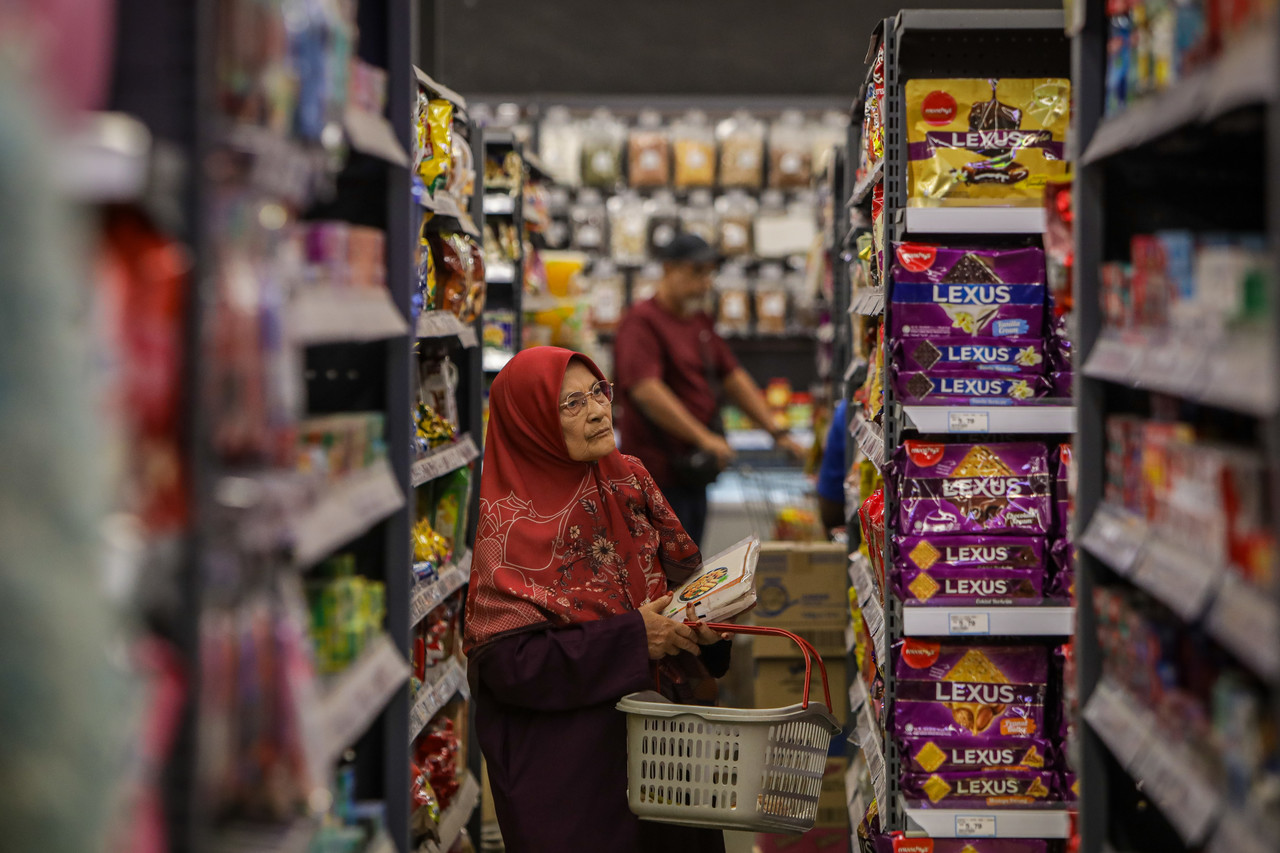
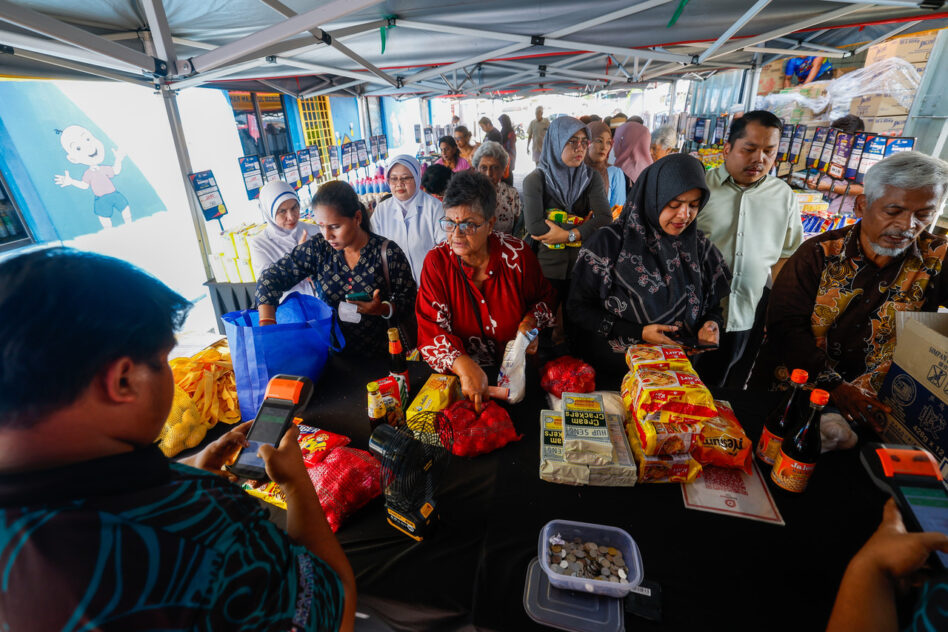
Subsidy rationalisation has generated RM15.5 bil in annual savings from fuel and electricity reforms, while cash transfers under Sumbangan Tunai Rahmah (STR), Sumbangan Asas Rahmah (SARA) and BUDI MADANI continue to provide important immediate relief to households.

As the government refines these measures, there is room to complement them with longer-term solutions that address the cost drivers behind them.

According to Folks DFK Group’s group managing partner Datuk Peter Lim, the government’s efforts through the various subsidies and cash disbursements do alleviate cost-of-living pressures, but they are not a panacea.

“We should strive for more sustainable options and longer-term developmental plans to address the underlying issues,” he opined.

“Very often, housing near public transport nodes is priced at a premium that excludes the very market that would benefit most from it. A better fiscal response would target the cost of housing itself.”

He proposed accelerating affordable housing near employment centres and public transport, incentivising build-to-rent developments and providing targeted rental assistance. He also recommended employer tax incentives and childcare vouchers for lower- and middle-income working families, arguing that childcare support could help strengthen female labour-force participation.

Lim also advocated hiring incentives for B40 workers, fiscal support for micro, small and medium enterprises outside the Klang Valley and Penang, and upskilling opportunities through HRDC and higher education institutions.

Tax and household resilience: Targeting support while closing the gap

Household debt remains elevated, and while debt-servicing capacity is generally healthy, households are feeling the strain.

Private consumption growth has slowed amid rising living costs, underscoring the structural gap between income growth and expenditure.

Lai, BDO Malaysia’s Executive Director and Head of Tax Advisory, said assistance should better reflect household circumstances rather than rely solely on income thresholds.

“Budget 2027 must refine subsidy targeting while also addressing this gap. Eligibility should move beyond static income thresholds to include household size, dependants, disability status and regional cost-of-living differences,” he remarked.

“A transitional support tier for vulnerable M40 households would avoid the cliff-edge effect where small income changes result in complete loss of assistance.

“The scope of SARA could be expanded to cover essential expenses such as childcare, eldercare, education and basic healthcare, ensuring targeted support better reflects the evolving needs of Malaysian households.”

Lai also called for incentives supporting healthier food choices, regular screenings and preventive healthcare, citing the National Health and Morbidity Survey 2023, which found that 15.6% of Malaysian adults had diabetes.

Meanwhile, Wong, BDO Malaysia’s Director of Tax Advisory, proposed tax incentives for dedicated housing savings accounts to help first-time buyers build deposits without relying excessively on debt.

He cited Singapore’s Central Provident Fund housing framework and Canada’s First Home Savings Account as models Malaysia could consider.

“Complementing existing EPF housing withdrawals with a savings-led approach, could improve housing affordability while reducing reliance on excessive household debt,” he said.

“Simultaneously strengthening income growth through upskilling and reskilling incentives in high-value sectors like AI, cybersecurity and renewable energy will help households keep pace with rising costs.”

Retirement: Strengthening long-term security

(Image: Homage Malaysia)

Retirement adequacy was another priority. Employees Provident Fund (EPF) data reported in July showed that its i-Legasi initiative had facilitated RM46.3 mil in retirement savings transfers to 86 beneficiaries.

“Raising the Private Retirement Scheme (PRS) tax relief limit beyond RM3,000 is overdue,” Wong noted.

“Although this tax relief has been extended until YA2030, the current threshold may no longer adequately reflect rising living costs and longer life expectancy.”

Wong also proposed additional relief for consistent contributors, double tax deductions to encourage employer participation and incentives for contributions to spouses’ or parents’ retirement accounts.

“In addition, we should reward consistent contributors with additional relief after five consecutive years, encourage employer participation through double tax deductions, and support family-based retirement planning with tax reliefs for contributions to a spouse’s or parents’ accounts,” he added.

Added Lai, tax incentives for estate planning instruments, including hibah, wasiat, wills and trusts, to encourage orderly wealth transfers across generations.

He also said strengthening Malaysia’s Single Family Office framework could support retirement planning and develop the country’s private wealth management sector.

The contributors said Malaysia’s fiscal progress should provide a foundation for reforms that address household costs, healthcare affordability and long-term financial security.

They argued that Budget 2027 should ultimately be judged not only by deficit reduction, but by whether households experience meaningful and lasting improvements in their financial well-being.

“The test of fiscal recovery is whether households experience tangible relief — and this Budget must deliver,” they said. ‒  Focus Malaysia

Buy Now, Pay Later: When today’s convenience becomes tomorrow’s debt


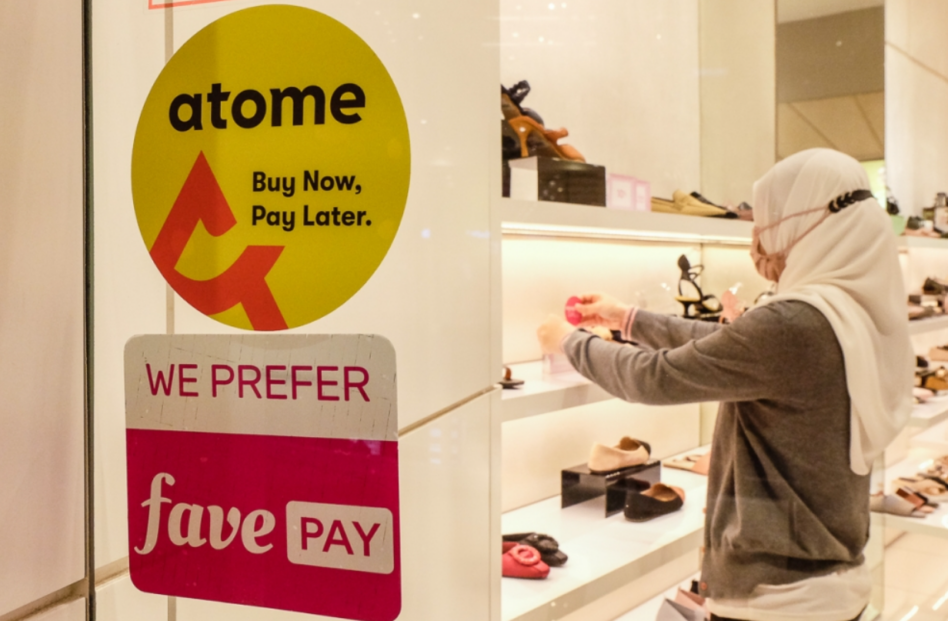
The Malaysia Consumers Movement (MCM) has expressed concern reports that Malaysian youths have accumulated RM5.4 bil in Buy Now, Pay Later (BNPL) purchases, saying this development should prompt serious reflection on the growing normalisation of consumer credit particularly among Malaysian youth.

While BNPL is often marketed as a convenient and flexible payment option, MCM cautions that convenience should not be mistaken for affordability.

“The ability to purchase something today does not necessarily mean a consumer has the financial capacity to pay for it tomorrow,” it stressed.

“Our concern is not merely the amount being spent, but the spending behaviour that BNPL could encourage.

“By breaking purchases into seemingly manageable instalments, BNPL risks weakening financial discipline, encouraging impulse purchases and creating a false sense of affordability.”

This is particularly concerning for younger consumers who may have limited disposable income, inadequate savings and competing financial commitments.

Multiple small instalments across different platforms can quickly accumulate into a substantial monthly financial obligation.

“MCM believes that access to credit should not become a substitute for purchasing power,” the group continued.

“We must be careful not to cultivate a generation that becomes accustomed to borrowing for everyday consumption before developing the discipline to save and spend within its means.”

At the same time, the group recognises that BNPL can serve a legitimate purpose when used responsibly.

The issue is therefore not simply its availability, but how aggressively it is promoted, how transparently its risks are communicated and whether adequate safeguards exist to protect consumers.

(Image: Malay Mail)

“In this regard, MCM calls for a more responsible approach involving regulators, BNPL providers, retailers and consumers,” it said.

“First, stronger affordability assessments are necessary. Credit should not be extended solely on the basis of convenient digital onboarding or repayment history.

“Providers must exercise greater responsibility in assessing consumers’ ability to meet their financial obligations.

Second, BNPL marketing practices warrant closer scrutiny. Promotional messages that emphasise instant gratification, minimal upfront payments or effortless approval should be balanced with clear disclosures of repayment commitments, penalties and the consequences of missed payments.

“Third, greater transparency and oversight are needed. Consumers should be able to understand their total outstanding BNPL commitments, while policymakers should have sufficient visibility of emerging patterns of indebtedness, particularly among younger age groups.

“Fourth, financial literacy must go beyond awareness campaigns. Young Malaysians need practical financial education that strengthens budgeting, savings discipline and the ability to distinguish between essential expenditure and discretionary consumption.”

The group went on to encourage retailers to exercise restraint in positioning BNPL as a default or preferred payment method, particularly for non-essential purchases, saying commercial efforts to increase sales must be balanced against the longer-term financial well-being of customers.

“Ultimately, the growth of BNPL should not be celebrated purely as an indicator of digital payment adoption or consumer spending,” MCM noted.

“Its success must also be measured against responsible borrowing, repayment sustainability and consumer financial resilience.”

It also emphasised that Malaysia should be building a generation of financially empowered consumers, not one increasingly dependent on deferred payments to sustain consumption.

“MCM therefore urges all stakeholders to take a proactive rather than reactive approach,” it said.

“The objective should not be to eliminate responsible credit options, but to discourage unnecessary borrowing and ensure that innovation in financial services does not come at the expense of consumer welfare.” ‒  Focus Malaysia

Drug busts abroad put Malaysia’s airport security under scrutiny, says MCA Youth leader

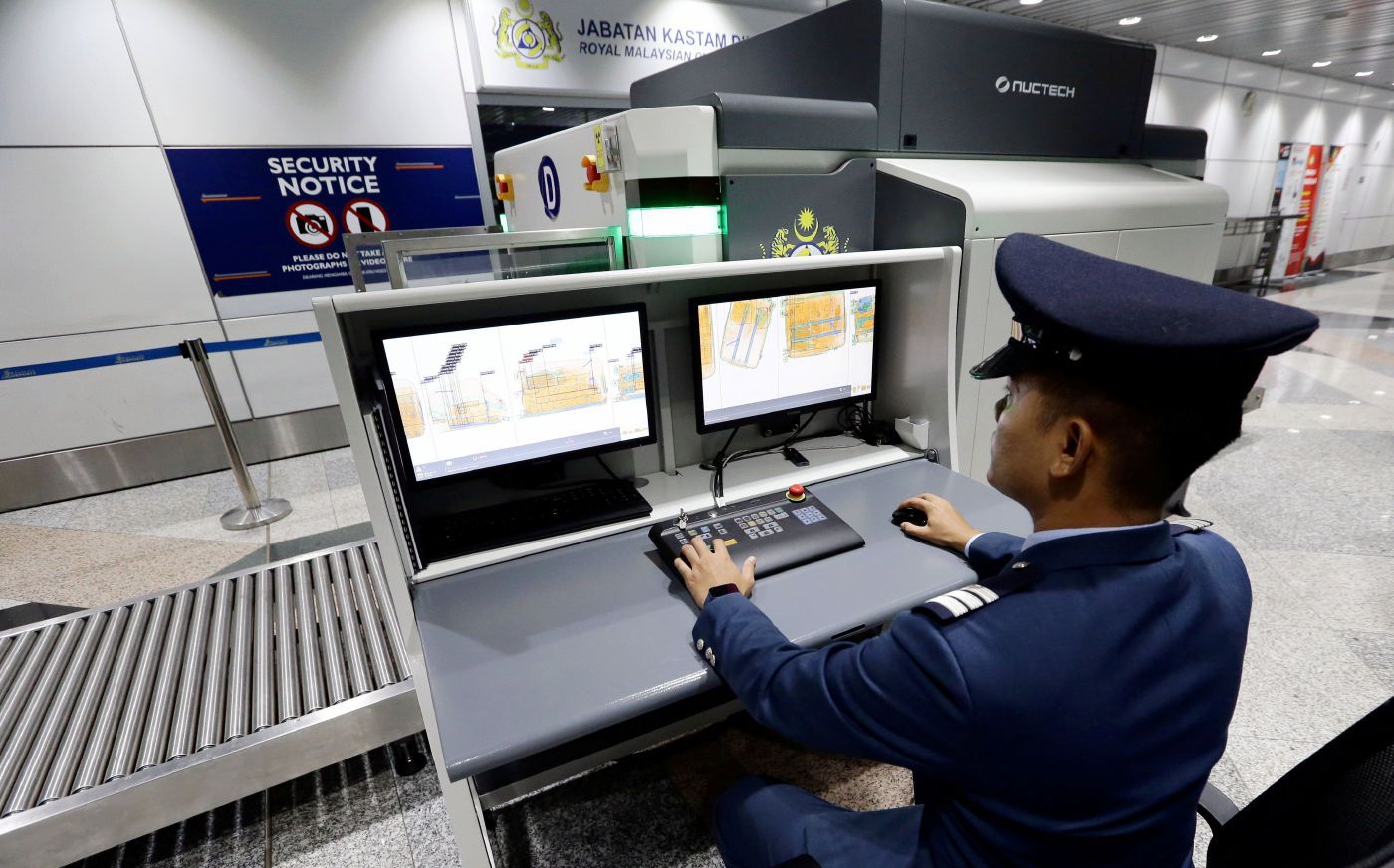
 KLIA Kastam

REPEATED arrests of Malaysians overseas in alleged drug-smuggling cases have raised questions about airport screening procedures, prompting MCA National Youth Deputy Chairman Mike Chong Yew Chuan to call for greater accountability and a transparent review of border security.

The latest case involves five Malaysians arrested at Haneda Airport in Tokyo on Oct 10 after Japanese customs officers allegedly discovered about 5kg of cocaine concealed in their shoe insoles.

According to Bernama, six Malaysians aged between 19 and 26 departed from Kuala Lumpur International Airport Terminal 2 on Oct 9.

Five were arrested in Japan, while the sixth returned to Malaysia. Five of the six were from Sarawak, and none had a criminal record, Bukit Aman Narcotics Crime Investigation Department director Comm Datuk Hussein Omar Khan said on Oct 14.

Japanese authorities are investigating the source of the drugs and the suspected international smuggling network. Bukit Aman is also sending a team to Japan to gather information and investigate possible links to syndicates operating in Malaysia.

Chong emphasised that these successive incidents raise serious questions about the effectiveness, accountability and integrity of our border security agencies.

“How could individuals allegedly carrying substantial quantities of illegal drugs pass through Malaysia’s airport security and border controls undetected, only to be arrested by foreign authorities upon arrival?” he asked.

“In the latest case, five individuals reportedly travelled together carrying cocaine concealed in their footwear. This is not a minor oversight that can simply be brushed aside.

“How did our screening systems fail to detect such a significant quantity of drugs? Are we dealing with scanner deficiencies, procedural failures, human error or, more seriously, possible misconduct among those entrusted with protecting our borders?”

Calling for the Royal Malaysian Customs Department, Aviation Security (AVSEC) and the Ministry of Transport to provide clear answers, Chong said the public deserves to know whether established screening procedures were followed and what measures are being taken to prevent similar incidents.

The Haneda case follows other high-profile incidents involving Malaysians detained abroad.

In July, Indonesian authorities arrested a 39-year-old Malaysian pilot at Soekarno-Hatta International Airport in Jakarta after allegedly finding more than 70,000 ecstasy tablets weighing about 25kg, along with methamphetamine, in his luggage.

Malaysia’s Border Control and Protection Agency subsequently said the pilot had passed security screening in Malaysia before being arrested in Jakarta. The case prompted Malaysia Aviation Group to introduce mandatory drug testing and tighter screening measures for its pilots.

In a separate case reported on Sept 29, five Malaysians were detained at Soekarno-Hatta Airport over the alleged smuggling of about 5kg of etomidate concealed in their footwear.

Indonesian police said the substance was confirmed by laboratory testing and that investigations led to the arrest of another suspect allegedly connected to the operation.

These cases involve different substances and circumstances, and do not necessarily indicate a single method of operation.

According to Chong, the government should not wait for foreign authorities to expose potential weaknesses in the country’s security systems before taking action.

“An independent review of airport screening and border control procedures is necessary, with appropriate action taken against any officers found to have committed misconduct or negligence,” he remarked.

Chong further noted that every incident involving alleged drug smuggling damages Malaysia’s reputation and undermines public confidence in the country’s enforcement agencies.

He said the authorities cannot continue treating these cases as isolated incidents without addressing possible systemic failures.

“The fundamental question remains: how did these suspects leave Malaysia undetected, and when will the authorities take responsibility?” Chong questioned.

“Malaysians deserve more than assurances. They deserve accountability, transparency and decisive action to safeguard our national security.” ‒  Focus Malaysia