


TI-M warns it could affect confidence in Malaysia’s anti-corruption efforts, while Bersih questions its implications for future pardons.
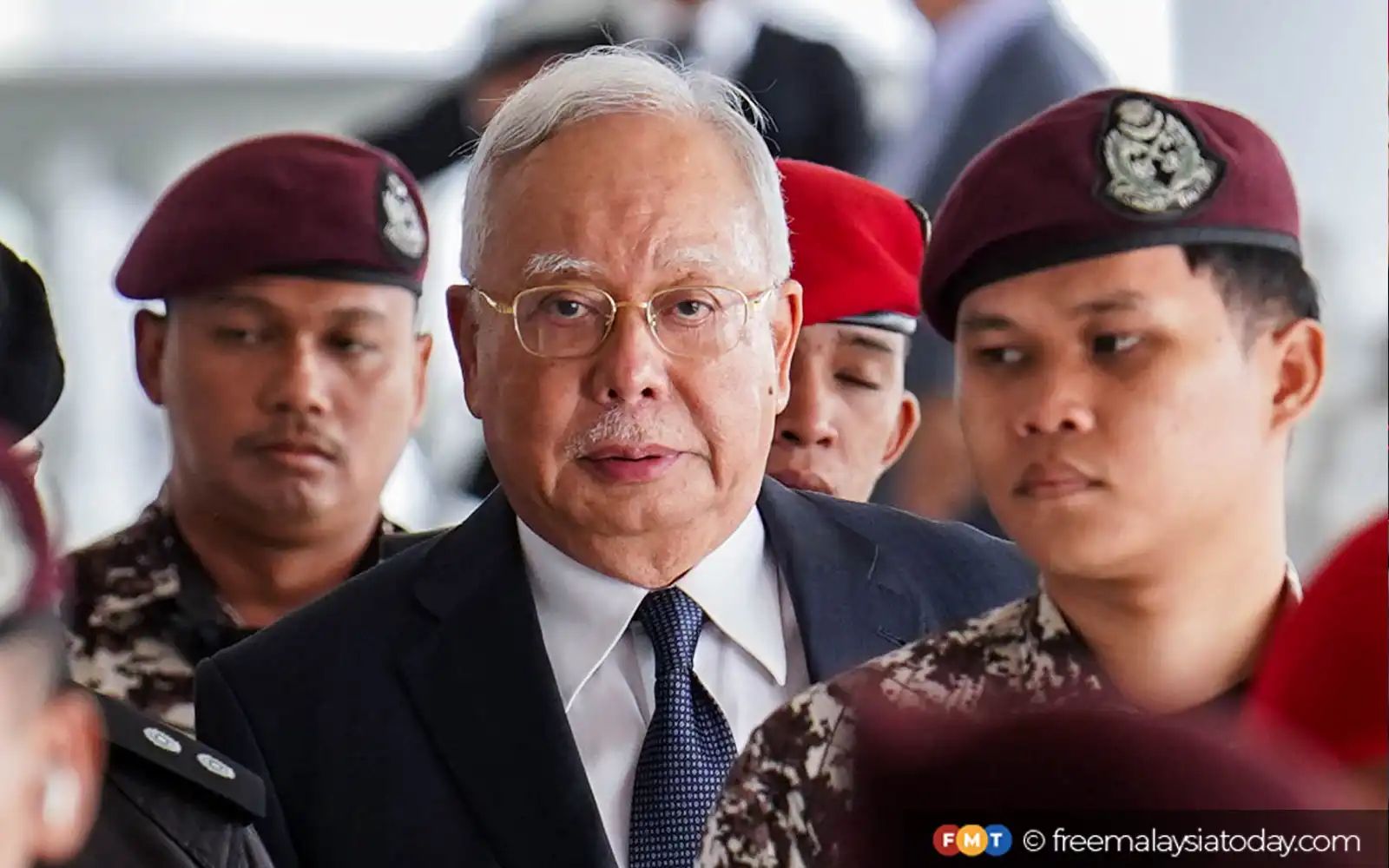
Transparency International Malaysia (TI-M) said while it respected the constitutional power of clemency under Article 42 of the Federal Constitution, “exceptional treatment” could reinforce perceptions that politically influential individuals face different consequences from ordinary offenders.
“It may also set expectations for similar treatment in future cases involving grand corruption and financial crime, potentially weakening the deterrent effect of Malaysia’s anti-corruption framework,” its president, Raymon Ram, said.
Raymon said while no single decision determines a country’s score in Transparency International’s Corruption Perceptions Index, high-profile cases could affect the wider perceptions on which the index is based.
“The country has invested significant effort in strengthening governance and rebuilding institutional confidence.
“That progress must not be undermined by perceptions of preferential treatment in cases that have come to symbolise Malaysia’s fight against grand corruption,” he said in a statement.
Election watchdog Bersih said today’s decision sent a “deeply confusing message” to the public, given the government’s stated commitment to fighting corruption.
“On the one hand, we fight against corruption and abuse of power; on the other hand, those who are implicated and sentenced for corruption and abuse of power can be released,” the group’s steering committee said in a separate statement.
Bersih stressed that opposition to the decision should not be construed as disrespect towards the Yang di-Pertuan Agong, but said it was concerned the decision would set a precedent for future pardons involving other convicted former leaders.
It said it would convene with civil society, youth and student groups to determine its next course of action.
Najib was granted a conditional pardon by the Yang di-Pertuan Agong, Sultan Ibrahim, today allowing him to serve the remainder of his prison sentence in the SRC International case under house arrest until Aug 23, 2028, subject to payment of his RM50 million fine and other conditions.
The legal affairs division of the Prime Minister’s Department said the former prime minister must comply with all the conditions imposed, failing which the conditional pardon would be revoked. It did not provide details of the conditions.
Najib was imprisoned in August 2022 after the Federal Court upheld his conviction for abuse of power and misappropriating RM42 million from SRC International.
He had been serving a reduced six-year prison sentence at Kajang prison after the Federal Territories Pardons Board halved his original 12-year sentence in February 2024. The initial RM210 million fine was also reduced to RM50 million. - FMT

No comments:
Post a Comment
Note: Only a member of this blog may post a comment.