


Prime Minister Anwar Ibrahim, who chaired the first cabinet meeting following a reshuffle, said it was marked by a sense of humility, with the government acknowledging its weaknesses and recognising the growing public expectations for improvement.
“Having said that, am I fully satisfied with the performance? They can ask about me too. I also have my limitations. Given a chance, if I had full authority, I would certainly do it differently, but I am in a coalition.
“I want to make sure that the government is stable. It’s also important,” he was quoted as saying by Bernama last night.
Asked about his expectations of the new cabinet, Anwar said he wants ministers and deputy ministers to improve their performance.
“So the reminder to ministers is to listen to the people, and if the issues raised are reasonable, try to resolve them. Let the ministers project a more courteous image. Listen carefully and strive to improve our performance. That was the advice I gave them this afternoon,” he said.
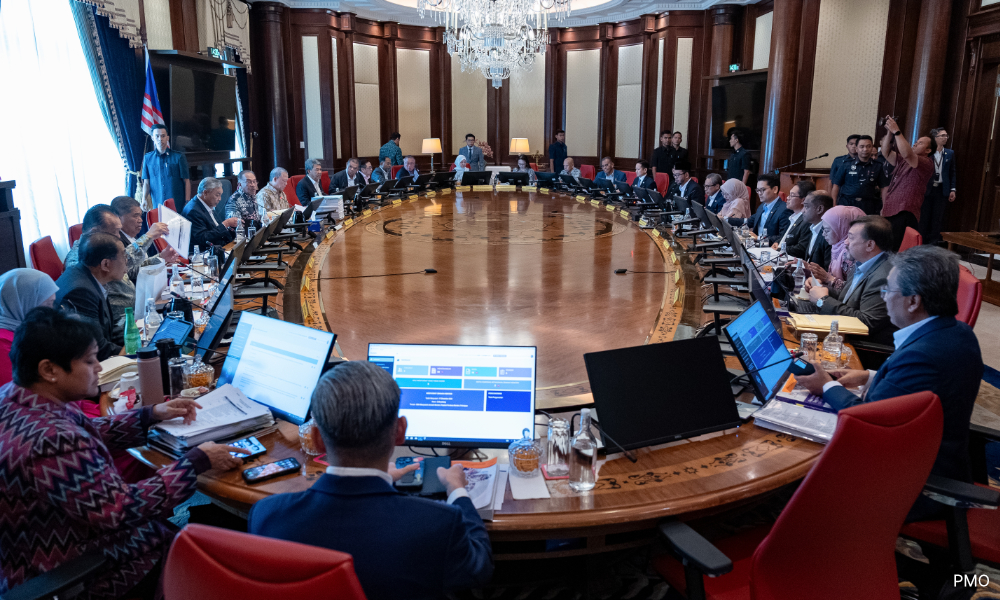
Anwar said that after three years in government, the administration must now move more swiftly and implement reforms more effectively, in line with public expectations.
“Go faster, fast-track, increase pace, and more effective reforms. People expect that. People say the first year is stability, the second year you start reform, the third year, now, we expect you to do more,” he added.
General election ‘not a priority’
Anwar said the cabinet reshuffle was a deliberate move towards leadership regeneration, placing greater emphasis on younger leaders while ensuring political stability within the unity government.
On whether he was ready to call for a general election next year, given Malaysia’s strong economic indicators, Anwar said that it was not a priority.
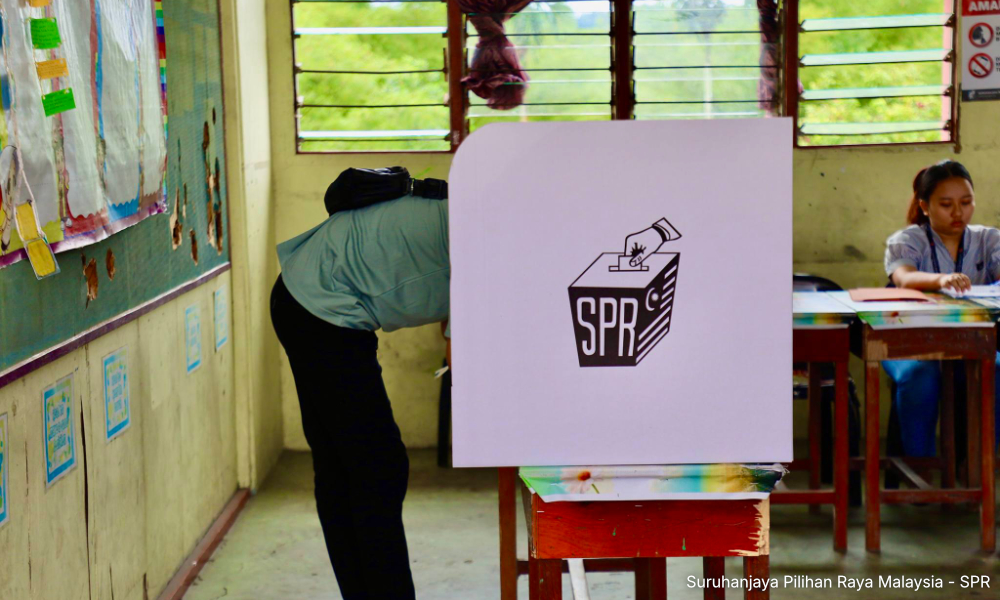
“The elections, we still have a long way to go. I have not thought about elections. I am now focusing on how we continue to implement reforms and alleviate the problems faced by the rakyat, particularly with the higher cost of living,” he added.
‘I’ve been consistent with UEC’
Commenting on the recognition of the Unified Examination Certificate (UEC), Anwar maintained that his stand has remained consistent, while noting that the issue is often politicised.
“To me, the UEC is not the primary issue; it is not merely a matter of rejection or acceptance, but rather viewing it within a broader context - the nation’s history, the national education system, and the need to strengthen the national language,” he said.
Anwar reiterated that the government is committed to empowering Bahasa Malaysia as the national language while in no way denying the importance of English and other languages.
“The year 2026 is no longer the 1950s; we live in a globalised world where proficiency in multiple languages is a necessity. English is important, as are Mandarin, Tamil, and Arabic.
“However, the commitment to strengthening Bahasa Malaysia must remain the foundation of our national identity and unity,” he said.
Anwar announced that he will issue a comprehensive statement regarding the nation’s direction for next year and beyond on Jan 5.
The UEC issue erupted after the Sabah election, when DAP deputy chairperson Nga Kor Ming said a meeting would be sought with Anwar about the recognition of UEC, drawing objections from Umno and other quarters.
The recognition of the UEC is one of the promises mentioned in Pakatan Harapan’s manifesto. - Mkini

No comments:
Post a Comment
Note: Only a member of this blog may post a comment.