

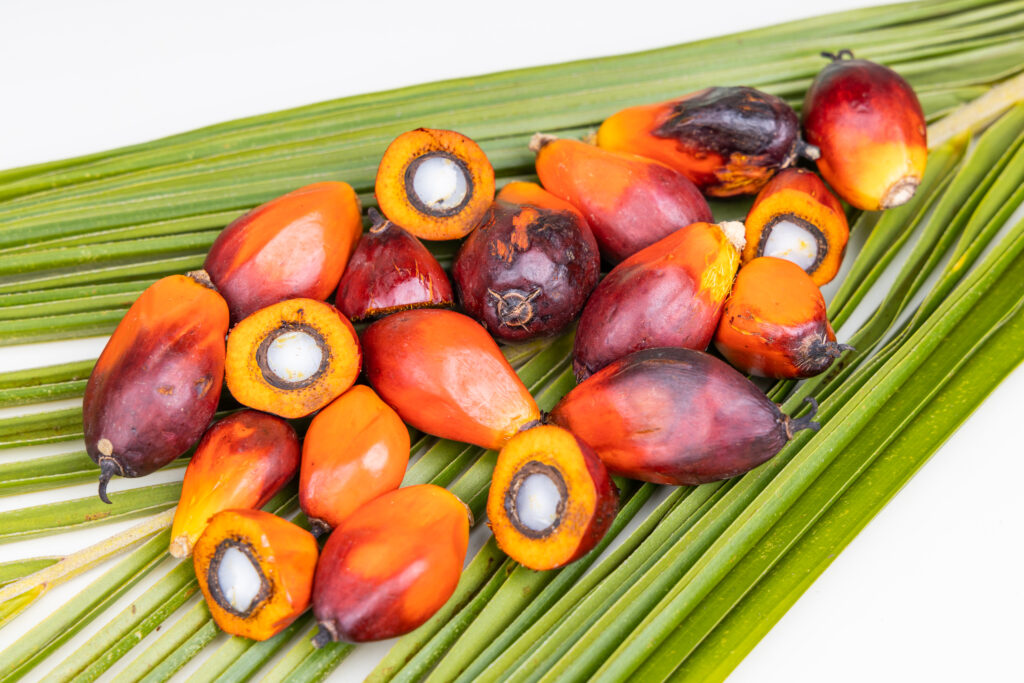
PALM oil remains the key driver of incremental supply. Global palm oil output is projected to strengthen further to 80mn tonnes, supported by better yields, improved estate management practices and more stable harvesting conditions.
As a result, palm oil is expected to account for over 43% of the total increase in global vegetable oil production, reaffirming its position as the primary growth engine within the complex. Following a strong rebound in 2024/25, soybean oil production remains resilient, providing a stable backbone to overall supply with a further 1% increase.
In addition, rapeseed oil production is set to recover more meaningfully, helping to rebuild supply after recent disruptions caused by adverse weather conditions and ongoing geopolitical uncertainties.
“On the demand side, global consumption is forecast to remain firm, rising by 2.6% year-on-year (YoY), largely driven by continued strength in palm oil usage, which we believe is primarily supported by food and biofuel applications,” said TA Securities.
However, the improved supply outlook is expected to help stabilise the global balance. As a result, ending stocks are projected to remain broadly unchanged at 29.8 mil tonnes, while the stocks-to-use ratio improves marginally to 13.1%.

Although still relatively low, this ratio points to a gradual easing of market tightness and suggests that the ongoing supply recovery is beginning to gain traction.
Trade flows, particularly between the US and China, remain an important swing factor for the oilseed complex. Most recently, the US Department of Agriculture announced export sales of 136,000 tonnes of soybeans to China for the 2025/26 marketing year, bringing the total soybean sales to China to 4.2 mil tonnes since October.
“While the 4.2 mil tonnes signal a gradual resumption of buying following a period of subdued trade, we believe the volumes remain modest relative to historical norms of 25-30 mil tonnes,” said TA.
Soybean oil production is expected to remain resilient in 2025/26, although trade dynamics continue to be influenced by lingering geopolitical considerations.
China still sources the majority of its soybeans from South America, particularly Brazil, which keeps processing activity high and ensures ample soybean oil supply globally.
As a result, any recovery in US-China soybean trade is likely to be gradual rather than a full return to previous levels, meaning soybean oil prices may receive some support but are unlikely to increase sharply.
At the same time, China has not formally confirmed these purchase commitments through official statements, highlighting that execution of the agreement remains uncertain. “Nevertheless, we opine that there is a possibility that China could boost purchases later in the marketing year to meet seasonal or longer-term targets,” said TA.
If U.S. soybeans remain price-competitive against South American supplies or if China prioritises stock replenishment, this could lead to higher buying volumes.
At current levels, U.S. soybeans remain more expensive than Brazilian soybeans, partly due to the 13% tariff that is still in effect.
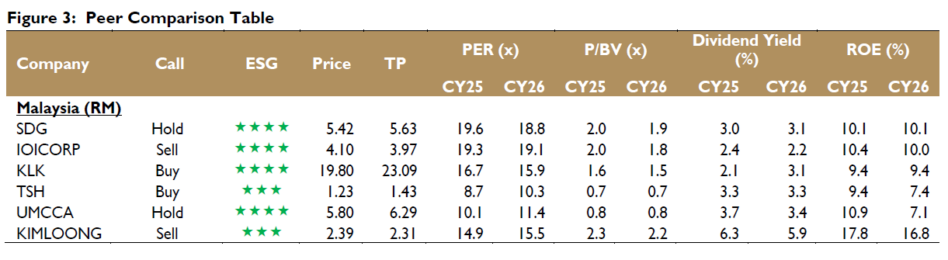
“We maintain our NEUTRAL stance for the Plantation sector,” said TA. Looking ahead to 2026, TA expects crude palm oil prices to moderate, averaging around RM4,000/tonne (-4.8% YoY).
The easing price outlook is underpinned by rising global production, softer export demand, particularly from key importers such as China and India and intensifying competition from alternative edible oils as supply recovers in sunflower and soybean-producing regions. While production growth should support overall yields, the softer price environment would likely keep upstream margins contained, especially for producers with higher cost structures. — Focus Malaysia

No comments:
Post a Comment
Note: Only a member of this blog may post a comment.