


Prime Minister Anwar Ibrahim’s revised cabinet line-up has been perceived as part of endeavours to not only promote calmness within PKR, but also preserve stability among government coalitions.
Political consultant Adib Zalkapli pointed out that the major cabinet shake-up yesterday saw the elevation of several politicians allied with former PKR deputy president Rafizi Ramli, who resigned from his economy minister post in May following his defeat at the party’s polls.
“We can see an attempt by the prime minister to reunite PKR after the last party election (through) the promotion of Rafizi’s allies to the front benches,” the Viewfinder Global Affairs managing director said.
Johor Bahru MP Akmal Nasir was named as Rafizi’s successor, with the PKR central leadership council member having previously served as the deputy energy transition and water transformation minister.
Ledang MP Syed Ibrahim Syed Noh, who has frequently appeared in press conferences alongside other PKR lawmakers aligned with Rafizi, also made his debut at the executive stage via his appointment as the deputy natural resources and environmental sustainability minister.
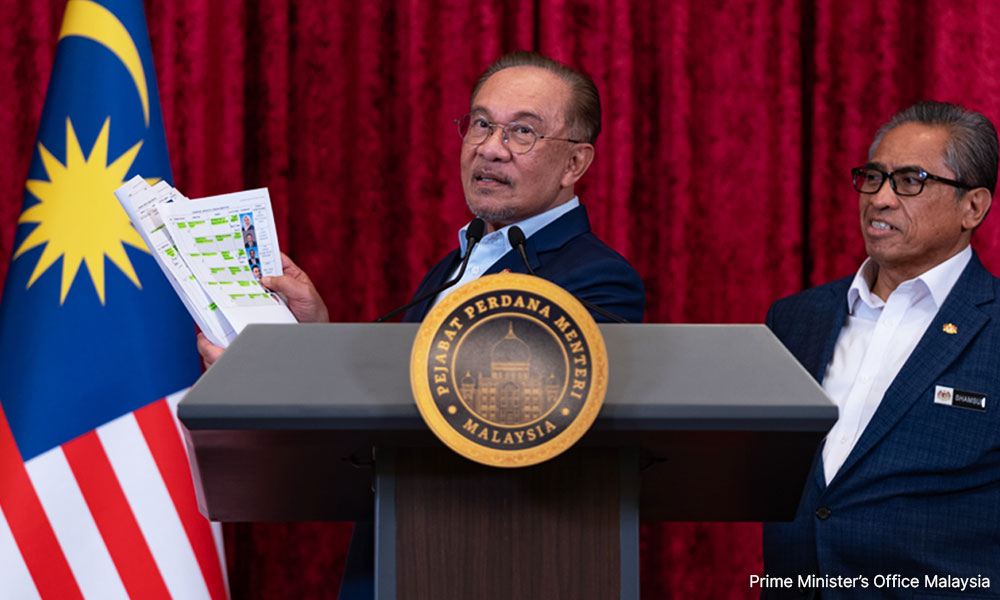
The Natural Resources and Environmental Sustainability Ministry was previously helmed by former PKR vice-president Nik Nazmi Nik Ahmad, who had tendered his resignation as minister hours after Rafizi announced his move to leave the cabinet.
International Islamic University Malaysia political science associate professor Syaza Shukri opined that the latest cabinet appears to be part of efforts by Anwar, as PKR president and Pakatan Harapan chairperson, to manage the “dynamics” within the coalition.
She highlighted that while the inclusion of PKR vice-president R Ramanan in the cabinet as the human resources minister has raised some eyebrows, the decision can perhaps be attributed to how “showing loyalty is valued”.
“(Education Minister) Fadhlina Sidek still being around despite criticisms also shows a mix of compromise to keep loyalists,” Syaza said.
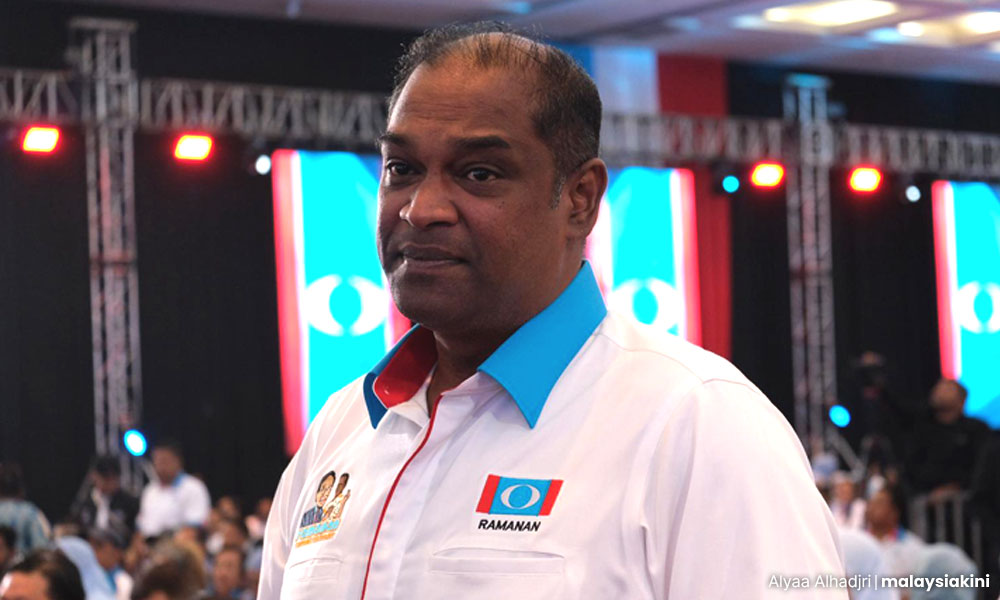
Ramanan, a former deputy entrepreneur development and cooperatives minister, has often been targeted by Rafizi, with the latter frequently questioning the former MIC man’s credibility while insinuating his alleged involvement in money politics.
Ramanan has since denied allegations that he used money politics to buy support during the PKR election earlier this year.
Commenting on the appointment of BN’s Parti Bersatu Rakyat Sabah (PBRS) president Arthur Joseph Kurup as the natural resources and environmental sustainability minister, Adib theorised that the move could be part of the prime minister killing two birds with one stone.
“(Arthur’s cabinet entrance) increases Sabah’s representation in the administration and gives BN a lifeline, not just in Sabah, but it also allows BN to say the coalition is more than Umno.
“It helps Umno to say they are not abandoning their coalition partners,” he added.
The ‘losers’
While he noted that it is too early to determine how parties and coalitions will make use of the new appointments to their advantage, the “losers” of the revamped cabinet are “clearly MCA and MIC”.
“Despite months of posturing and attempts to inflame political tensions within BN and the unity government, they failed to secure a single appointment… PBRS was instead rewarded with a cabinet position,” Adib said.

His sentiment was echoed by Syaza, who said that while BN is the “clear winner” of the cabinet reshuffle, MCA and MIC might continue to be disappointed with no party members in the federal administration.
“But, then again, (MCA and MIC) can’t expect much when they’ve been going after the prime minister and the government,” she said.
In recent months, the two BN component members have openly questioned their continued place in the coalition, claiming that they have been politically sidelined amid pressing concerns on their dwindling electoral presence.
The restructured cabinet now sees PKR holding the largest share with nine ministerial posts, followed by Umno with seven ministers, Gabungan Parti Sarawak (GPS) and DAP with five each, Amanah (two), and one each for Gabungan Rakyat Sabah (GRS) and PBRS.
‘Predictable’ figures
Universiti Teknologi Malaysia’s Faculty of Social Sciences and Humanities director Mazlan Ali said the new cabinet reveal did not feature many surprises as most of the appointments, particularly to high-profile ministries, were made from among “predictable” figures.
However, he labelled Marhamah Rosli’s appointment to be the new deputy minister in the Prime Minister’s Department (Religious Affairs) as “shocking” and “unexpected”.
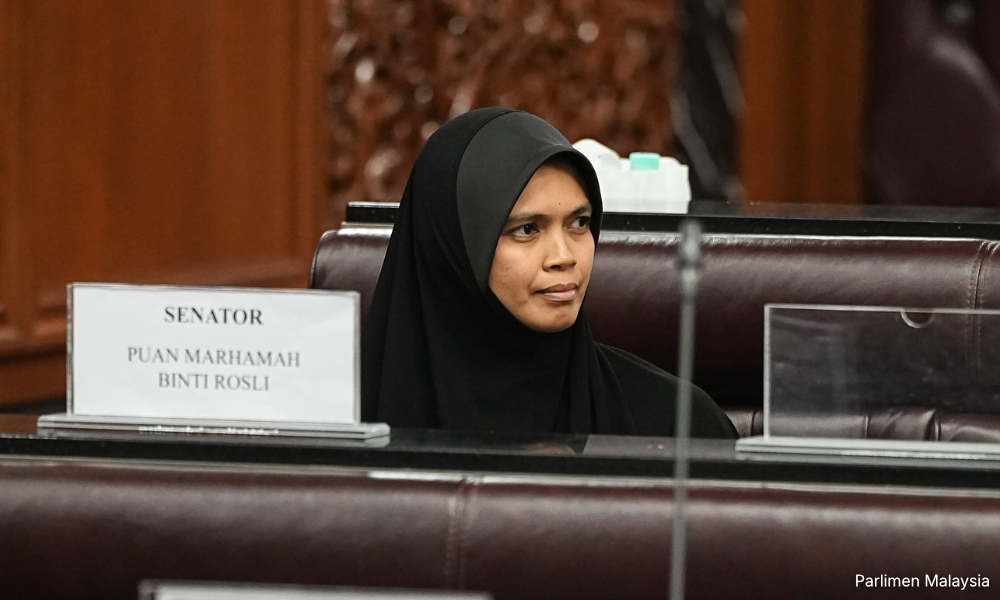
Earlier today, Marhamah’s uncle, former PKR leader and Islamic preacher Badrulamin Bahron, had come to her defence after criticisms were levelled at Anwar over his selection of the activist.
Amanah Youth executive council member Ahmad Azri Abdullah had also questioned Marhamah’s appointment, asserting that the matter was a blow to the party, which he said has a host of candidates more suitable for the position.
Azri listed Amanah deputy president and former religious affairs minister Mujahid Yusof Rawa, Pulai MP Suhaizan Kayat, and Amanah Youth chief Hasbie Muda in lamenting why Amanah had been seemingly overlooked. - Mkini

No comments:
Post a Comment
Note: Only a member of this blog may post a comment.