An earlier article proposing that the National Unity Ministry, through its latest advisory council, undertake a comprehensive review of the New Economic Policy (NEP), generated thought-provoking responses from more than a few readers.
Although much of the feedback has been personal, they provide insights into the engrossment and deep interest that the subject, with its myriad ramifications, has for Malaysians and observers from countries that have similar race-based affirmative action programmes.
To summarise the reaction, the majority were critical of the NEP and its failure to achieve what was set up as its “overarching goal of national unity”.
Various reasons were advanced to explain the opposition to the NEP, and details were provided on how and why the failure happened.
Some commentators referred to the research and published material on the NEP that is available on the internet. Others drew on personal experiences to explain their opinions and conclusions.
Underlining the negative responses and pessimism was the almost unanimous opinion that the government - present and future - is highly unlikely to abandon race-based policy initiatives, however much these may undermine national unity and social cohesion concerns.
Ultimately, the catalyst for policy change and reform lies in the hands of political parties and the political and supportive elite, where decision-making power resides.
However, understanding the defeatist and negative popular sentiments on the NEP may be able to provide a way towards improvement and closure of race-based affirmative policies and their divisive impacts.
A non-starter subject
Existential issues and questions often are avoided because raising or discussing them can be frightening, impractical, or lead to a sense of meaninglessness.
Some reasons why questions on the NEP are not brought out more prominently into the public limelight include
Fear and anxiety: The uncertainty of what happens after the NEP has been overwhelming among beneficiaries and has triggered fear and dread if the policy is aborted. Opposition is especially pronounced among favoured elite beneficiaries with political clout, although diversionary attention has been focused on the perceived losses to the larger community.
Perceived impracticality and unanswerability: Many people view NEP questions as unanswerable, given the ethnic distribution of power. The pursuit of a definitive answer may seem pointless, especially to the younger generation.
Social and cultural norms: Culture generally encourages focusing on getting ahead and going along with the systems of power and authority in Malaysia, whether racial, religious or other. Questioning is discouraged while contestation is seen as inviting retaliation.
Coping by acceptance: Many educated Malaysians reach a point where they choose to focus on living in the moment. Most accept the status quo in policies and are critical or even contemptuous of those who appear stuck in a cycle of what is regarded as futile questioning.
Perhaps the most important reason for the present deafening silence on the NEP is the self-censorship and institutional barriers, and capture of the policy space in the country.
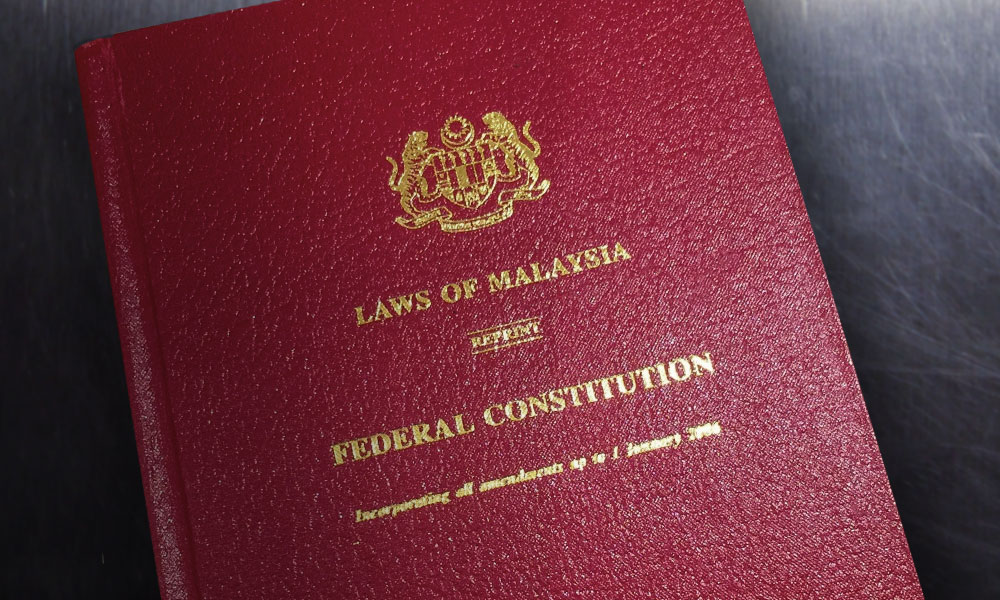
Many think that it is an offence to question what has been touted as sacrosanct and immutable “social contract” issues relating to the Federal Constitution - since then seen as extended to NEP policies.
Apart from deciphering the factors of fear and opportunism inhibiting the free expression of opinion, a key dimension in the analysis of the NEP needs to focus on the implementers of the policy.
Civil service and NEP
At the time of its initiation, the government promised that part of the two prongs of the NEP policy aiming at the reduction in the identification of economic function with ethnicity was its application to both the private and public sectors.
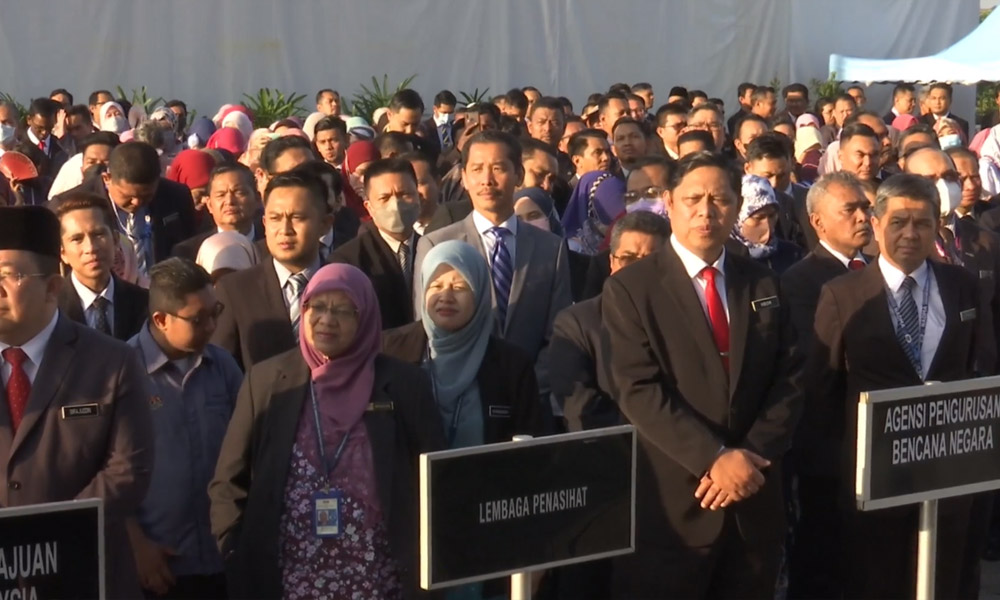
Not only has this not taken place in the public sector, but its ethnic composition has become even more uneven and lopsided, as seen in the data below.
1970 civil service composition
Malays and other indigenous groups (bumiputera) already formed the majority of the civil service at the time of the NEP. Available data indicated that Malays accounted for approximately 60 percent of the total civil service.
In the top rungs of the civil service, Malays filled 39.3 percent of the positions. This highlights that while they were the majority overall, their representation was lower in the highest administrative and managerial roles.
Non-Malay representation consisted of the Chinese share of around 18.8 percent and the Indian share of around 15.7 percent.
Circa 2025 civil service composition
The total number of civil servants (excluding police and military) was reported to be around 1.3 million to 1.6 million as of late 2024 and early 2025.
The overall percentage of bumiputera (Malays and other indigenous groups) in the civil service is consistently reported to be around 90 percent in recent years, reflecting a long-standing trend influenced by the NEP.
Current estimates place the Malay share at 77.5 percent, Sabah and Sarawak bumiputera share at 22.1 percent, Chinese share at 5.7 percent, Indian share at 3.8 percent and Orang Asli share at 0.2 percent.
Malays now hold an overwhelming majority of top management positions. In 2022, Malays accounted for over 80 percent of top decision-making posts. This has probably increased.
Biggest elephant in the NEP room
From the data, it is evident that both policy and the body of implementers need scrutiny in the quest for social cohesion and national unity. Also that a representative and multiracial civil service should be a key national priority.
Concern over the under-representation of other communities and East Malaysia native communities at the higher levels of the civil service has lately been growing in part due to the regional disparities in development.
Finally, but not least, democratic norms call for a representative, impartial and neutral bureaucracy not only to ensure that public policies are responsive to the legitimate needs of all citizens in a fair and equitable fashion but also to ensure that there is an absence of racial bias in the individual or collective.
Addressing the unfinished agenda of the NEP should be a critical part of the nation’s concern.
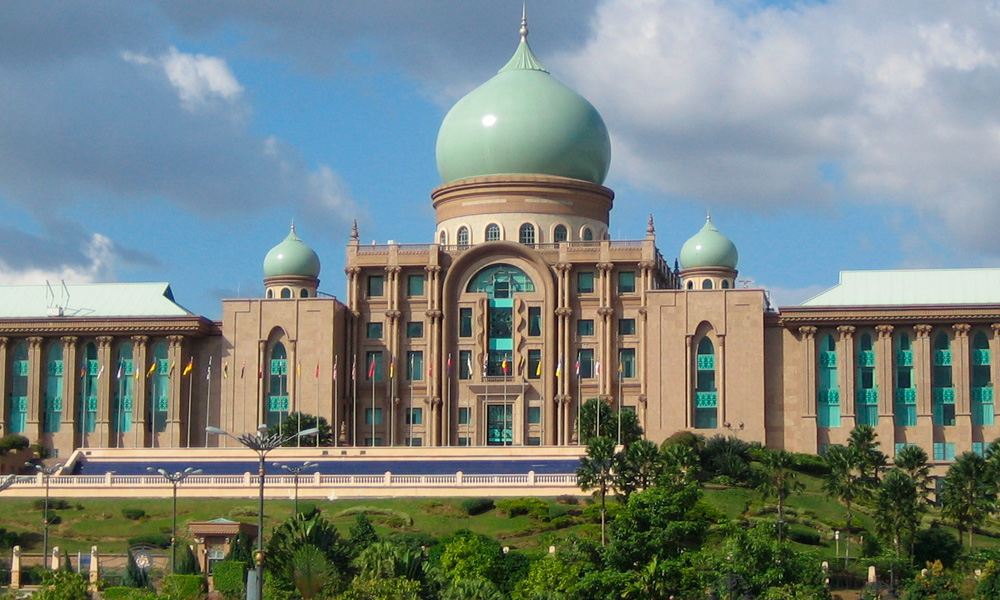
This reminder is especially pertinent to the politicians in power and the senior civil servants in the central agencies such as the Prime Minister’s Office, Finance Ministry, Economic Planning Unit and other central agencies that dictate NEP policy. - Mkini
LIM TECK GHEE is an economic historian, analyst, and former senior official with the United Nations and World Bank.
The views expressed here are those of the author/contributor and do not necessarily represent the views of MMKtT.



No comments:
Post a Comment
Note: Only a member of this blog may post a comment.