


“The issue of statelessness is not only an Indian or Chinese or non-Malay or non-Muslim issue,” he said in his speech at non-governmental organisation DHRRA Malaysia’s 20th anniversary dinner.
Lau said this was based on his own experience when he accompanied one of the stateless persons who was going to the National Registration Department (NRD) for interviews as part of the application for Malaysian citizenship.
“And I think seeing is believing,” he said as he looked at others who were also going to the citizenship interviews. “You will be able to see that more than half of those who are facing undocumented or stateless issues are mainly the Malays and Muslims. This is my personal visual observations.”
“So for those politicians out there who wish to harp on these issues and use it as a racist issue to gain political mileage, I think it’s time for them to put it to a stop, because it has never been an issue of race and religion, because this is the issues of livelihood, this is the issues of the future of young children.
“And I think we must put in all our resources as much as we can to assist them to build a life in Malaysia,” he said, voicing his appreciation for DHRRA Malaysia and other NGOs’ tireless work on stateless issues.
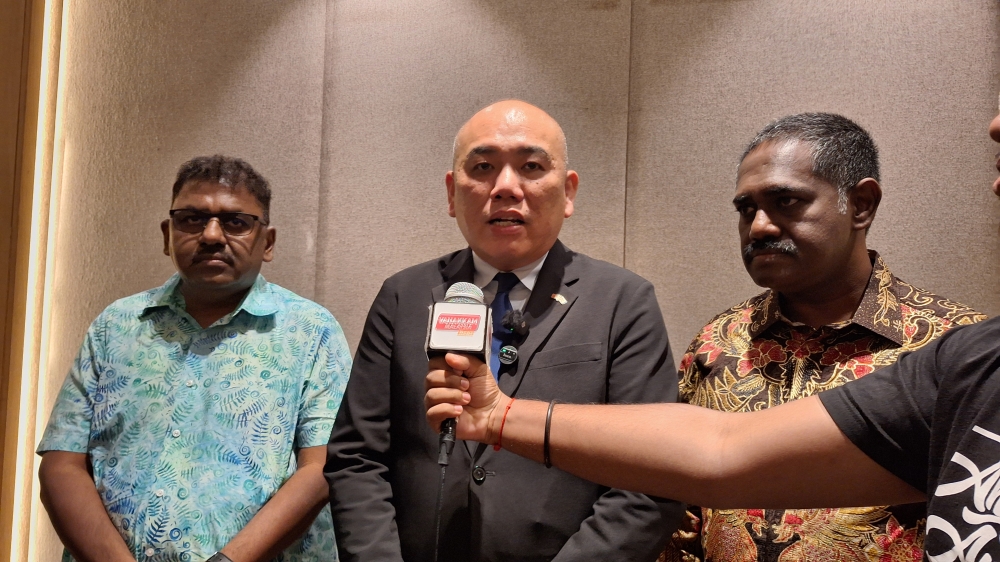
Later, when met after the dinner, Lau explained that his visit to the NRD was several years ago, where he observed that more than half of the attendees were Malay Muslims.
Lau said he had personally spoke to one of the interviewees there who was aged 60 and did not have the relevant papers, adding that this interviewee had travelled all the way from Kota Bharu, Kelantan, to attend the NRD interview with the hope of getting a “blue IC” or Malaysian identity card.
“That was what I heard from one of those who attended these interviews. I think that was probably four or five years ago. I hope the situation would have been much better by now,” he told reporters.
“It’s not an issue that is only linked to a particular race or religion. It is issues or problems faced by everybody,” he said.
“We should give them the best support we can as government and as legislators.
He agreed that lawmakers should work together with the government to solve statelessness: “Solve the problem. Don’t let it prolong. Don’t pass the buck to the next minister or next generation.”
Based on written replies to state assemblyman Pang Sock Tao, which were published on the Selangor state legislative assembly’s website, the Selangor government’s MySel unit — formed in 2008 to help Selangor residents with documentation issues — has received 2,240 citizenship applications and helped resolve 782 such cases during September 2018 to June 2025.
The 1,799 citizenship applications received by MySel from 2018 to October 2024 show statelessness to be a multiracial issue in Selangor, with the applications coming from Malays (520 cases), Chinese (420), Indians (380), Orang Asal (139) and others (340).
Out of the 1,799 citizenship cases, 614 succeeded in their citizenship applications, and it was again multiracial: Malays (210 approvals), Chinese (180), Indians (190), Orang Asal (10), Others (24).
Based on a 2025 written reply to Selangor state assemblyman Nurul Syazwani Noh, MySel’s citizenship applicants include those whose births were not registered within the legally required period; whose parents’ marriage status was invalid; who have incomplete or lost their documents; errors in records or registrations; and those who were adopted or were abandoned as children.
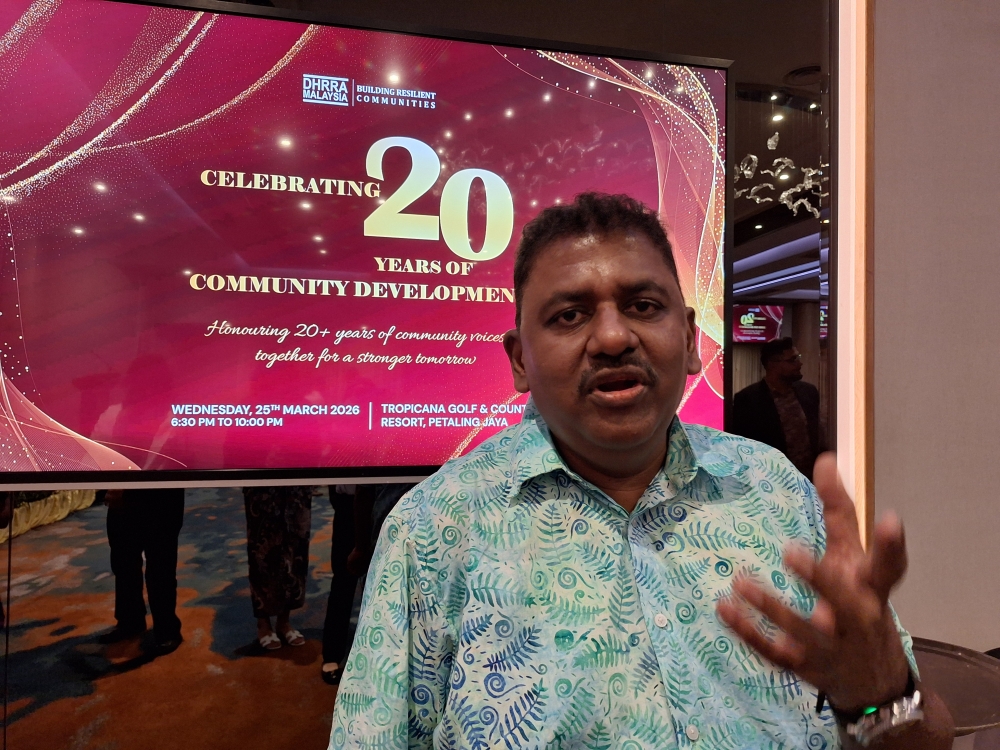
DHRRA Malaysia president Datuk Saravanan M. Sinapan said some people may turn statelessness into a racial issue by suggesting that more ethnic Chinese or more ethnic Indians are getting citizenship, but pointed out the reality where other groups in the country, including those in Sabah and Sarawak, face issues of not having these documents.
He stressed that statelessness is “not an Indian community’s issue”, but it is a “national issue”: “So we want the government to understand this is a national issue and this is a Malaysian key issue”.
Speaking to reporters last night, he highlighted that there is a need for the Malaysian government to have “proper data and mapping” of the number of stateless cases involving those with a Malaysian tie.
For children who are born to a Malaysian father and a non-Malaysian mother who only had a customary marriage and did not have their marriage registered, the birth certificate may record the child’s “keturunan” or descent as Vietnamese or Indonesian, for example, as the government considers the child to have taken on the mother’s citizenship, he said.
“So through that, you cannot identify how many Indians or Chinese have this issue, because the document itself mentions foreigners asking for citizenship,” he said, when referring to how the child would then be considered a foreigner seeking citizenship despite having a Malaysian father.
He suggested the government carry out a mass registration campaign in Malaysia to at least ensure that the birth of all children here can be registered with the NRD, while issues of their citizenship can be addressed separately later on: “At least every child in this country will have an identity under SDG 2030.”
He was referring to the United Nations’ 17 Sustainable Development Goals (SDG), which all UN member states, including Malaysia, have adopted and aim to achieve by 2030, particularly the target under the 16th goal of providing “legal identity for all, including birth registration” by 2030. - malaymail

No comments:
Post a Comment
Note: Only a member of this blog may post a comment.