


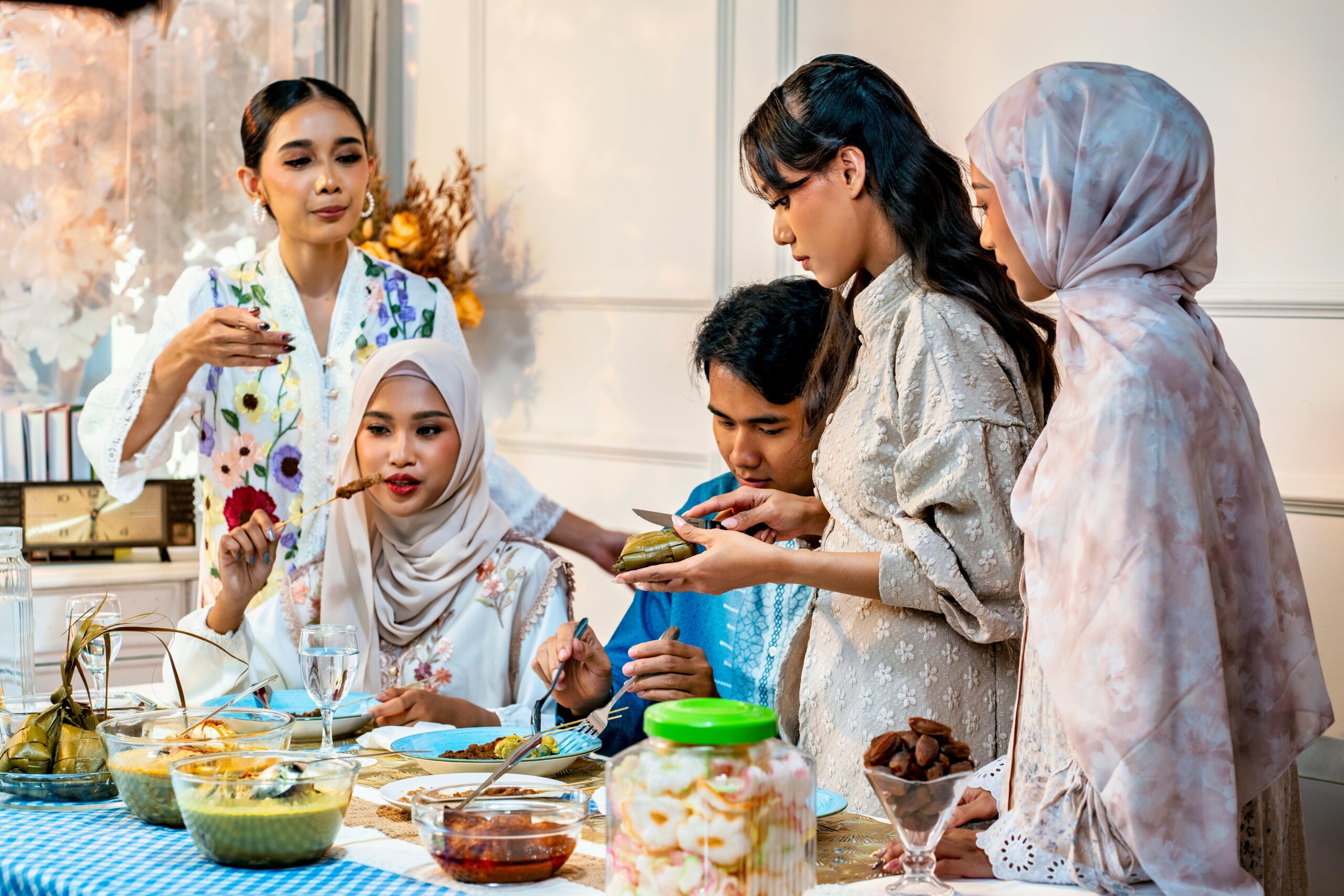
THE morning of Syawal in Malaysia is nothing short of magical. The air is thick with the scent of spices, coconut milk, and roasting meat. Tables groan under the weight of rendang, lemang, ketupat, and endless rows of brightly coloured kuih raya.
And as any Malaysian knows, Eid is not just a single day of celebration; it is a joyous, month-long marathon of open houses and gatherings.
Food is how we express love, hospitality, and connection. Suggesting that we ignore these festive delicacies would not just be unrealistic, it would be missing the point of the celebration entirely.
But as we transition from thirty days of fasting into thirty days of feasting, our bodies experience a profound biological whiplash that is worth paying attention to.
For the past month, your body has been in a state of deep, cellular repair. Because you were fasting for 14 hours a day, your insulin receptors became highly sensitive, resting from the usual constant spikes of blood sugar.
Your cells were busy cleaning out microscopic debris, and your genes shifted into a protective, anti-inflammatory mode.
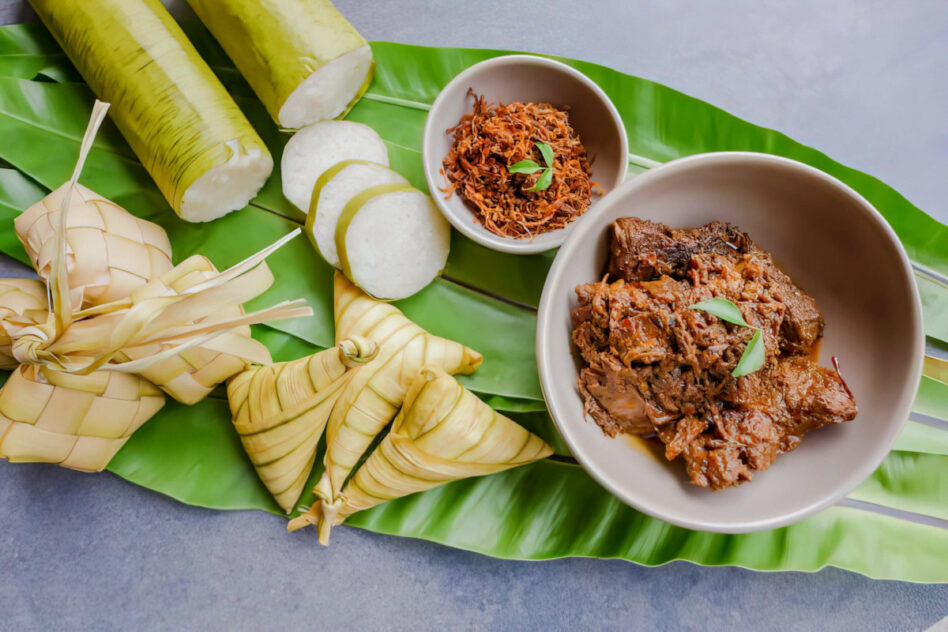
Imagine your metabolism as a car that has been peacefully coasting in neutral for a month. On the morning of Syawal, sitting down to a breakfast of sweet lontong, condensed milk beverages, and sugary cookies is like suddenly dumping a gallon of rocket fuel into that resting engine.
This sudden, overwhelming flood of refined carbohydrates and sugar sends a massive shockwave through your system. Think of your DNA as a master control board equipped with thousands of delicate dimmer switches.
Throughout the fasting month, the switches driving fat storage and chronic inflammation were gently turned down to let your body heal. But with that first sugary bite of the morning, they are cranked right back to their maximum settings.
The genes responsible for storing fat and triggering inflammation are abruptly jolted awake, effectively halting the quiet cellular repair you worked so hard to achieve over the past 30 days.
While adults might feel this shock as a wave of post-meal fatigue or sudden weight gain, this environment is particularly concerning for our youngest generation.
Malaysia is currently battling a unique public health crisis, facing a “double burden” where both under-nutrition and over-nutrition coexist within our population. The numbers are sobering, with 12.7% of children aged 5‒19 now classified as obese.
The pre-school years, spanning roughly from ages 2 to 6, represent a critical window of development. This is the exact time when a child’s dietary habits, physical activity patterns, and metabolic responses are established.
Behaviours and preferences developed during this highly impressionable stage often persist into later childhood and adulthood, significantly influencing their long-term health outcomes.
During the Syawal open house marathon, children are plunged into a highly “obesogenic” environment. They are surrounded by an abundance of calorie-rich, sugary foods and sweet cordials, often with little to no supervision as adults mingle.
Because many of the factors contributing to childhood obesity are highly modifiable, such as dietary choices and physical activity, this prolonged exposure to unchecked sugar can deeply impact their developing metabolic health.
So, how do we navigate the open house season without shocking our DNA or harming our children’s health? The answer lies in graceful transitions, not rigid restrictions.
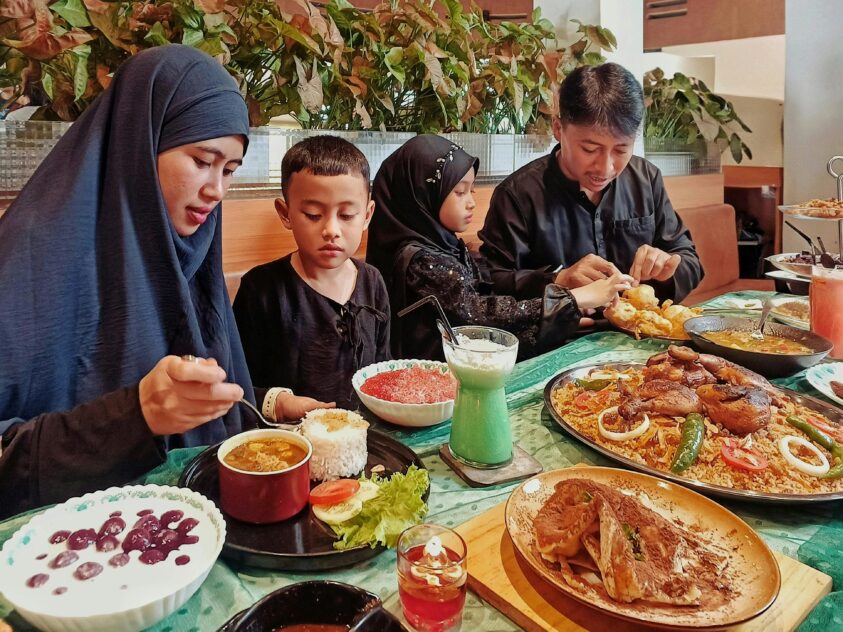
You do not have to skip the rendang or the kuih. Instead, practice the science of food sequencing. When you arrive at an open house, prioritise protein and fibre first. Eating a piece of chicken, some beef rendang, or a serving of vegetables before reaching for the sweets creates a physical buffer in your stomach.
This simple act drastically slows down how fast sugar enters your bloodstream, blunting the insulin spike and keeping those fat-storage genes from going into overdrive.
For the kids, set gentle boundaries before entering a home. Let them enjoy the festive treats, but encourage them to drink plain water instead of sweet cordials, and ensure they have eaten a substantial, protein-rich meal before attacking the dessert table.
Health and celebration do not have to be enemies. We can absolutely honour our rich cultural traditions, visit our loved ones, and enjoy the foods that define Syawal.
By being just a little more mindful of how we break our month-long fast, we can protect our genetic health and teach our children that true wellness is all about balance.
Dr Nikman Adli Nor Hashim is a Senior Lecturer in Microbiology and Molecular Genetics at the Faculty of Science and the Programme Director of Master of Bioinformatics, Universiti Malaya.
The views expressed are solely of the author and do not necessarily reflect those of MMKtT.
- Focus Malaysia

No comments:
Post a Comment
Note: Only a member of this blog may post a comment.