


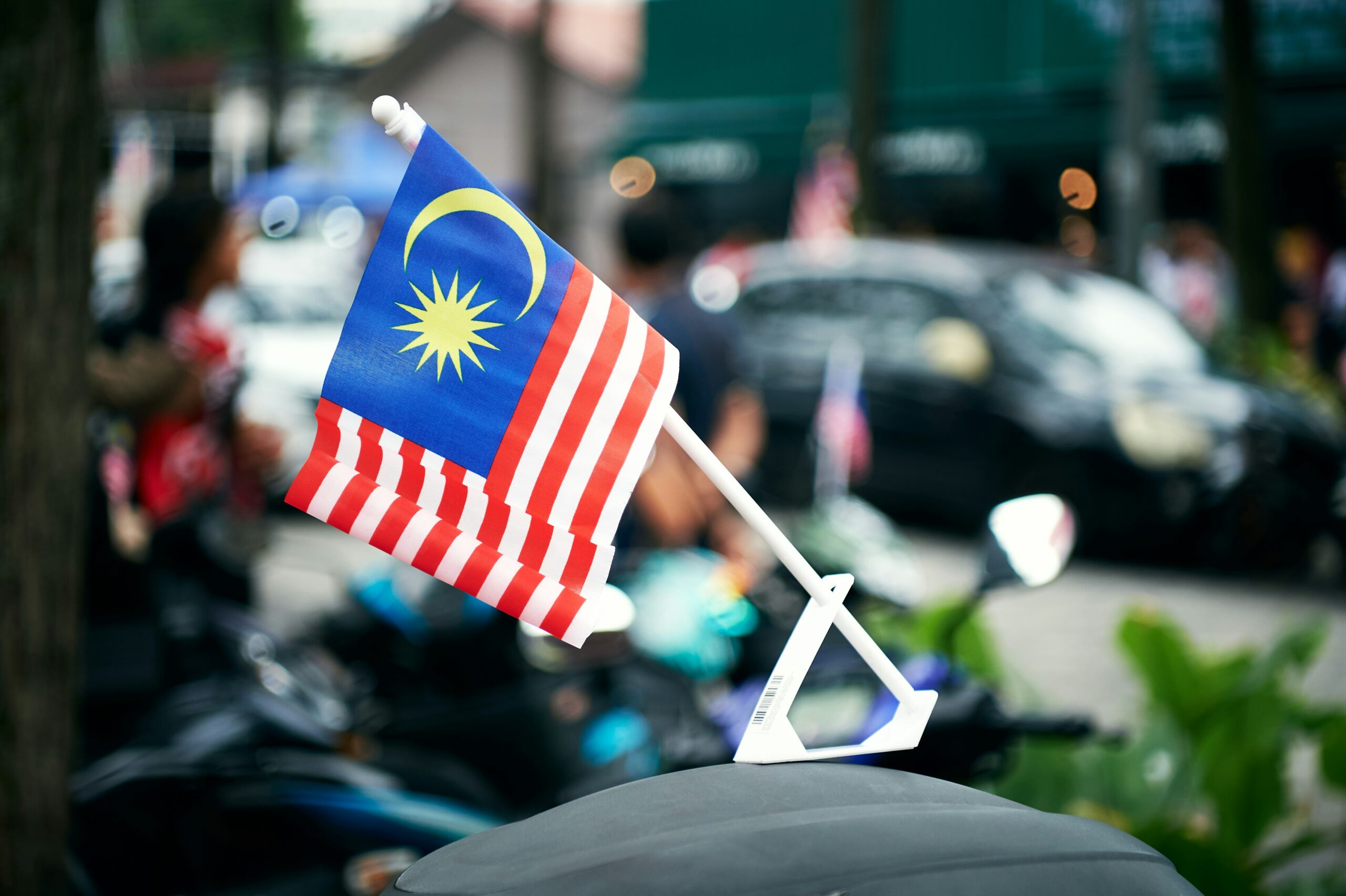
BUILDING a nation isn’t about catchy slogans or grand speeches. It’s about the small, everyday choices our leaders make—who gets help, who gets heard, and who gets left behind.
If Malaysia truly wants to move forward into a future that is innovative, united, and respected, we need one simple shift in mindset: treat every Malaysian as if they matter—like a national asset, not a political tool to be used and discarded when elections are over.
For years, we’ve been told our diversity is our strength. And it is. Malays, Chinese, Indians, Orang Asli, and the natives of Sabah and Sarawak—every community has contributed to building this country but our policies and political discourse have not always reflected that.
When entire groups feel like second-class citizens in their own homeland, the damage is not just emotional. It becomes structural. It seeps into our schools, our workplaces, and our trust in one another.
Look around the world. Singapore and Canada have shown that inclusion is not just desirable—it is strategic. By giving everyone a fair shot, they unlock talent across society. Systems that rank citizens by race or religion, on the other hand, end up wasting that talent. And that cost is borne by the entire nation.
Our brain drain problem proves this. Doctors, engineers, and lecturers are not leaving just for better pay, but for environments where they feel respected and fairly judged. That is not just an economic loss—it is a quiet national failure.
A country that cannot convince its own people of their worth will struggle to convince the world of its potential.
Beyond economics, our social fabric is fraying. Trust is the glue of any society. When people believe the system favours one group over another, resentment builds. People disengage.
Over time, we lose the sense of being one Malaysia. Unity cannot be legislated—it must be earned through fairness and mutual respect.
At the same time, global norms are clear: every individual deserves equal dignity and protection. Malaysia does not need to replicate other countries, but embracing these principles strengthens both our moral standing and international credibility.
Treating every Malaysian as a national asset does not mean ignoring history or existing inequalities. It means shifting from race-based frameworks to needs-based, transparent policies.
Assistance should go to those who genuinely need it—nothing more, nothing less. This is not just fairer; it restores trust in the system.
Start with education. Schools and universities must be genuine pathways for opportunity, where effort and talent determine outcomes.
In hiring, both public and private sectors should prioritise competence and integrity. Institutions, too, must function as impartial guardians of justice, not arenas for political influence.
Leadership matters. Divisive rhetoric may win votes in the short term, but it carries long-term costs. What Malaysia needs is a unifying vision—one where differences are respected, not exploited.
Think of precious metals. Their value does not come from labels, but from their inherent properties and usefulness. The same applies to Malaysians. Each individual brings skills, perspectives, and experiences.
When these are recognised and developed, the nation prospers. When they are ignored, everyone loses.
Malaysia stands at a crossroads. In a rapidly changing world, our future will not be built on natural resources alone, but on people. The real question is whether we are prepared to invest in all of them.
Treating every citizen as a national asset is not an abstract ideal. It is an economic strategy, a social necessity, and a political imperative.
The sooner this principle is embedded into governance and public life, the stronger and more cohesive Malaysia will become.
KT Maran is a Focus Malaysia viewer.
The views expressed are solely of the author and do not necessarily reflect those of MMKtT.
- Focus Malaysia.

No comments:
Post a Comment
Note: Only a member of this blog may post a comment.