


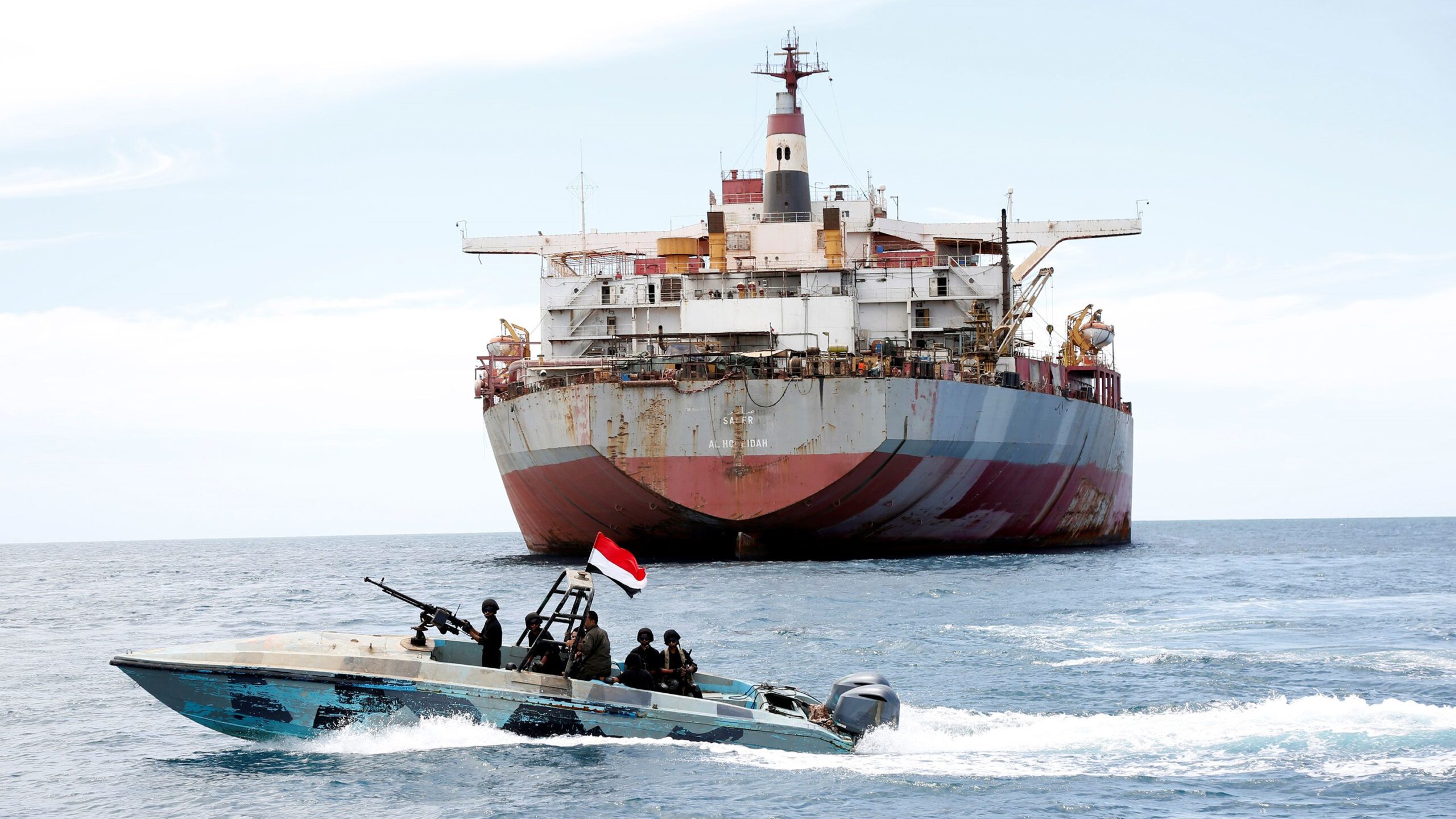
THE evolving conflict dynamics in the Red Sea offer more than a distant geopolitical spectacle; they provide a cautionary lesson for maritime states whose prosperity depends on open sea lanes.
According to Michael Horton, co-founder of Red Sea Analytics International, the Houthis’ strategy of “conditional deterrence”, marked by calibrated escalation and restraint, underscores how non-state actors can weaponise geography without necessarily closing critical chokepoints.
For Malaysia, this has direct relevance. The Strait of Malacca, as one of the busiest and most strategically vital waterways in the world, faces similar latent vulnerabilities, even if the actors and context differ.
The Houthis have demonstrated that control over even part of a maritime chokepoint, like the Bab el-Mandeb, can generate disproportionate strategic leverage. By threatening disruption rather than executing it fully, they preserve both deterrence value and operational sustainability.
Their restraint is not weakness but calculation: a recognition that closing the strait outright would provoke overwhelming retaliation while diminishing their own long-term leverage.
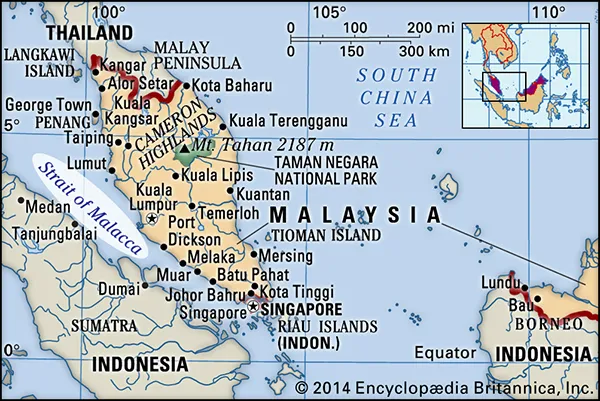
Malaysia must internalise this logic. The Strait of Malacca, which carries roughly a quarter of global trade and a significant share of the world’s energy shipments, is similarly exposed to coercion not only from state actors but also from piracy networks, militant groups, or grey-zone operations.
While the region has largely avoided the kind of sustained conflict seen in the Middle East, it would be a mistake to assume immunity.
A key lesson lies in the concept of “threat as leverage”. The Houthis have discovered that the mere possibility of disruption can alter global shipping patterns, raise insurance costs, and draw in major naval powers. In Southeast Asia, even a limited or symbolic disruption in the Strait of Malacca could have cascading economic effects far beyond the region.
Malaysia, therefore, must think beyond traditional defence postures and consider how to manage both real and perceived threats to maritime security.
This requires deeper cooperation with neighbouring states, particularly Singapore and Indonesia, which together share responsibility for the strait.
Existing mechanisms like coordinated patrols and intelligence-sharing have been effective in reducing piracy, but they may not be sufficient against more complex, politically motivated disruptions.
The Red Sea experience shows that adversaries adapt quickly, blending military tactics with strategic messaging to maximise psychological and economic impact.
Another critical takeaway is resilience. The Houthis’ ability to absorb sustained military pressure while continuing operations highlights the need for redundancy and adaptability in maritime security systems.
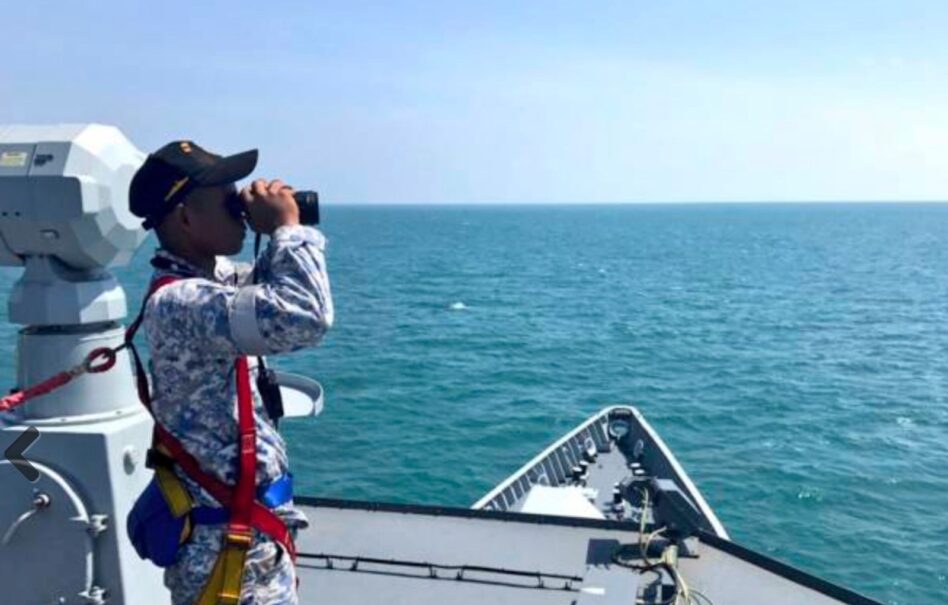
For Malaysia, this means investing not only in naval capabilities but also in surveillance infrastructure, cyber defence, and port security. It also means ensuring that critical economic functions such as port operations and energy supply chains can withstand temporary disruptions.
Equally important is the diplomatic dimension. The Houthis’ posture is shaped not only by their own calculations but also by the interests of external actors, particularly Iran.
Similarly, the Strait of Malacca exists within a broader strategic environment influenced by major powers, including the United States and China. Malaysia must navigate these dynamics carefully, maintaining neutrality while ensuring that external rivalries do not spill over into its maritime domain.
A purely national approach will not suffice. The strait’s security is inherently multilateral, and any credible strategy must involve coordinated policies among littoral states. This includes not only military cooperation but also unified messaging.
One of the risks highlighted by the Red Sea situation is miscalculation, where multiple actors, each pursuing their own objectives, inadvertently trigger escalation. Clear communication channels and shared rules of engagement can help mitigate this risk in Southeast Asia.
There is also a domestic dimension that Malaysia cannot ignore. The Houthis’ strategic behaviour is partly shaped by internal pressures: economic constraints, factional divisions, and the need to maintain political legitimacy.
While Malaysia’s context is vastly different, internal stability remains a prerequisite for effective external security. Economic inequality, political polarisation, or governance challenges could, over time, create vulnerabilities that external actors might exploit.
Finally, Malaysia must recognise that deterrence is not simply about strength but about credibility and clarity. The Houthis’ strategy works because their threats are believable, even if selectively applied.
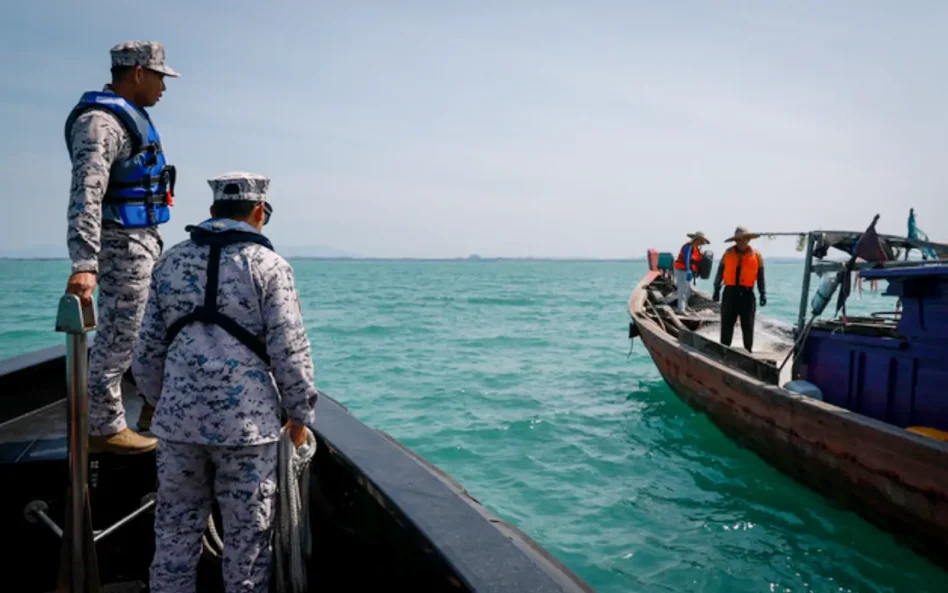
For Malaysia and its partners, this means establishing clear red lines regarding the security of the Strait of Malacca and demonstrating the capability and willingness to enforce them. At the same time, restraint must remain part of the equation. Overreaction to minor incidents could be as destabilising as inaction.
The Red Sea crisis is a reminder that maritime security is no longer just about keeping sea lanes open; it is about managing a complex interplay of threats, perceptions, and strategic calculations.
For Malaysia, the stakes are immense. The Strait of Malacca is not just a waterway; it is an economic lifeline and a strategic asset whose stability underpins national and regional prosperity.
Protecting it will require foresight, cooperation, and a willingness to learn from conflicts beyond the region.
The Houthis’ actions may be rooted in a very different context, but the underlying lesson is universal: control over a chokepoint confers power, and how that power is used or restrained can shape the course of regional stability.
Malaysia cannot afford to wait for a crisis to test these assumptions. The time to act is now, while the waters remain calm.
R. Paneir Selvam is Principal Consultant at Arunachala Research & Consultancy Sdn Bhd (ARRESCON), a think tank specialising in strategic and geopolitical analysis.
The views expressed are solely of the author and do not necessarily reflect those of MMKtT.
- Focus Malaysia.

No comments:
Post a Comment
Note: Only a member of this blog may post a comment.