


Last week, former PKR deputy president Rafizi Ramli made a dramatic stunt that further intensified Malaysia’s already noisy political climate.
He and Nik Nazmi Nik Ahmad have not only resigned as MPs but also taken over a political party.
To many observers, the move appears aimed at weakening Prime Minister Anwar Ibrahim’s leadership. Rafizi and his allies, including several government MPs, seem determined to project an image of the Madani administration on the verge of fragmentation.
Yet despite the political drama dominating headlines, the gravest threat facing Anwar’s government does not come from Rafizi’s new “Kancil Party”, nor from Umno-BN’s decision to contest future state elections independently.
The real danger lies beyond Malaysia’s domestic political theatre.
Looking beyond our shores
Malaysians cannot afford to remain “katak di bawah tempurung” (ignorant) - oblivious to the increasingly precarious global environment surrounding us.
As we witnessed two weeks ago, US President Donald Trump’s recent visit to China returned empty-handed. China refused to intervene or assist the US in ending the conflicts in the Persian Gulf.
The US is now left to face its own messy, illegal wars alone.
READ MORE: US or Iran: Who will win the Hormuz endurance game?
No one knows how much longer the war with Iran will drag on. Yet one thing is certain: its consequences will not be limited to fuel prices alone.
The International Monetary Fund (IMF) warns that severe disruptions could cut global growth to as low as two percent in 2026 and 2027, with inflation exceeding six percent.
Meanwhile, the International Labour Organization (ILO) projects up to 43 million full-time job losses globally by 2027 if oil prices remain 50 percent above pre-war averages. Real wages are expected to drop three percent next year, worsening living standards worldwide.
Beyond energy, the war will potentially destroy food security and industrial supply chains, cause mass job losses, and drive a hike in poverty rates.
Even if the war were suspended tomorrow, the devastating aftershocks may persist for years.
Malaysia’s lucky position, and its cost
Malaysians are somewhat fortunate, thanks to our long-standing independent diplomatic stance. We have leaders, past and present, who have had the foresight to uphold staunch neutrality in a belligerent international climate.
Over the years, we have built good relations with all Gulf countries. Despite heavy external pressure, Anwar remains steadfast in supporting Palestine and continues to condemn hypocrisy and aggression against Iran and other sovereign nations.
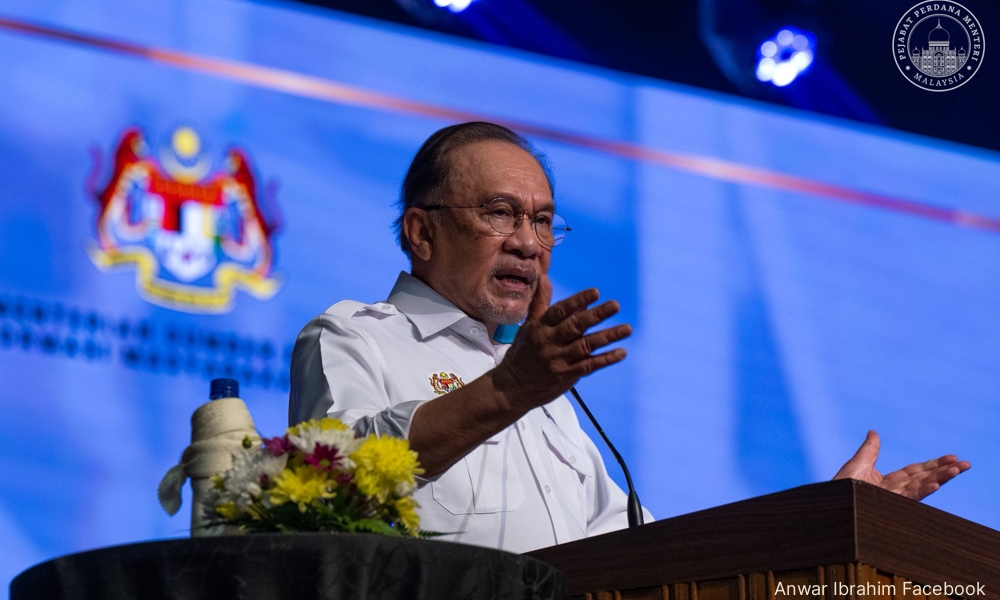
This diplomatic balance has helped Malaysia maintain relatively stable energy supplies despite growing global turbulence. Compared to many countries facing severe inflation and energy shocks, Malaysians still enjoy comparatively affordable fuel prices and relative economic calm.
However, this comfort comes at a mounting fiscal cost.
The government provides 200 litres of subsidised fuel every month, costing an estimated RM4 billion to RM7 billion.
Finance Minister II Amir Hamzah Azizan recently noted that the subsidy burden has risen to around RM6 billion, compared to just RM700 million before the war.
If high oil prices persist, Malaysia’s fuel subsidies could rise from RM48 billion last year to RM84 billion annually.
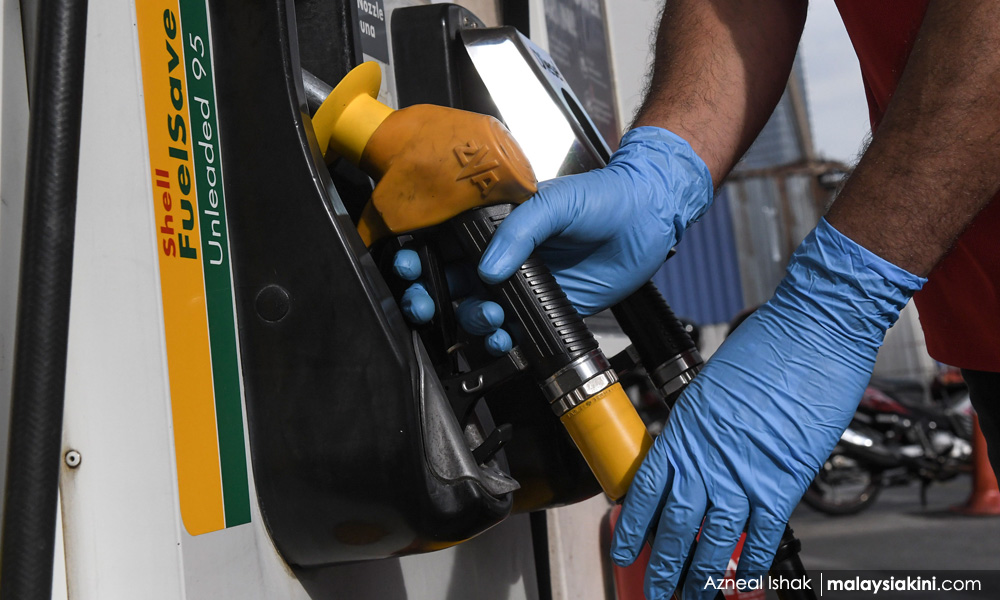
The fundamental question is no longer political but economic. Can Malaysia continue financing large-scale fuel subsidies indefinitely if geopolitical tensions persist?
This fiscal commitment risks becoming structurally unsustainable. To maintain cheap fuel, the government will be forced to cut back on many other expenditures, such as healthcare, education, infrastructure, and public services.
A flawed anti-inflation tool
Current fuel subsidies undoubtedly provide short-term relief, especially for lower- and middle-income households. Malaysians have grown accustomed to relatively cheap petrol for decades.
However, fuel subsidies are an inefficient and costly anti-inflation mechanism for several reasons:
Heavy fiscal burden - Artificially suppressing fuel prices requires enormous government expenditure. Over time, this increases fiscal deficits and limits the government’s ability to invest in productive sectors such as healthcare, education, public transportation, and industrial upgrading.
Inability to target the needy - Blanket subsidies reach all households regardless of actual need. While fuel consumption is important, this approach also deprives low-income people of more essential forms of aid, making the policy inefficient for protecting the poor.
Over-consumption - Addiction to fossil fuels weakens incentives for energy conservation and public transport usage. It delays the transition toward cleaner and more sustainable renewable energy systems. Malaysia’s urban congestion, dominated by single-drive vehicles, reflects this structural dependency on private transportation.
Neglect root causes of inflation - Fuel subsidies merely suppress one component of rising costs temporarily. They do not solve deeper structural challenges such as supply chain disruptions, food insecurity, currency weakness, and stagnant productivity. Worse, they obscure Malaysia’s present predicament as a net fuel-importing country.
In some ways, subsidies conceal rather than resolve underlying vulnerabilities.
The political deadlock
The greatest difficulty, of course, is political. Any attempt to reduce fuel subsidies risks public anger, inflationary pressure, and electoral backlash.
For decades, nearly all political parties, whether government or opposition, have campaigned on promises of lower fuel prices and cheaper living costs, often without addressing structural issues.
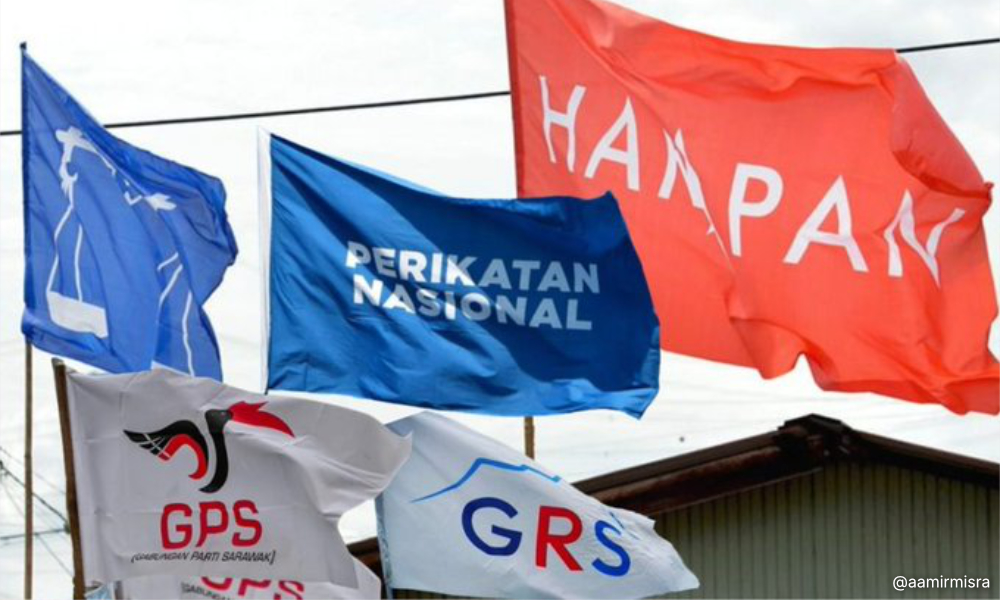
Malaysia’s political culture has become trapped in a cycle where economically unsustainable policies are treated as sacred cows.
During his PKR days, Rafizi championed cheap cars, cheap petrol, and other populist measures aimed at winning the votes of low-income earners. One wonders whether the newly formed Parti Bersama Malaysia (Bersama) will be able to break free from the same futile populist pitfalls.
Contradiction to sustainability goals
Broad fuel subsidies also contradict Malaysia’s long-term sustainability ambitions, as follows:
Environmentally, they encourage higher fuel consumption and carbon emissions, weakening efforts to meet Paris Agreement commitments.
Fiscally, they drain public funds from green infrastructure, public transport, and renewable energy.
Politically, they create long-term dependency, making future reforms extremely challenging.
While lower-income households deserve protection from inflation, fuel subsidies alone are an inadequate instrument. Poor families’ essential livelihoods need far more than just petrol.
An equitable economy requires broader forms of social protection, including affordable housing, healthcare, wage growth, food security, and reliable public transportation.
A bold but difficult path forward
I do not believe stratifying subsidy beneficiaries into different categories will be effective. Withdrawing subsidies from the rich and upper-middle class would contribute very little to the budget.
The government must take more courageous steps to implement subsidy reform.
This cannot be done unilaterally. It requires bipartisan consensus. In response to the mounting global crisis, the government should create an inclusive economic action council, equally representing the opposition and professionals.
Rather than exploiting the issue for political brownie points, both government and opposition should participate in a bipartisan economic framework focused on national resilience.
Any future ruling party will face the same dilemma. This moment offers an opportunity to cultivate a mature political culture - one where all parties move toward a rational, responsible policy framework for the sake of national interest.
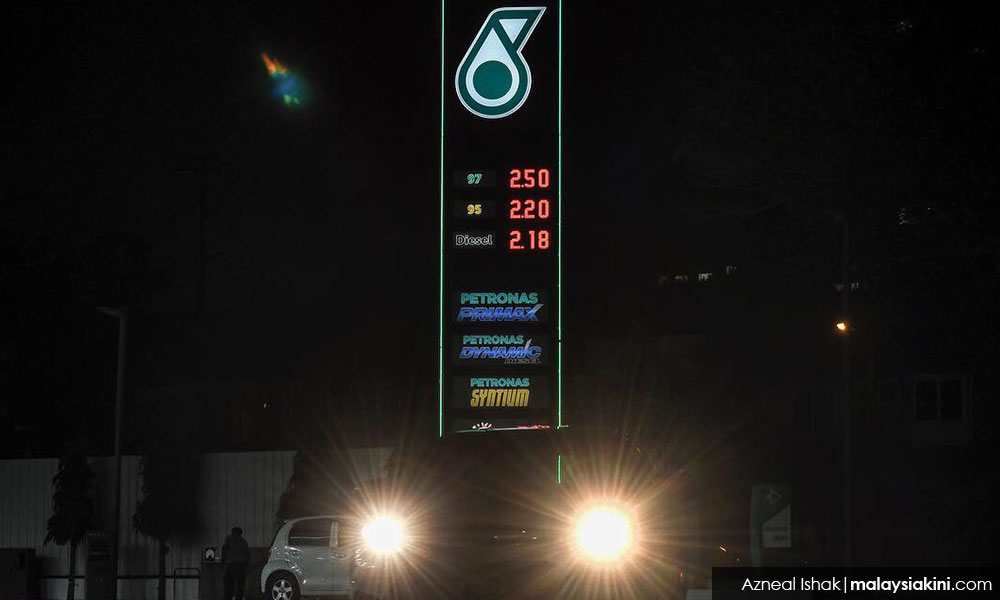
If the war situation worsens, I would suggest suspending the fuel subsidy scheme - at least temporarily - until a clearer global economic outlook emerges.
Such measures would undoubtedly be unpopular, but postponing difficult decisions could ultimately produce even greater economic pain.
Of course, restructuring fuel subsidies cannot occur in isolation.
To complement this, the government should consider free public transport, which would also encourage Malaysians to adopt less wasteful habits.
Some form of vehicle movement control to reduce fuel consumption may be necessary. Working from home for segments of the civil service is insufficient. More comprehensive plans - such as restricting single-driver vehicles from city centres, or even partial car curfews - should be introduced.
Support should be prioritised for sectors directly affected by fuel costs, including logistics, public transportation, delivery services, and small businesses.
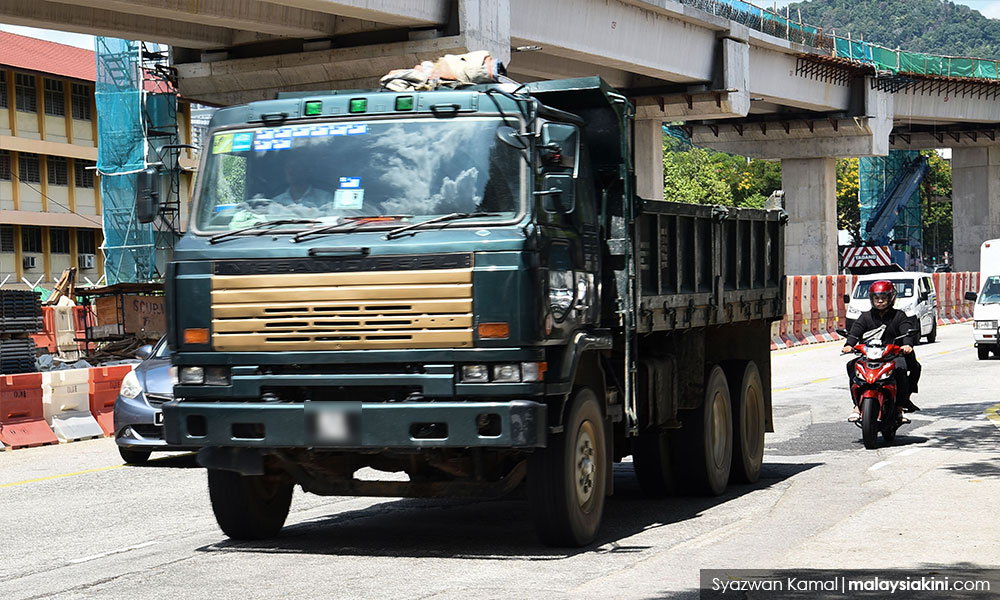
It is more effective to channel subsidies directly to e-hailing services, taxis, and delivery service providers. The funds saved from fuel subsidies could also be used for tax reliefs for electric vehicles and the installation of charging infrastructure.
‘Preparing for winter’
All this may sound drastic, but many Malaysians still cannot grasp the scale of the global economic risks emerging from ongoing geopolitical conflicts. Extensive literature has documented the seriousness of the situation brought on by the illegal US-led wars.
For much of its modern history, Malaysia has been spared the severe economic dislocations and natural calamities experienced elsewhere.
As a result, domestic political discourse often remains narrowly focused on ethnic rivalries, party manoeuvring, and short-term populism, while larger geopolitical realities receive insufficient attention.
The world is entering a far more unstable period. Now that the region has already been hit hard, it is time for both the government and the people to “prepare for winter”.
Thus, simplistic slogans like “turun harga minyak” (lowering fuel prices) or “turun harga kereta” (reducing car prices) are no substitute for serious economic planning.
If the fuel subsidy system is revamped, Anwar’s opponents will almost certainly attempt to weaponise public dissatisfaction. Yet changing prime ministers alone will not shield Malaysia from a global economic crisis.
In turbulent times like this, developing nations endure hardship largely due to a selfish and unjust global economic order dominated by the superpowers. The only way forward is to unite and face the challenges together.
In a volatile world shaped by intensifying geopolitical conflict, economic fragmentation, and energy insecurity, Malaysia’s survival will depend less on political theatrics and more on national maturity, institutional competence, and collective resilience. - Mkini
TIAN CHUA is former Batu MP.
The views expressed here are those of the author/contributor and do not necessarily represent the views of MMKtT.

No comments:
Post a Comment
Note: Only a member of this blog may post a comment.