


Justice and fidelity to the Constitution are the foundations of a stable nation.
From the Tengku Ampuan of Pahang, Tunku Azizah Aminah Maimunah Iskandariah
There is a lonely chair in every constitutional system.
It does not belong to a king. It does not belong to a prime minister. It does not belong to a political party. It belongs to the law.
Those entrusted with interpreting, advising upon, and upholding the Constitution occupy that chair only for a time. The office may change hands, governments may rise and fall, rulers may succeed one another, but the chair itself belongs to the Constitution.
That is why a constitutional office is never merely a position of authority. It is an amanah.
The Constitution does not ask whether a decision is popular. It does not ask whether it is politically convenient. It does not ask whom it may please or disappoint. It asks only one question: What does the law require?
The moment constitutional judgment begins to bend towards favour, fear, influence, or expediency, something far more valuable than a single decision is placed at risk. Public confidence in the Constitution itself begins to weaken.
The Malay constitutional tradition understood this long before the language of modern constitutionalism emerged.
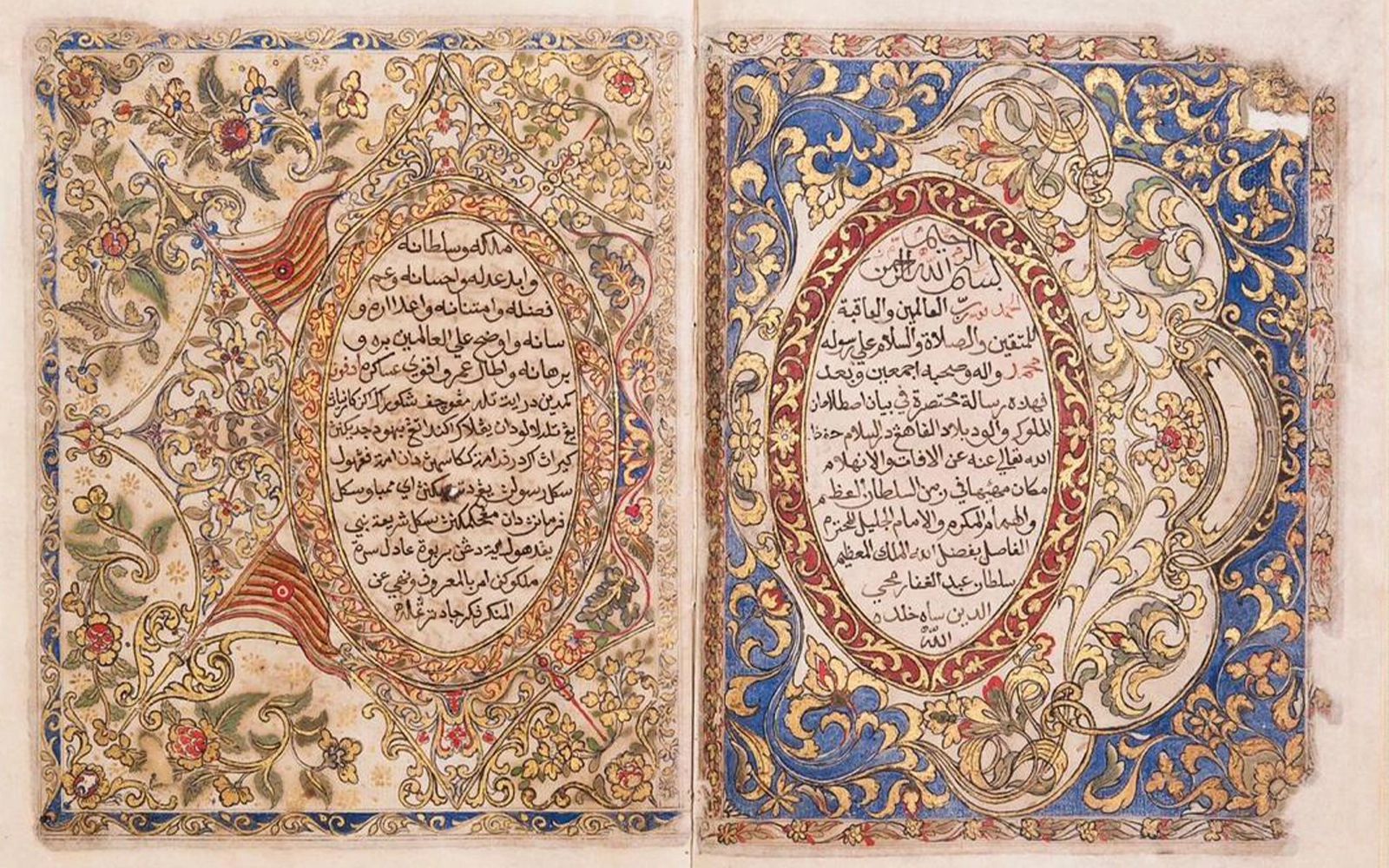
The Hukum Kanun Pahang teaches that authority is never absolute. Every holder of authority carries responsibilities as well as powers. The Sultan himself rules within an order shaped by Hukum Allah, Shariah, adat, and justice. If the highest office in the state is bound by law, then every office created by the Constitution must likewise be exercised within the limits of law.
Justice has never belonged to personalities. It belongs to principles.
No constitutional office should become an instrument of political preference, personal influence, institutional pressure, or public emotion. Those entrusted with the law must remain faithful to the law, for they owe their highest duty not to those who appoint them, nor to those who praise them, nor even to those who criticise them. They owe it to the Constitution, to justice, and ultimately, as Muslims understand, to Allah.
Power may grant authority. Only justice preserves a state.
History teaches us that kingdoms rarely collapse because they lacked laws. They falter when those entrusted to guard the law cease to be guided by it.
Perhaps that is why the greatest protection of any constitutional order is not found in the written words of the Constitution alone, but in the conscience of those entrusted to uphold it.
For when the law remains above every individual, the Constitution lives.
And when the Constitution lives, so too does the nation.
“May Allah accept this work as ʿilm nāfiʿ (beneficial knowledge), place His blessings upon every page that has been written, and allow it to benefit hearts and minds for generations yet to come. Āmīn.” - FMT
The Tengku Ampuan of Pahang, Tunku Azizah Aminah Maimunah Iskandariah, is a master’s candidate at the International Institute of Islamic Thought and Civilisation (ISTAC), International Islamic University Malaysia.

No comments:
Post a Comment
Note: Only a member of this blog may post a comment.