


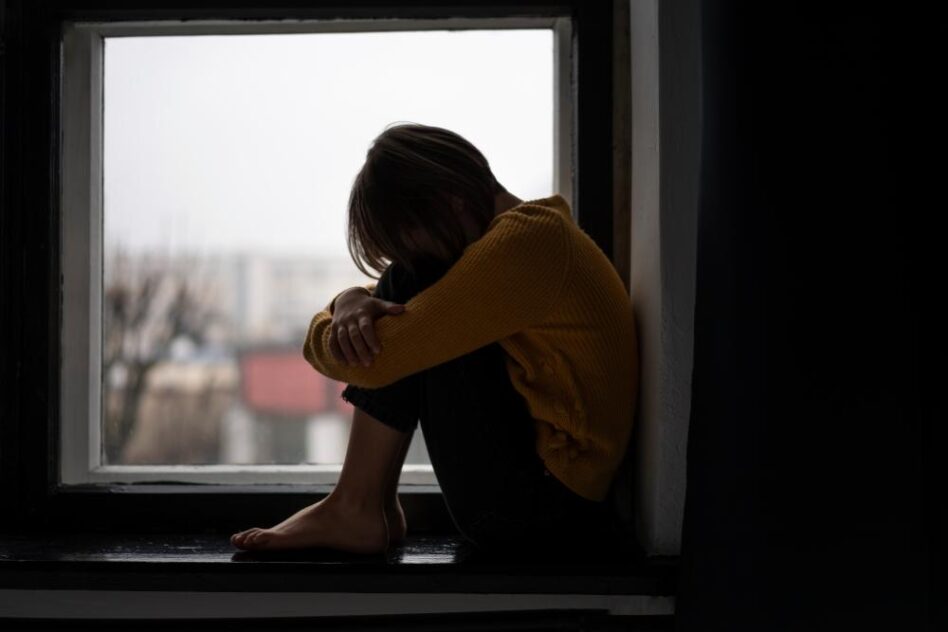
NO child should ever have to learn what fear, manipulation, exploitation or abuse mean at the hands of an adult who is supposed to care for them.
Yet, in societies everywhere, places meant to nurture, educate and protect children can sometimes become spaces where their safety and dignity are put at risk.
Child protection is not just a family matter, a religious duty or something for the police alone. It is a shared social responsibility involving government authorities, religious institutions, NGOs, schools, community organisations, businesses and the public.
In Malaysia, anyone under 18 is recognised as a child under the Child Act 2001. Children require special safeguards for their physical, emotional, psychological and social development.
But laws alone cannot keep them safe unless adults and institutions translate those provisions into responsible conduct and meaningful action.
Prevention must begin before an incident occurs.
Organisations that teach, tutor, mentor, care for or supervise children should have proper procedures for screening and appointing adults who work with them.
These should include appropriate background checks, character references, safeguarding training and clear standards of conduct.
Goodwill, religious commitment, professional qualifications or community standing should not automatically qualify someone to work with children.
Suitability must be established through proper procedures, and organisations should have clear processes for reviewing concerns about an individual’s conduct.
Importantly, child protection must go beyond preventing physical or sexual abuse. It also involves recognising emotional abuse, intimidation, humiliation, neglect, inappropriate affection, sexual grooming and exploitative behaviour.
Abuse does not always leave visible injuries. Sometimes the deepest damage comes through fear, manipulation, threats and the gradual erosion of a child’s confidence.
Abuse can happen anywhere, including online.
The modern safeguarding challenge extends far beyond classrooms, community halls, religious centres and residential camps. Children interact with adults through WhatsApp, Telegram, social media, gaming platforms, online tuition and private messaging.
Sexual grooming, for example, can take place through written messages, phone calls, emails and online platforms. An adult may gradually build a child’s trust, isolate the child emotionally, introduce inappropriate conversations and eventually exploit that relationship.
Parents and guardians must therefore understand that digital access is also a safeguarding responsibility.
Organisations running online classes, counselling, mentoring, religious education or youth programmes should establish rules governing private communication, photographs, recordings, personal information and contact between adults and minors.

Working in pairs, particularly when adults are out of public view or behind closed doors, is another useful safeguard. It helps protect children while also protecting responsible adults from misunderstandings and unfounded allegations.
Reporting must take precedence over protecting reputations.
The real test of any safeguarding framework is what happens when a complaint is received.Allegations must be taken seriously, handled promptly and treated with appropriate confidentiality.
Where there are reasonable grounds to suspect abuse, inappropriate behaviour or neglect, organisations should take immediate steps to protect the child, including removing the person concerned from direct contact with children while the matter is assessed.
Parents or guardians should be informed where appropriate, and suspected criminal conduct should be referred to the relevant authorities. Internal procedures must never become a substitute for reporting to the authorities where the law requires it.
A temporary safeguarding measure is not a declaration of guilt. It is a precaution intended to prevent possible further harm while the matter is examined.
No institution should attempt to settle serious allegations quietly to avoid embarrassment, protect influential individuals or preserve its public image. Confidentiality must not become an excuse for concealing wrongdoing.
At the same time, investigations must respect fairness, due process and the rights of all parties. The safety and well-being of the child must remain paramount.
Malaysia needs a broader national safeguarding culture.
The government should encourage a common minimum safeguarding framework across religious bodies, NGOs, schools, childcare providers, sports associations, tuition centres, residential institutions and organisations running activities involving minors.
Such a framework should include:
- Appropriate background screening and character references for adults working with children.
- Safeguarding training and clearly designated child-protection officers.
- Written parental consent and transparent communication about activities.
- Clear rules governing adult-child interactions, including online communication.
- Accessible and confidential complaint channels.
- Prompt referral of suspected criminal conduct to the appropriate authorities.
- Regular independent reviews, monitoring and accountability.
- Appropriate counselling, medical and legal support for affected children and families.
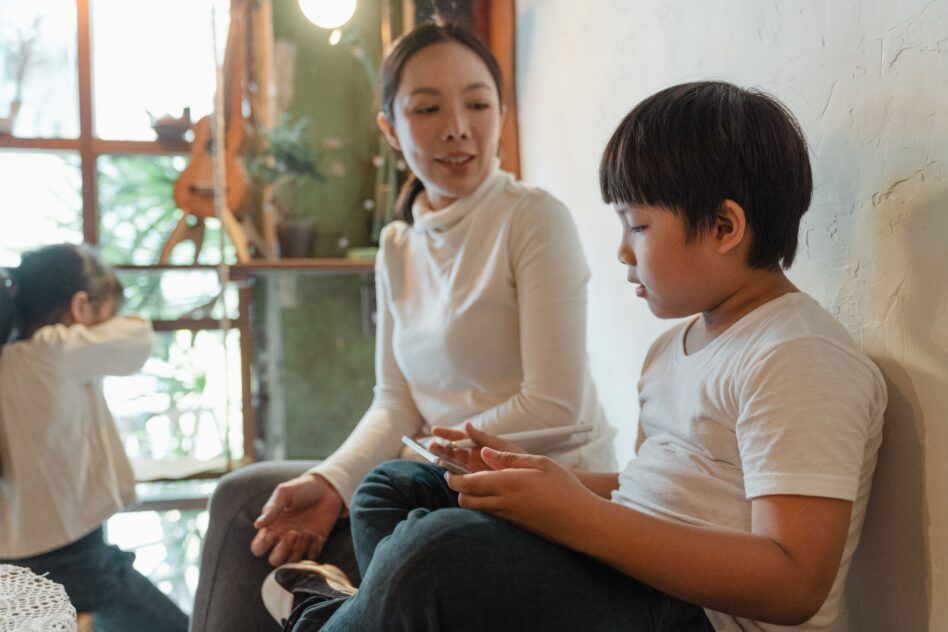
The public must also be educated to recognise warning signs. Children should be encouraged to speak up without fear of punishment, disbelief or humiliation. Parents should listen carefully when a child expresses discomfort about a particular adult or situation.
Most importantly, children must be taught that they have the right to say no to inappropriate touching, unwanted affection, threatening behaviour and requests to keep uncomfortable secrets.
Safeguarding must never become a document that is approved, circulated and forgotten. It must be understood, practised, monitored and periodically reviewed.
Ultimately, a society’s progress cannot be measured only by economic growth, infrastructure, educational achievements or technological advancement. It must also be measured by how safely it raises its children.
Children do not belong to institutions, organisations or influential individuals. They are individuals with dignity, rights and a future that adults have a duty to protect.
Whether in a mosque, temple, church, school, NGO, sports club, tuition centre or online community, the principle must be universal: no child should be left vulnerable to the authority, influence or manipulation of an adult.
Protecting children is not an act of charity. It is a moral duty, a legal responsibility and a measure of our collective humanity.
KT Maran is a Focus Malaysia reader.
The views expressed are solely of the author and do not necessarily reflect those of MMKtT
- Focus Malaysia.

No comments:
Post a Comment
Note: Only a member of this blog may post a comment.