


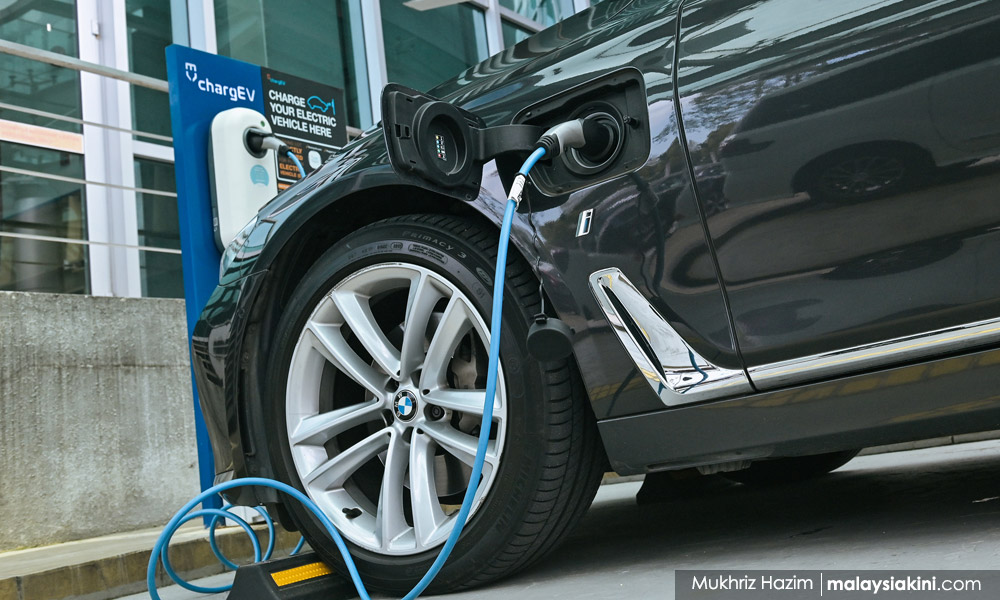
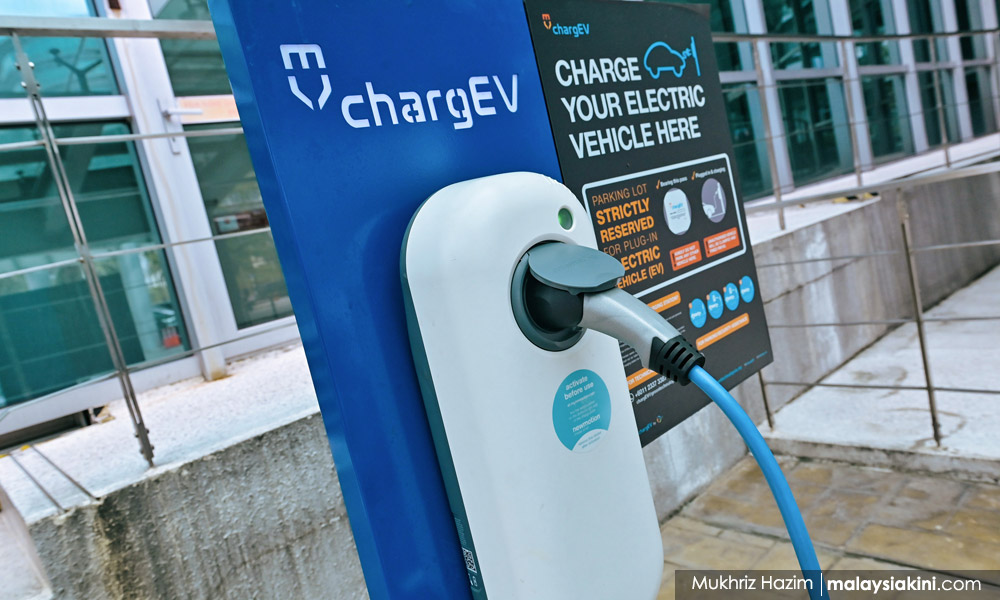
MCA has criticised the government's reported plan to impose a levy on every electric vehicle (EV) sold in the country, to finance the building of public charging infrastructure, calling it "misguided and unreasonable."
In a statement, MCA vice-president and Tanjung Piai MP Wee Jeck Seng said that building the necessary infrastructure is the government's responsibility when promoting EV adoption, and it should not pass the burden of that responsibility onto consumers.
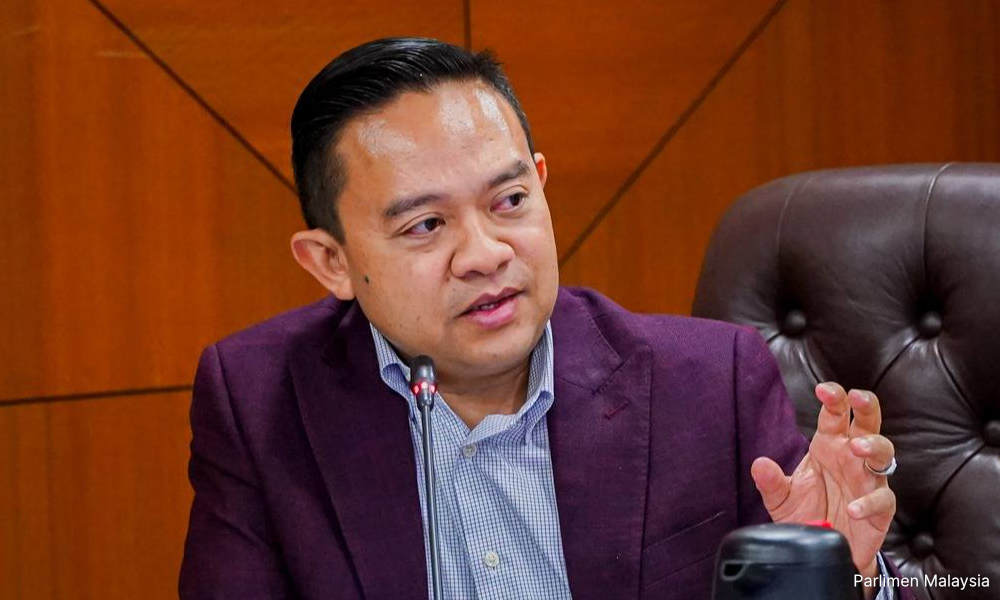
Wee (above) said that if the government is serious about accelerating EV adoption, it should first ensure the necessary infrastructure is in place instead of imposing an additional charge on those who choose to support its green mobility agenda.
"The government encourages Malaysians to embrace electric vehicles, yet because there are not enough charging stations, it now expects EV buyers to help fund them. What kind of logic is that?
"The shortage of public charging facilities should be addressed by accelerating infrastructure development, streamlining approval processes, providing investment incentives and attracting more charging point operators, rather than passing the cost on to consumers.
"Instead, funding should come through public-private partnerships, investments by charging point operators, government development allocations, green financing, as well as contributions from highway concessionaires, shopping malls, car park operators and property developers," he said.
Explain failure to meet target
Wee also pushed the government to explain as to why it failed to meet its initial target of 10,000 public EV charging points before introducing new measures to make EV buyers pay for the expansion of charging infrastructure.
"Although Malaysia had initially targeted 10,000 public charging points, only 6,416 had been installed nationwide as of May 31 this year. The government has since raised the target to 30,000 charging points by 2030," he said.
Wee added that the government had always encouraged EV adoption through tax incentives and supportive policies, but introducing a new levy now sends a contradictory policy signal.
He said this is especially so when EV owners are already facing challenges such as purchase price, charging convenience, battery maintenance costs and resale value, and lamented that a levy on top of these issues would only raise the barrier to entry, especially for middle-income households and young families.
"While supporting the establishment of a dedicated fund and sustainable financing models for expanding the charging network, ordinary consumers should not be expected to shoulder the burden.
"The government cannot claim credit for promoting EV investments and the green economy while shifting the cost of building the EV ecosystem onto consumers and the private sector," Wee added.
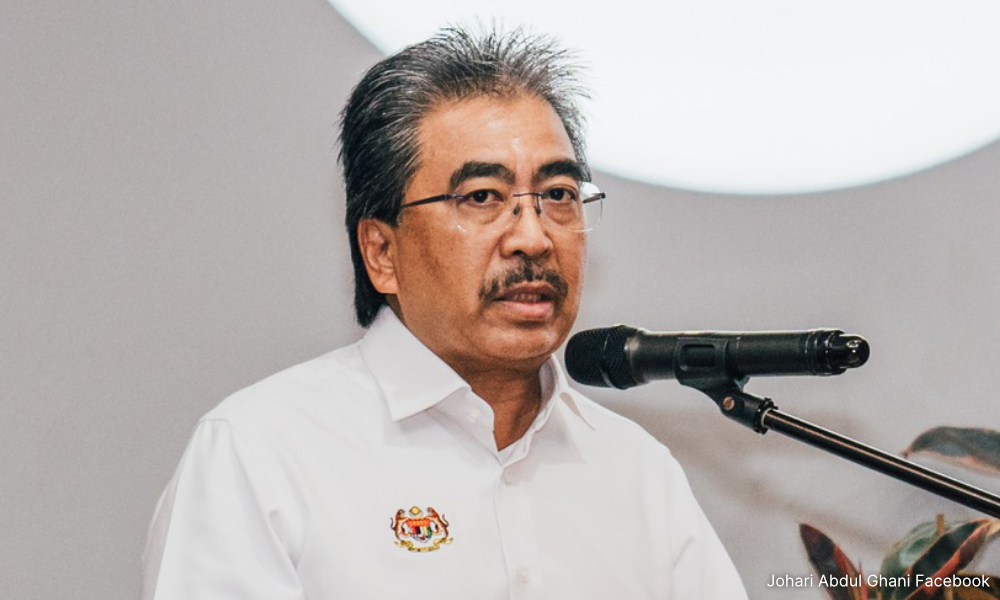
On Aug 4, Bernama reported Investment, Trade and Industry Minister Johari Abdul Ghani saying Putrajaya is considering imposing a levy on every EV sold to establish a fund for expanding Malaysia's public EV charging network.
Speaking during question time in the Dewan Negara, Johari said the proposal was being studied because the government faced constraints in financing a nationwide public charging infrastructure on the scale seen in China.
In a separate statement today, Parti Wawasan Negara vice-president Wan Saiful Wan Jan suggested that instead of imposing new charges on EV buyers, Putrajaya should consider the private sector in developing EV charging networks.
“The government should be reducing barriers to EV ownership and finding ways to lower purchasing costs, rather than adding costs to consumers,” the Tasek Gelugor MP said.
“The principle of ‘less government in business’, as previously put forward by former prime minister Najib Abdul Razak, outlines that the government should act as a policy maker and facilitator, while the private sector becomes the primary driver of investment.”
Urging Putrajaya to reevaluate its proposal, the former Bersatu leader warned that increasing EV purchasing costs and reducing the people’s ability to transition to such vehicles could negatively impact the government’s goal of shifting from fossil fuel to cleaner and more sustainable energy.
Nothing conclusive yet
Yesterday, Berita Harian reported Johari saying that the government is still working out the details of a proposed levy on EV sales, including how it would be structured and used to support the growth of public charging facilities.
He stressed that the measure was still under discussion, and no implementation date had been decided.
Johari said the government needed to ensure that the growth of EV adoption was matched by the availability of charging facilities, particularly for long-distance travel.
He said the government did not want EV sales to increase faster than charging infrastructure development, which would leave users concerned about access to charging stations.
“The government looks at the problems faced by the people. If we want to be a government, we cannot only look at other people’s problems. The government recognises EVs as an alternative for the future, but EVs are not cheap because charging them requires electricity.
“If someone drives an EV from Johor to Perlis, they should not have to worry about running out of battery during traffic congestion because they know there are charging stations every 50, 60 or 100km," he reportedly said.
He said the government also needed to assess how much of the cost the industry should bear and the extent to which it could continue providing subsidies to support the development of the EV ecosystem.
“We want to impose a charge, but we need to look at the mechanism for how this charge can be implemented. Ultimately, if the charge is imposed on manufacturers, they may transfer the cost to consumers.
“So we need to control this matter and determine the value and cost involved,” he said, adding that the proposal also considered the approaches adopted by countries such as the United States, Australia and the United Kingdom in financing EV infrastructure development. - Mkini

No comments:
Post a Comment
Note: Only a member of this blog may post a comment.