


The ringgit per gram spot market over the past approximately 90 trading days has been shaped by a single dominant narrative: a rapid, rate-expectations-driven surge into late January, followed almost immediately by a sharp and disorderly repricing.
The move felt like policy credibility being reassessed in real time, but this time the pressure came from the US yield curve and the US dollar rather than from domestic political developments.
What follows is a fact-checked RM/gram comparison based on spot tables and daily historical data from Bullion Rates, aligned with contemporaneous market reporting on a hawkish, rate-driven repricing shock.
Together, these data points frame how gold and silver responded to shifting macro expectations and how quickly positioning was forced to adjust.
For gold, the verified highest current market price during the recent surge was approximately RM681 to RM682 per gram, recorded around Jan 28 to 29 on RM/gram spot history.
The verified lowest price within the post-surge three-trading-day window was approximately RM590 per gram, recorded on Feb 2. This level represents the forced liquidation low that followed immediately after the rate-driven reversal.
Silver followed a similar trajectory but with greater volatility. The verified highest current market price during the recent surge was approximately RM14.69 per gram, recorded on Jan 28.
The verified lowest price within the three-day post-surge window was approximately RM10.04 per gram, recorded on Feb 2.
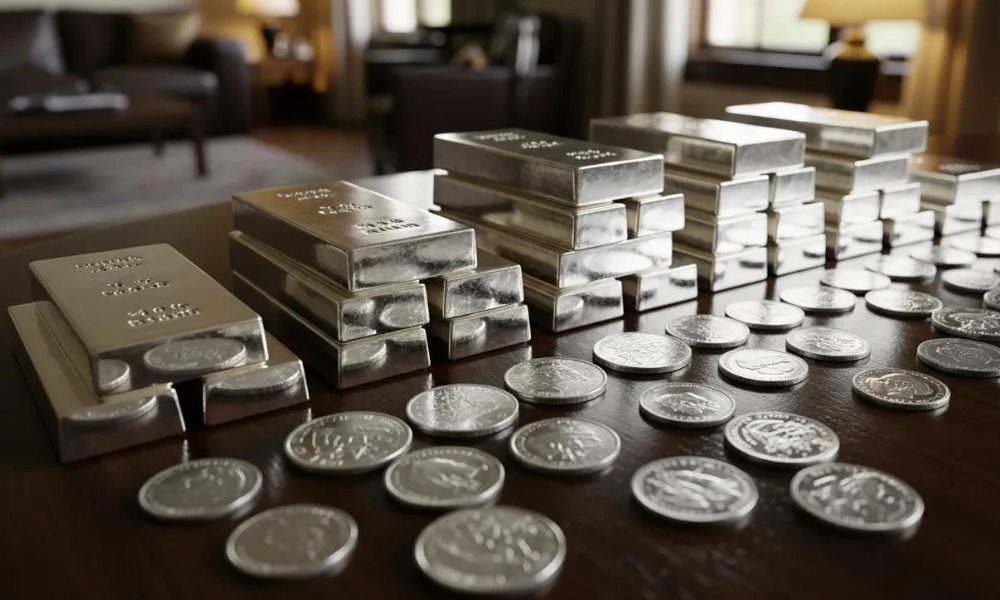
As of 9.15am yesterday, the latest RM-denominated spot snapshot showed gold at RM613.39 per gram, equivalent to RM19,079 per troy ounce, with an intraday range of RM590.48 to RM613.98.
Silver was priced at RM10.617 per gram, or RM330.23 per troy ounce, with a day range of RM10.042 to RM10.670.
Using the last 90 trading days of RM/gram closes as a working definition of recent history, both metals reached their peaks within the same narrow window.
Gold recorded its highest close at RM681.35 per gram on Jan 29. Silver recorded its highest close at RM14.693 per gram on Jan 28, with the following day essentially flat at RM14.666.
This synchronisation strongly indicates a macro-driven move tied to rates and the US dollar rather than to supply-specific developments.
Within the same period, the most significant single-day percentage increases further highlight silver’s greater convexity.
Gold’s largest one-day gain occurred on Jan 28, rising 3.37 percent from RM658.22 to RM680.42 per gram.
Silver’s largest one-day gain occurred earlier, on Dec 26, when it jumped 10.22 percent from RM9.3627 to RM10.320 per gram.
The disparity reflects silver’s thinner liquidity, heavier speculative participation, and stronger industrial beta during risk-seeking phases.
Leverage flush or trend break?
The most recent surge culminated in the late-January highs on Jan 28 and 29, followed by a sharp reversal on Jan 30 and further weakness into Feb 2, the next listed trading day in the 90-day tables.
For gold, the lowest close within this three-trading-day post-surge window was RM590.48 per gram on Feb 2.
For silver, the lowest close in the same window was RM10.042 per gram on Feb 2, following an initial collapse to RM10.735 on Jan 30.
This three-day stress test matters because it distinguishes between a simple leverage flush and a more durable trend break. In this case, prices stabilised after the liquidation, but at levels far below their peaks, consistent with classic discount-rate repricing.
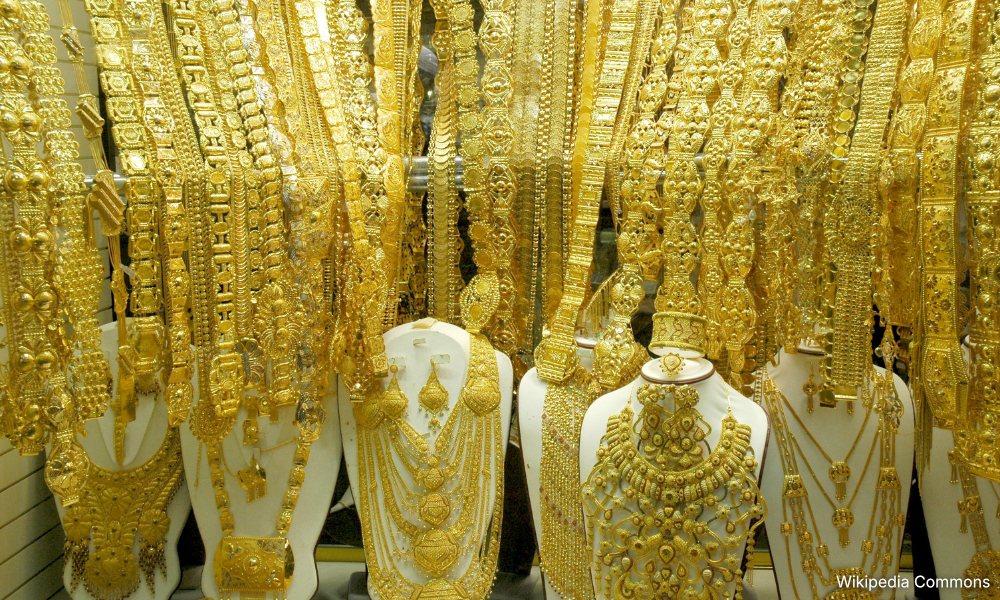
From a market-sentiment perspective, gold’s move was driven far more by global macro positioning than by jewellery demand. A rates-aligned rally carried prices toward RM681 per gram before reversing sharply.
The drivers were collective rather than singular, involving macro traders, systematic strategies, and hedgers responding to changes in US rate expectations and dollar strength.
When expectations shift toward easier policy or lower real yields, gold benefits mechanically as its opportunity cost falls. When those expectations reverse, the unwind is equally mechanical.
The repositioning saw profit-taking near the highs, de-risking as momentum broke, and a shift from buying dips to selling rallies. The rebound toward RM613 per gram suggests cautious dip-buying rather than a restored structural bid.
Silver echoed the same pattern with greater force. Its dual role as a monetary metal and industrial input makes it a leveraged proxy for macro risk sentiment.
When financial conditions tighten and the dollar strengthens, silver typically falls harder than gold due to more crowded positioning and thinner liquidity. The collapse from RM14.666 on Jan 29 to RM10.735 on Jan 30 was characteristic of forced deleveraging, followed by stabilisation as the market searched for a new clearing price.
Fragile but on the mend
In the short term, sentiment for both metals remains fragile but is showing signs of repair. The bounce from the Feb 2 lows reflects bargain-hunting, not a confirmed trend reversal.
If US rate expectations remain volatile and headline-driven, gold and silver are likely to trade as volatility instruments, with silver remaining the more reactive.
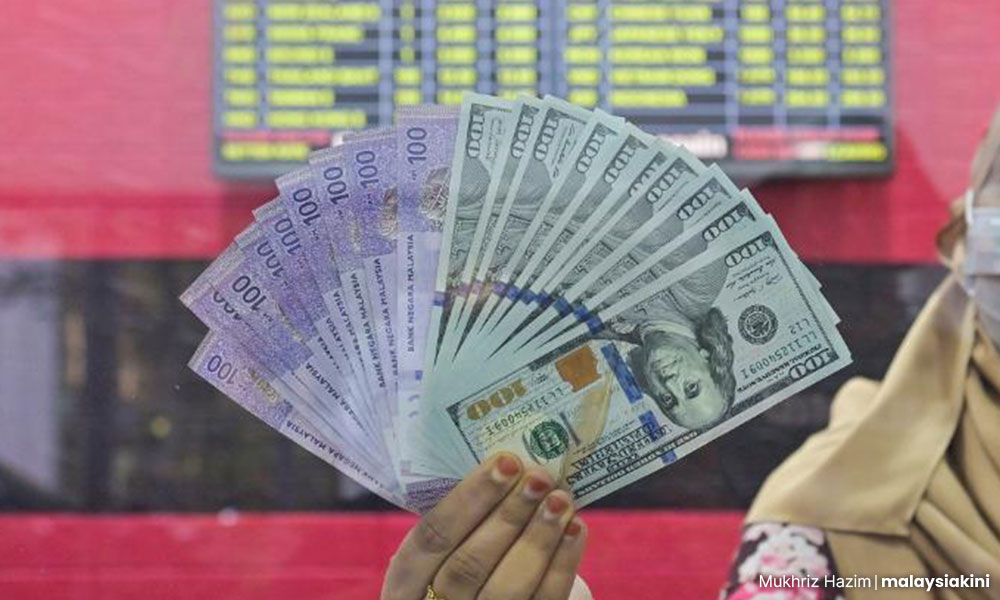
Over the medium term, however, structural support remains credible amid persistent growth uncertainty, inflation risk, and ongoing questions around policy credibility.
Gold continues to serve as a stabilising hedge, while silver offers higher upside potential alongside higher drawdown risk.
For RM-based investors, the distinction remains clear: gold stabilises portfolios, silver accelerates them, and position sizing matters more than narratives. - Mkini
AZAM MOHD is an independent political and economic analyst.
The views expressed here are those of the author/contributor and do not necessarily represent the views of MMKtT.

No comments:
Post a Comment
Note: Only a member of this blog may post a comment.