


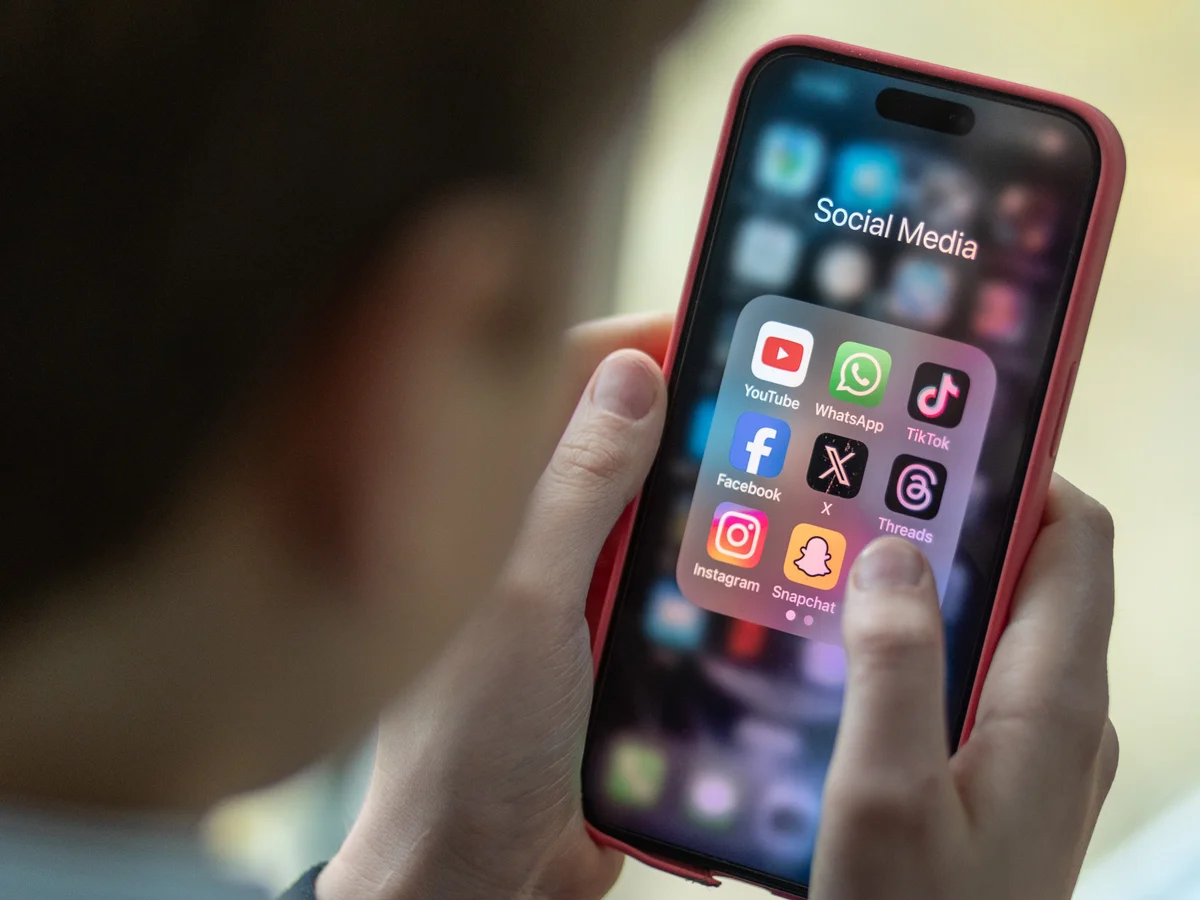
PROPOSALS to impose a blanket ban on social media access for children under the age of 16 risk disproportionately harming underprivileged children, warned the People’s Progressive Party (MyPPP) Tiong Nam branch chairman Tan Peng Beng.
Tan said while child protection is a legitimate concern, sweeping restrictions fail to recognise the positive and transformative role social media plays for children from low-income communities.
“From my years of grassroots and community work, I have seen first-hand how social media has helped underprivileged children gain access to information, understand the real world, and develop creative and technical skills,” Tan said.
“For many of them, social media is not entertainment—it is education, exposure and opportunity.”
For context, Putrajaya announced in Nov 2025 that it would ban access to social media for Malaysians under 16 years old starting from 2026, with Communications Minister Datuk Fahmi Fadzil citing the need to protect youths from online harms such as cyberbullying, financial scams and child sexual abuse.
This policy decision had been deliberated over the past year, given concerns over exposure to inappropriate content for children and younger teenagers, which were accelerated following recent violent incidents involving Malaysian youth.
According to Tan, children from households without books, tuition or enrichment programmes often turn to social media platforms to learn new skills, explore ideas and broaden their horizons.

Over time, this exposure has enabled some to pursue livelihoods in e-commerce, digital services and the information technology sector.
“I personally know youths who started by learning through online content and later became small e-commerce traders, digital freelancers or found employment in the IT industry. These are real outcomes that should not be ignored,” Tan remarked.
He further urged policymakers to examine international experience carefully, pointing to Australia’s recent under-16 social media ban which has drawn criticism from educators, psychologists and child-rights advocates.
“Children from better-resourced families often find ways around such bans but underprivileged children—who lack alternative learning tools or support systems—are the ones who lose access entirely. This widens the digital divide instead of closing it,” he stressed.
He went on to highlight concerns raised by international organisations, including UNICEF and Amnesty International.
Recall that UNICEF had warned that social media is “not a luxury” but a lifeline for many children, particularly those who are marginalised or economically disadvantaged.
Amnesty International had similarly cautioned that blanket bans risk undermining children’s rights to information, education and expression.
Tan stressed that child safety should not rely on prohibition alone, noting that bans are easily circumvented and may push young users towards less regulated digital spaces.
“Protecting children requires smarter, evidence-based policies. This includes digital literacy education, clearer platform responsibilities, age-appropriate safeguards and parental support—not blanket bans that create new problems,” he pointed out.
“Protecting our children means preparing them for the real world, not cutting them off from it. For underprivileged children especially, social media is often part of the solution, not the problem.” ‒ Focus Malaysia

No comments:
Post a Comment
Note: Only a member of this blog may post a comment.