


THE Thirteenth Malaysia Plan (RMK13), the New Industrial Master Plan 2030 (NIMP 2030) and ASEAN 2045 all emphasise innovation, resilience and high-value industries. Medical technology frequently appears on that list of future growth sectors.
The more important question, however, is whether Malaysia is building the ecosystem needed to support genuine medical innovation.
Medical devices may not command the same public attention as elections, fuel prices or major infrastructure projects, but they sit at the heart of everyday healthcare.
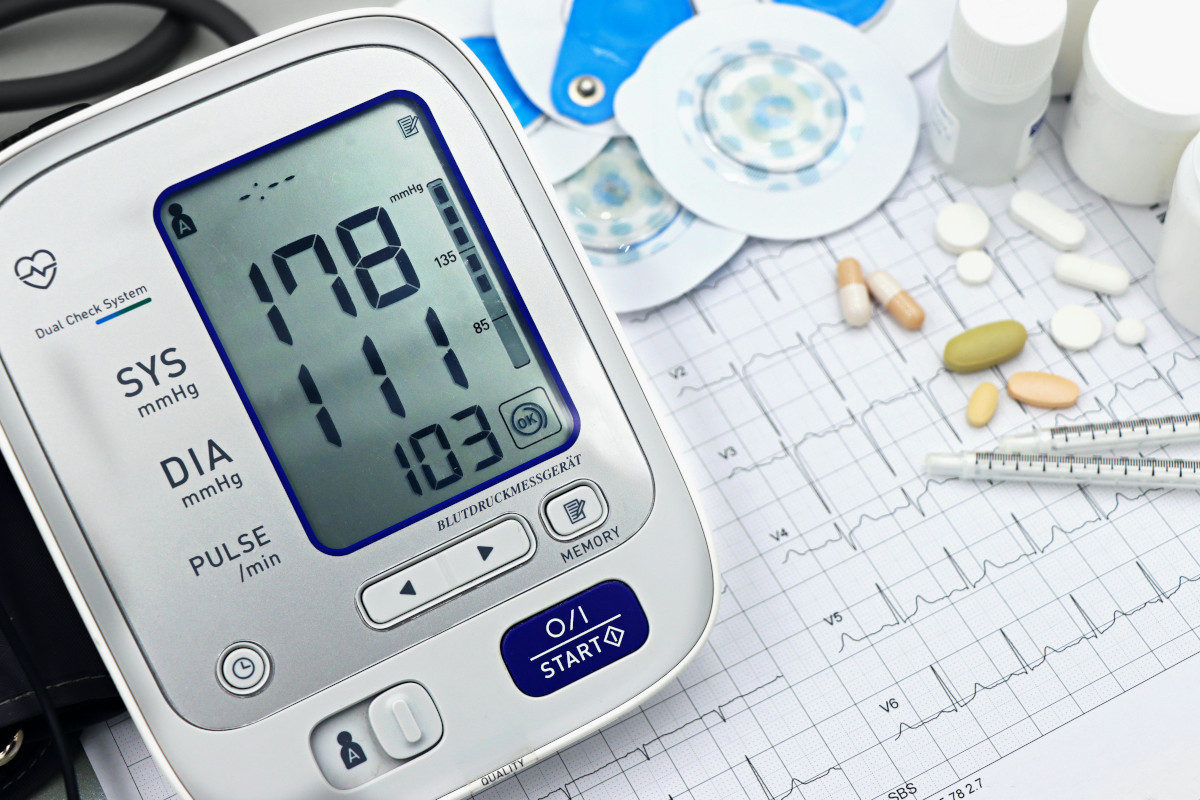
A blood pressure monitor in a rural clinic, a prosthetic limb used during rehabilitation, or a portable diagnostic device in an overcrowded emergency department are often the technologies through which people experience healthcare services.
Malaysia has established itself as an important manufacturing base for products such as gloves, catheters and surgical consumables. That achievement should not be underestimated.
However, manufacturing success alone does not make a country an innovation leader.
The challenge now is whether Malaysia can move beyond being a reliable production hub and become a nation capable of designing technologies that address ASEAN’s healthcare realities.
That distinction matters because medical innovation is fundamentally different from conventional manufacturing.

Producing established products at scale is not the same as developing new technologies that must undergo years of research, prototyping, clinical validation, regulatory review and post-market monitoring.
Medical device development is expensive, complex and uncertain.
Yet many companies continue to operate within a “follow-and-improve” model, adopting technologies developed elsewhere before modifying them for local markets.
While this approach can sustain exports and manufacturing growth, it rarely produces globally competitive intellectual property or deep technological capabilities.
In short, it strengthens production capacity without necessarily building innovation leadership.
If Malaysia is serious about becoming a regional medtech leader, funding priorities must reflect that ambition.
High-end medical technologies require multidisciplinary teams, clinical partnerships, regulatory expertise, advanced testing facilities and long-term investment. The development timeline is often measured in years, if not decades.
This creates an inevitable tension. Policymakers understandably seek measurable outcomes, while investors often favour sectors offering faster and more predictable returns. However, breakthrough medical technologies rarely emerge from short-term thinking.
Industry faces similar choices. Expanding production capacity for proven products is far less risky than investing in first-in-class technologies with uncertain commercial prospects. Imported designs and licensing agreements reduce risk. Building original platforms does not.
Over time, ecosystems can become optimised for certainty rather than innovation.
That may make commercial sense in the short term, but it limits a country’s ability to lead.
The world’s leading medtech ecosystems did not emerge through cautious investment alone. They developed strong links between universities, hospitals, regulators, investors and industry, while accepting that meaningful innovation carries a significant risk of failure.
Malaysia cannot expect similar outcomes while remaining uncomfortable with uncertainty.
At institutions such as Pusat Kanser Tun Abdullah Ahmad Badawi (PKTAAB), Universiti Sains Malaysia, collaborations between clinicians, engineers and researchers increasingly reflect this reality.

Advances in biomaterials, regenerative medicine, diagnostics and digital health require integrated ecosystems capable of moving ideas from the laboratory to the bedside safely and effectively.
This is particularly important in ASEAN, where healthcare systems often operate under constraints very different from those found in wealthier economies.
Designing for the region means creating technologies that are not only advanced, but also affordable, durable, scalable and suited to real-world clinical environments.
This is where the idea of the “bottom billions” becomes important.
Innovation should not be measured solely by technological sophistication. It should also be judged by accessibility, affordability and impact.
A device that improves healthcare outcomes for underserved communities across ASEAN may ultimately be more valuable than a technically impressive solution that remains beyond the reach of most patients.
The real test of Malaysia’s ambition is therefore not how many policy documents it produces or pilot projects it launches. It is whether the country is willing to commit to the difficult and expensive process of building original capabilities over the long term.
Medical innovation cannot thrive on slogans alone.
If Malaysia wants to become a meaningful medtech leader in ASEAN, government, academia, regulators and industry must align around the same long-term objective: developing technologies that solve real healthcare problems for the people who need them most.
Otherwise, Malaysia may continue manufacturing the future without ever truly designing it.
The author, Prof Dr Badrul Hisham Yahaya is the Deputy Director (Research & Networks) of Pusat Kanser Tun Abdullah Ahmad Badawi, Universiti Sains Malaysia (USM) and the President of Malaysian Society for Stem Research and Therapy.
The views expressed are solely of the author and do not necessarily reflect those of MMKtT.
- Focus Malaysia.

No comments:
Post a Comment
Note: Only a member of this blog may post a comment.