


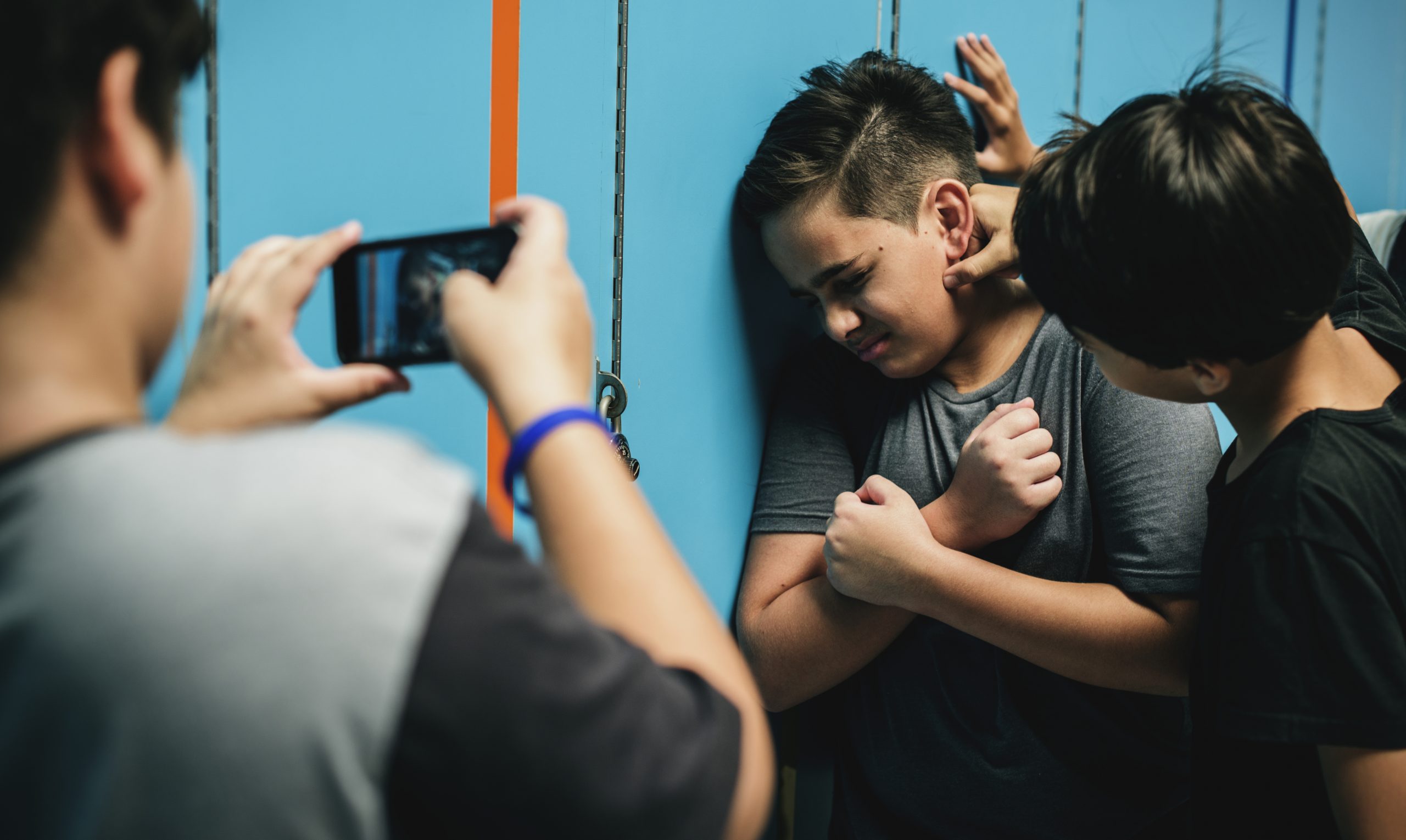
MALAYSIA’S conversation about bullying remains incomplete.
Whenever a bullying case captures public attention, the focus understandably falls on the victim. We ask how the child was harmed, whether the school failed in its duty of care, and what punishment should be imposed on those responsible.
These are important questions. However, there is another question we often avoid: how do we prevent bullying behaviour from developing in the first place?
Unless we address the roots of bullying, we will continue responding to incidents after the damage has already been done.
Children are not born as bullies. While some may be more aggressive, impulsive or socially dominant than others, harmful behaviours are often shaped by a combination of family dynamics, peer influence, social environments and learned responses.
When a child repeatedly humiliates classmates, excludes others or derives satisfaction from causing distress, the behaviour should be taken seriously and addressed early.
This requires honesty from everyone involved, especially parents.
When schools inform parents that their child has engaged in bullying behaviour, the first reaction is often denial.
“My child would never do that.”
“The other children are exaggerating.”
“The teacher is targeting my child.”
Such responses are understandable, but they rarely help the child. Acknowledging problematic behaviour is not an admission of failure as a parent. It is the first step towards helping a child develop empathy, accountability and healthier ways of interacting with others.
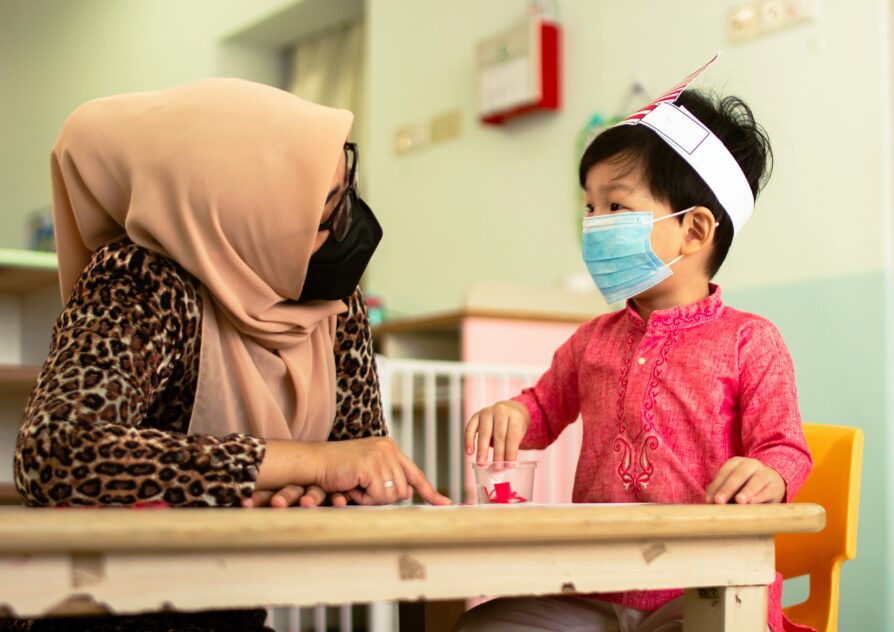
Parents should never be shamed for seeking help when concerns arise. On the contrary, recognising a problem and addressing it early is a sign of responsibility.
Schools also have a critical role to play.
While academic achievement remains important, schools must place equal emphasis on character development and emotional wellbeing.
A student who repeatedly intimidates others or creates fear among peers should receive the same level of attention as a student facing serious academic difficulties.
Bullying today is often more subtle than many adults realise.
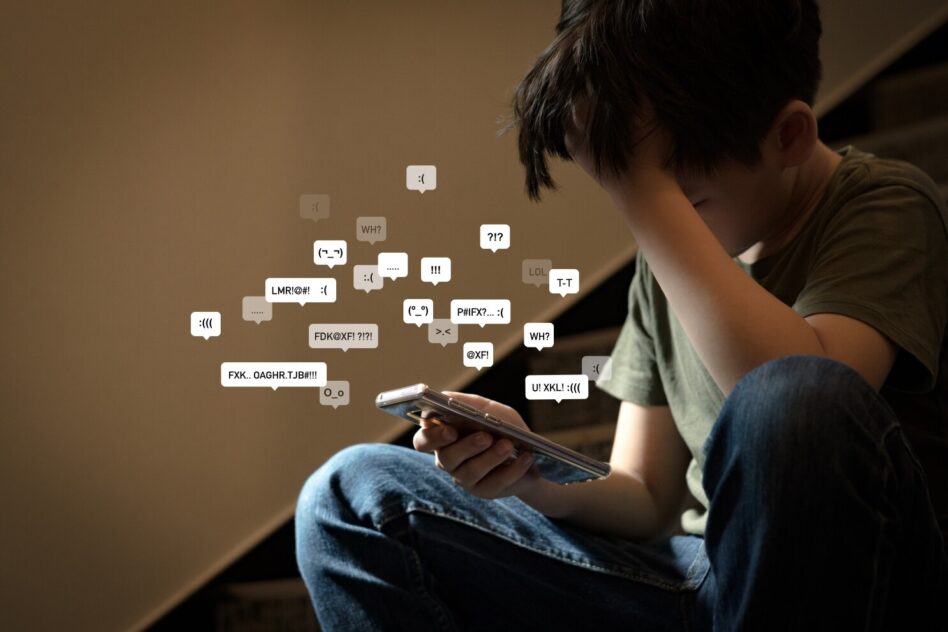
Physical aggression is usually easy to identify. Emotional and social bullying are far harder to detect. A child may never throw a punch yet still cause significant harm through exclusion, manipulation, rumours or online harassment.
These behaviours leave no visible injuries, but their psychological impact can be profound and long-lasting.
Teachers therefore need adequate training to recognise early warning signs and respond appropriately. Schools should establish confidential reporting mechanisms, monitor repeated patterns of behaviour and provide timely interventions, including counselling and behavioural support where necessary.
Importantly, these interventions should involve both the child and the family.
Malaysia must also move beyond the outdated notion that bullying is simply part of growing up.
Bullying is not a rite of passage. It is not character-building, and it should never be dismissed as harmless childhood behaviour.
Research has consistently shown that victims of bullying face increased risks of anxiety, depression, low self-esteem, academic difficulties and long-term psychological distress.
Less frequently discussed is the fact that children who engage in persistent bullying behaviour may themselves face future social, emotional and behavioural challenges if the underlying issues are not addressed.
That is why effective anti-bullying strategies must focus on prevention as well as protection.
A useful principle is that true strength is measured not by how we treat those weaker than ourselves, but by how we support and uplift them. Empathy, kindness and respect should be regarded as essential life skills, not optional values.
A nation’s future is shaped not only by what its children know, but by the character they develop along the way.
If Malaysia is serious about tackling bullying, parents must be willing to acknowledge concerns when they arise.
Teachers must be equipped to recognise harmful behaviour early. Schools must intervene consistently and constructively before patterns become entrenched.
The goal is not to label children. It is to guide them.
Protecting victims will always be essential but lasting progress depends on our willingness to address bullying behaviour early, before more children are harmed.
KT Maran is a Focus Malaysia viewer.
The views expressed are solely of the author and do not necessarily reflect those of MMKtT
- Focus Malaysia.

No comments:
Post a Comment
Note: Only a member of this blog may post a comment.