


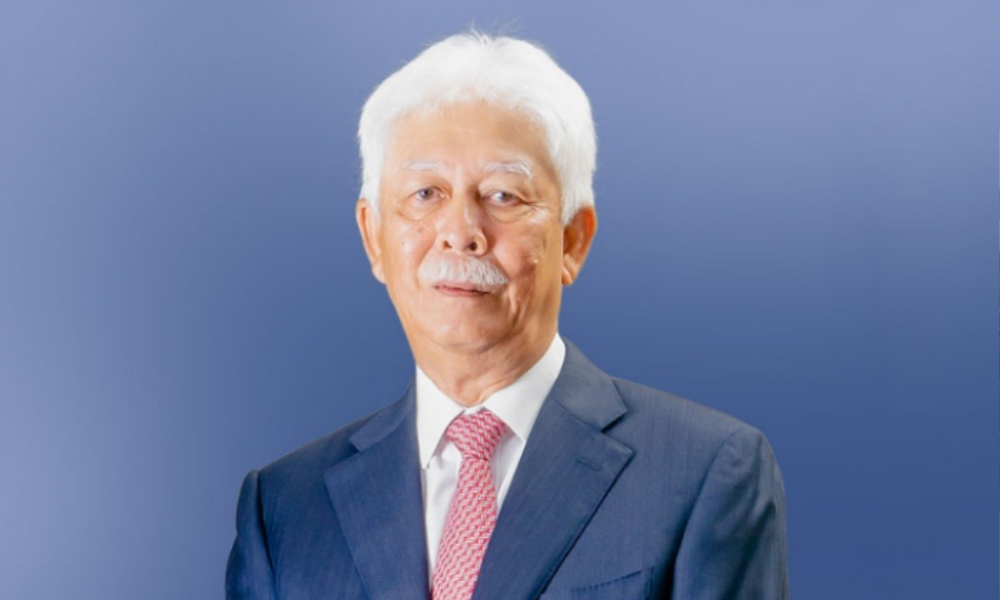
Disruptions to energy and petrochemical supplies could have far-reaching implications beyond fuel availability, potentially affecting items critical to everyday life, such as medical supplies, food packaging and agricultural fertilisers, said Hassan Marican.
The Crisis Management Task Force chairperson said the biggest risk facing the country is not a single disruption in isolation, but the possibility of multiple pressures emerging simultaneously across energy, logistics, industrial supply chains and broader economic activities.
“The impact of this crisis may unfold progressively across sectors, which is why preparedness and resilience-building must remain central to our response,” he told Bernama in an interview recently.
Energy security remains the immediate priority because energy sits at the centre of the economy, Hassan said, noting that disruptions involving fuel supplies and petrochemical feedstocks could quickly affect transportation, manufacturing, agriculture, construction and consumer goods.
He said the modern economy runs on interconnected industrial supply chains, while medical supplies, food packaging and agricultural fertilisers are structurally linked to petrochemical inputs.
“When one link in this chain comes under strain, the impacts can ripple across the broader economy,” he added.
Hassan highlighted that the government, through the National Economic Action Council, is monitoring these vulnerabilities closely and working with industry partners to mitigate risks, protect consumers, and ensure critical supply lines remain open.
Four key areas of vulnerability
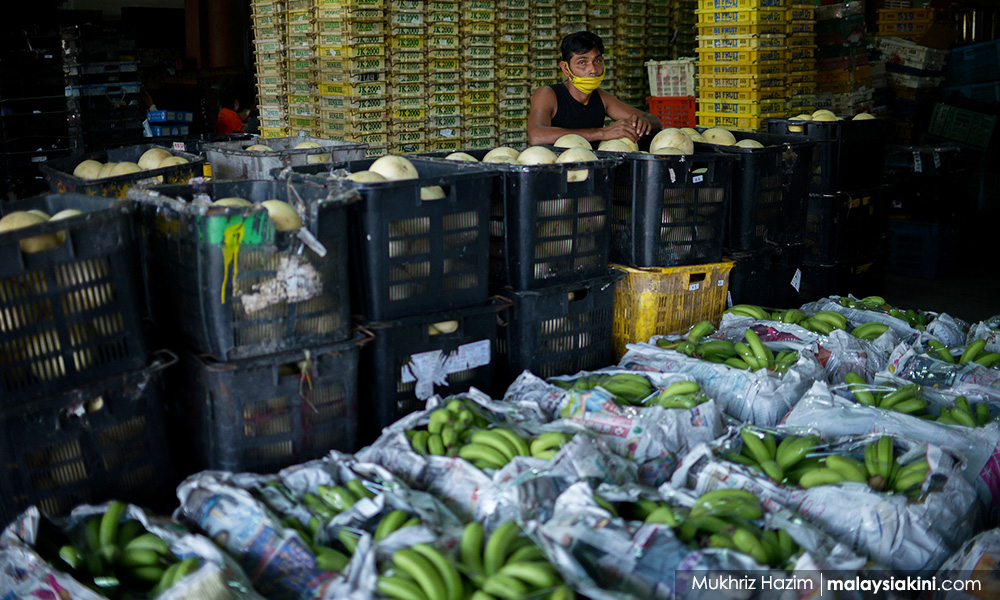
Looking ahead, he identified four areas requiring continued attention, with food security, particularly fertiliser availability and supply logistics, being the first.
“Food availability is not just about farming capacity, but also transportation, storage and industrial inputs,” he noted.
Secondly, according to Hassan, is the medical and pharmaceutical supply chains, which remain dependent on imported inputs and international manufacturing networks despite Malaysia having buffers in several areas, and the third is logistics and shipping resilience.
He explained that shipping delays, port congestion and freight disruptions can still affect domestic industries and businesses even when supplies remain available globally.
Heightened geopolitical tensions and climate-related risks have contributed to rising shipping and insurance costs, increasing overall supply chain expenses and placing additional pressure on businesses, importers and consumers.
Lastly, larger companies may have stronger buffers against supply disruptions. Still, small and medium enterprises and industrial manufacturers, especially those with shorter inventory cycles, are often more exposed to volatility in raw material supplies and tighter cash flow pressures.
Strengthening national buffers
Hassan noted that Petronas and industry players have made early progress in securing oil supplies, but the situation remains fluid, with concerns that prolonged disruptions could place greater strain on inventories, logistics and competition for critical inputs.
“This is why Malaysia must continue strengthening buffers not only for fuel, but also for food, medical supplies, industrial inputs, and logistics capacity,” he said.
Overall, he said the crisis underscores the importance of long-term national resilience, not only in managing today’s shortages but also in strengthening Malaysia’s capacity to withstand future external shocks in an increasingly uncertain global environment.
Comprehensive measures for MSMEs
The government has introduced comprehensive measures for micro, small and medium enterprises to preserve their liquidity, support employment, improve access to financing and help them adapt to a more uncertain operating environment.
The measures go beyond broad-based economic measures that include financing, guarantees, rental relief, energy-efficiency support, and operational flexibility, Hassan said.
“MSMEs are a very important part of this crisis response because they are particularly vulnerable to rising costs and supply-chain disruptions, such as higher transport and rental costs, raw material prices, financing pressures and weaker consumer spending,” he explained.
“If MSMEs are not adequately supported, the impact will inevitably trickle down to workers, suppliers and households.”
Under the financing and liquidity support, Hassan said the government, through the finance minister and Bank Negara, introduced a RM15 billion intervention package last month to protect the sector.
This includes an additional RM5 billion allocation to the Syarikat Jaminan Pembiayaan Perniagaan with better guarantee terms and longer tenures, RM5 billion under the SME Stabilisation Relief Facility by Bank Negara, and more than RM5 billion in microfinancing facilities for small traders and micro-entrepreneurs this year.
This microfinancing support is channelled through development financial institutions, including Amanah Ikhtiar Malaysia, Bank Simpanan Nasional, Tekun Nasional, Mara, Agrobank, and Bank Rakyat.
To ease operating pressures, the government has provided flexibility in the implementation timeline for e-invoicing for businesses with annual sales between RM1 million and RM5 million.
The Entrepreneur Development and Cooperatives Ministry’s PowerUp 10K programme also provides up to RM15 billion in financing to help 10,000 MSMEs scale up operations.
The Human Resources Ministry’s Progressive Acceleration for Capability and Employability provides training, job placement assistance, gig worker support, and paid industrial training placements within MSMEs.
Hassan said the coordinated approach aims to strengthen MSME resilience, ensure continued access to financing, and support adaptation to current economic conditions.
“This reflects the spirit of ‘berat sama dipikul, ringan sama dijinjing’ (It is a collective effort, with everyone sharing the load).
They are substantial financial lifelines designed to give our smaller businesses the liquidity, confidence, and breathing room they need to ride out these global economic headwinds,” he added.
- Bernama

No comments:
Post a Comment
Note: Only a member of this blog may post a comment.