


The government is maintaining broad-based economic support to preserve market stability while expanding targeted assistance for groups most affected by rising living costs, helping households navigate growing global uncertainties.
Chairperson of the Crisis Management Task Force Hassan Marican said Malaysia’s ability to maintain stability amid external shocks stems from early decisive intervention, coordinated policymaking, and continuous efforts to secure essential supplies.
“The government has been working intensively across ministries and agencies to manage the situation carefully while ensuring daily life and services continue as smoothly as possible.
“From the cabinet down to the various working committees and implementing agencies, efforts have been focused on finding ways to manage and mitigate the impact,” said Hassan in an interview with Bernama recently.
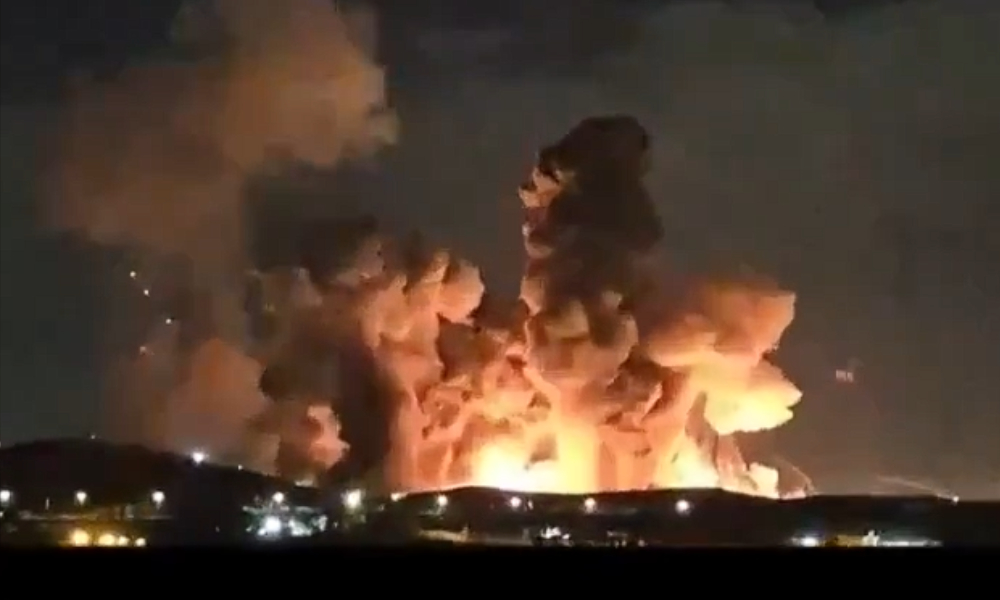
The task force, which operates under the National Economic Action Council, is responsible for coordinating the government's response to the global energy crisis triggered by the conflict in West Asia.
“Our mandate is very clear. We are actively putting resources where they matter most to shield the rakyat. That means focusing heavily on protecting vulnerable families, keeping critical supply lines open and managing price volatility,” he said.
Measures to ease people’s burden
Many of the stabilisation and protection measures already introduced by the government have played an important role in cushioning Malaysians from the initial impact of the global supply crisis.
To support households, the government has strengthened direct assistance programmes such as Sumbangan Tunai Rahmah and Sumbangan Asas Rahmah, including monthly aid for hardcore poor households registered under eKasih.
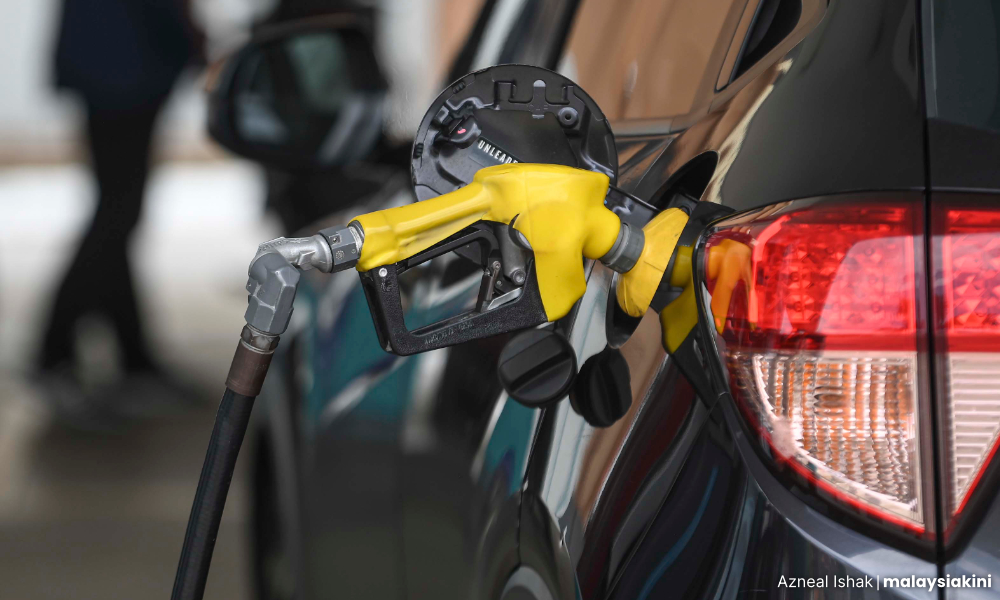
The government has also taken steps to ease fuel-related cost pressures through initiatives such as Budi95, Budi Diesel, and the Subsidised Diesel Control System, while extending targeted support to e-hailing drivers, fisherfolk, smallholders, and agricultural producers.
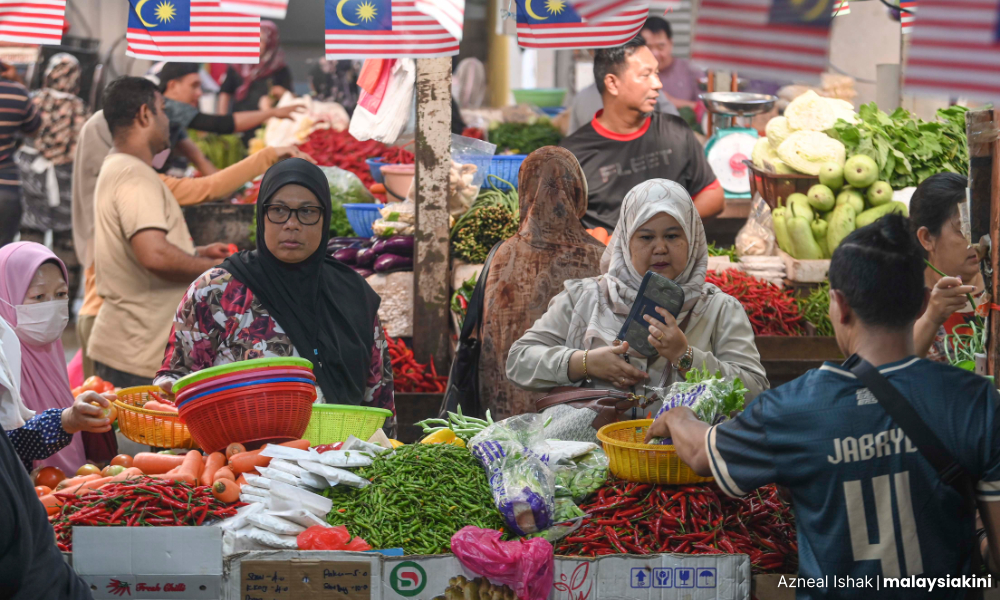
Beyond direct financial assistance, measures such as price control mechanisms, anti-profiteering enforcement, Jualan Rahmah Madani and Jualan Agro Madani sales continue to help ensure essential goods remain affordable and accessible.
Transport initiatives, including the My50 pass, selected KTMB fare discounts, ERL monthly travel cards, and FLYsiswa, further support these efforts by reducing commuting and travel costs for different segments of society.
The government itself has already begun implementing conservation-oriented measures, including work-from-home arrangements for parts of the public sector, flexible work arrangements, electricity efficiency incentives, and accelerated renewable energy programmes to reduce overall energy intensity and strengthen long-term resilience.
Stable doesn’t mean no risk
However, Hassan cautioned that the country’s relative stability should not be interpreted as an absence of risk.
“It is the result of early intervention, close coordination with industry, strong diplomatic relations with key partner countries, and continuous efforts to secure alternative supply channels where needed.
“One reason major disruptions to daily life have so far been avoided despite continued global pressures is that the government has been working actively to reduce the impact on rakyat and maintain stability,” he said.
While some countries have been forced to declare emergencies, impose rationing measures, or implement other drastic interventions, Malaysia has so far avoided such outcomes because early coordination has helped preserve stability and normalcy.
Nevertheless, Hassan stressed that both the public and private sectors should remain vigilant, as prolonged or more severe global disruptions could place greater pressure on supplies, logistics and costs, potentially requiring stricter conservation and allocation measures.
“This is why our response cannot be viewed simply as a subsidy issue. Today’s cost-of-living pressures affect households from multiple directions at once, including energy, food, transport, logistics, job security, and the availability of essential goods,” he said.
Hence, Hassan said a problem this complex cannot be solved with a single tool, adding that is why the country needs a whole-of-nation approach to face this challenge together.
As prolonged global disruptions continue to strain logistics networks and industrial inputs, managing these pressures is a shared responsibility that requires proactive government intervention, complemented by a prepared and resilient public, and strong cooperation from the private sector, he said.
- Bernama

No comments:
Post a Comment
Note: Only a member of this blog may post a comment.