


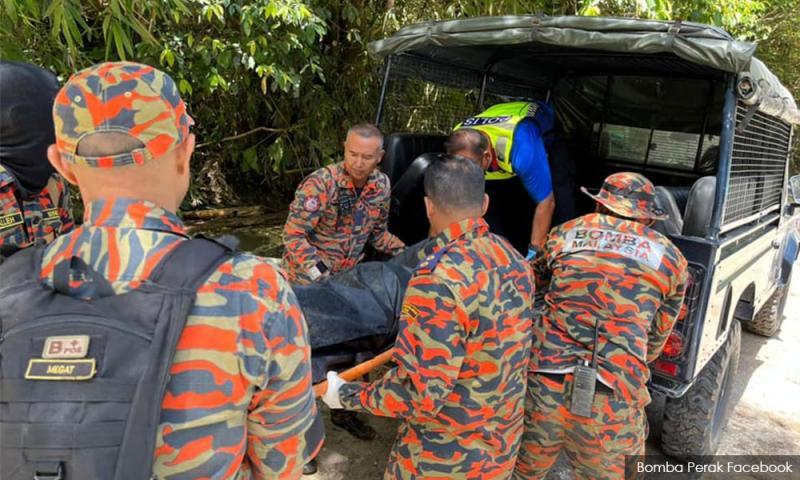
One hundred and fourteen hikers got lost this year alone and needed rescuing from the Fire and Rescue Department.
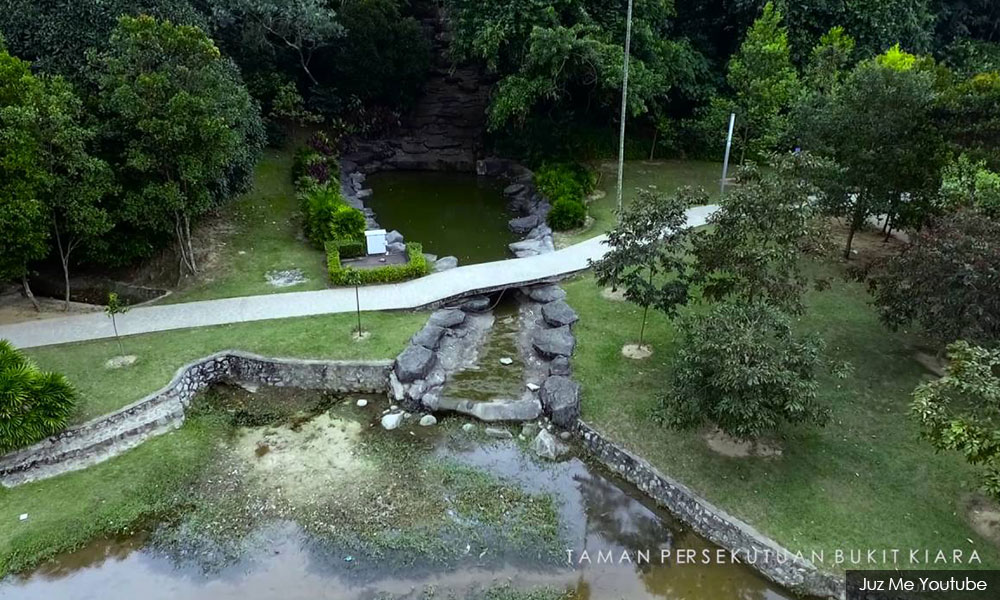
This was not only in hardcore jungle but even in “urban forests” such as Bukit Kiara, Kuala Lumpur (10 people went astray on May 9) and Bukit Jambul, Penang, said Fire and Rescue Department director-general Nor Hisham Mohammad.
I have been a hiker for some 30 years and love being in the forest. It’s a healthy, low-cost hobby to enjoy nature and make new friends. But just like driving, cycling or scuba diving, there are safety rules. I was lucky to learn about these from the Malaysian Nature Society.
But I have also joined other groups where there was not even a “sweeper” – the last person at the back who ensures that stragglers don’t get lost. He will also tell them they must turn back if they pass a safety deadline to reach the peak.
Yet, I remember meeting young yahoos on “simple hikes” at Bukit Gasing, Petaling Jaya, but they didn't even carry water, only their smartphones.
It was getting dark, and they were dehydrated and panicking. I shared my water with them and told them how to get out.
False social media image
Hiking has become so popular due to social media, but some people think it’s just a “walk in the park”. Instagram or Facebook posts often only show the glamorous peaks but not the real problems that can arise.
There are two types of hikes. First are the so-called “urban forest treks” in places like Bukit Kiara, Gasing and Jambul. Second are hikes in serious forest reserves that require permits and official guides from the forestry department called “malim gunung perhutanan” or MGP.
Sadly, even treks with MGP have cases of people getting lost, such as the recent case of Jaslinda Saludin, 49. She was lucky to be found alive after two weeks.
However, in October 2025, Mustaqqeem Mansoor, 34, was found dead on the peak of Gunung Liang, on the rugged Perak-Pahang border inland from Tanjung Malim. The guides allegedly abandoned him.
Exams for hiking badges
What I find disturbing is that hiking permits are given out by the Forestry Department without any education or quality control of participants.
It would be better if hikers are given a checklist of the do’s and don’ts, rather than leaving everything to the organiser and MGP.
There are kampung folks who allegedly got the job because they “know somebody”. It will be good to have more transparency, with experts from outside the government auditing how MGPs are appointed.
Another option is for all new hikers to go through a simple safety course. The easiest way is via live group Zoom calls where participants can have fun learning from each other. Those who answer too many questions incorrectly will have to redo the course.
It’s even better if this course is done in a real-life forest setting, of course. Those who get, let’s call it a Level 1 trekking badge, will be allowed to apply for future treks.
If the Forestry Department is “too busy” to do this, the job can be outsourced to private companies. I don't like cronyism, but in Malaysia, this is often the only way to get things done. Some safety education is better than nothing.
On the other end, experienced, responsible hikers find it a hassle having to apply for permits and pay for guides even for forest reserves that they have trekked through themselves for decades.
Some feel that the requirement to hire MGP is just a jobs programme. So, one option is to have advanced exams, say for a Level 3 trekking badge, where graduates are exempt from getting permits and guides.
Basic precautions
Anyway, allow me to share some basic precautions that I have learned over the years.
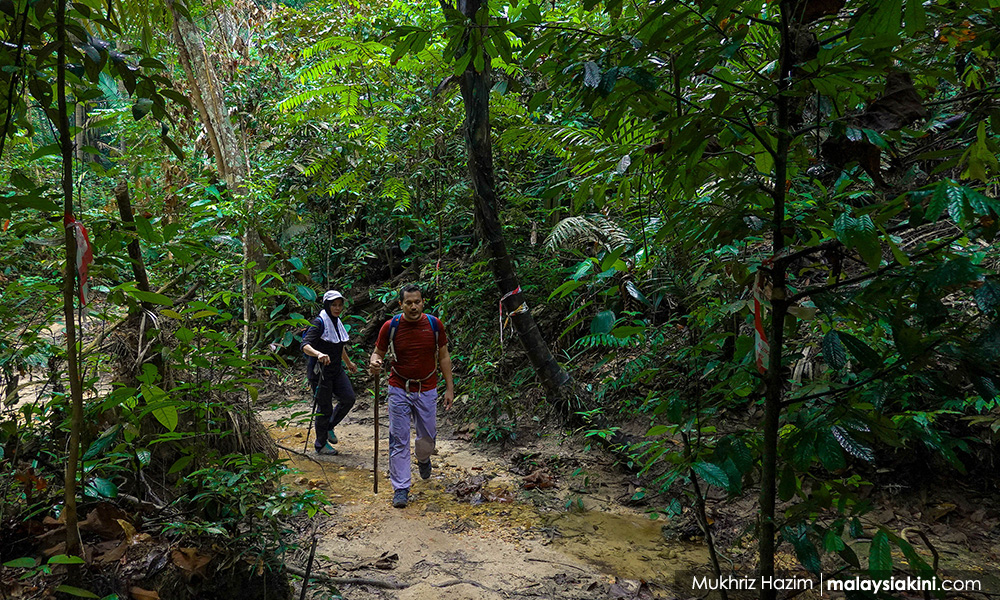
For shorter treks:
1) Bring more than enough water. Think of it as weight training.
2) Stay on the main trails; don’t try to be Indiana Jones.
3) Use apps with offline trekking routes on your phone. I use maps.me since it’s free – remember to download the map before the trek.
4) Headlamp - in case you end up delayed and trekking at night. The jungle is very dark. Bring extra batteries.
5) Steroid and antihistamine pills in case of insect bites or stings. Some people get bad allergic reactions which can be life-threatening.
6) For muscle cramps, drink some salt water and apply deep heat lotion. For sprains, apply NSAID gels. Bring insect repellent for mosquitoes.
7) Use lightweight, quick-dry clothing. In our steamy jungle, heavy jeans will be soaked with sweat and become a burden.
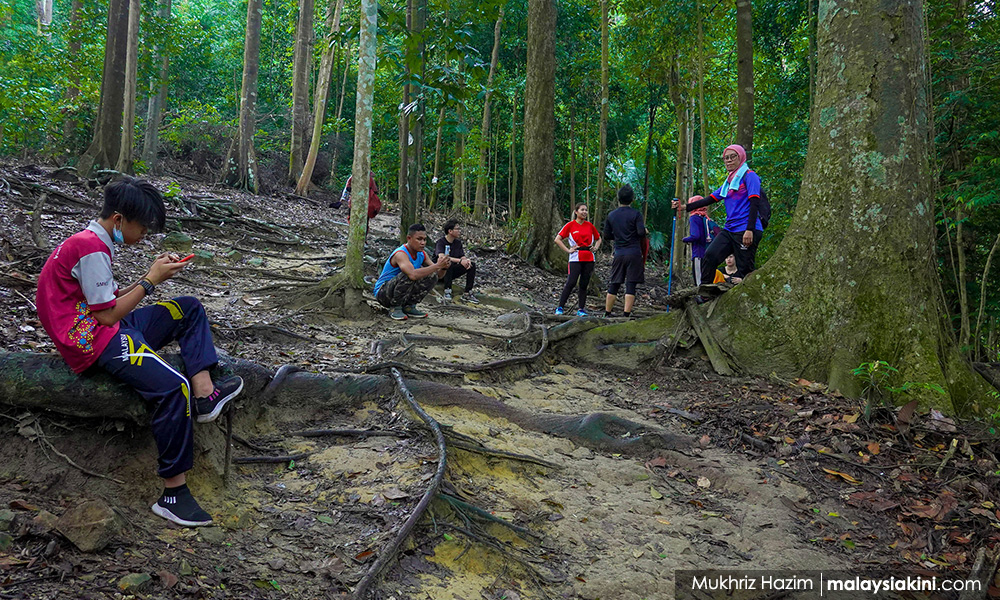
For long treks in serious jungle:
1) Always hike with a buddy. Groups end up separated along the trail as people trek at different speeds.
2) Whistle - when lost, blow this to alert rescuers. You won’t have energy to shout for long.
3) Water filter – to drink safely from streams or ponds (if you can find them) after your water bottle is empty. I use a Mini Sawyer.
4) Emergency blanket – a lightweight lifesaver if you are lost in the mountains. The shiny surface can alert helicopter rescuers.
5) Lighter for fire. Penknife. Repellent for bugs and leeches.
6) Basic first aid kit such as plasters, antiseptic cream and bandages.
7) Snacks like dates, raisins and nuts keep energy and morale up. Chocolate is too dehydrating.
8) Some rugged string to tie up any shoe soles that come loose. It’s best to ask a cobbler to sew up soles before any major hikes.
9) Rather than getting caught up in livestreaming, be more aware of the trail, forest and possible dark clouds.
10) Please do not leave non-biodegradable rubbish like plastic and metal in the jungle. Keep a small garbage bag in your backpack to carry it out.
11) Respect the forest. Don’t be boastful while trekking. Say a prayer before relieving yourself. There have been cases of “bunian” spirits that have led hikers astray. Avoid bringing pork into the jungle. These are age-old “pantang-larangs” (taboos) that you are free to ignore – at your own peril.
12) Those who chase Strava timings or do hardcore “compressed” hikes are taking extra risks.
Why not just enjoy the jungle rather than rushing through it? Focus on the green, not the gram.
Optional steps
1) I always bring a small, old-fashioned compass. Before the trip, get a general idea of directions going in and out.
2) Bring an extra Nokia phone. It’s small, light and has super long battery life. A Celcom SIM card will have the best coverage. You can SMS for help even with a weak one-bar 2G signal.
3) Regular hikers should invest in walkie-talkies.
Hopefully, you will never need most of these things. But when you do, it may save your life. Hiking is a great way to enjoy our magnificent rainforests and waterfalls, to get fit and to make friends.
I believe it’s also a better way to find a life partner than at a bar, and to assess their character under stress. For pampered teens or complaining adults, it helps build mental resilience and patience.
Just take sensible precautions to enjoy the jungle safely. - Mkini
ANDREW SIA is a veteran journalist who likes teh tarik khau kurang manis. You are welcome to give him ideas to brew at tehtarik@gmail.com.
The views expressed here are those of the author/contributor and do not necessarily represent the views of MMKtT.

No comments:
Post a Comment
Note: Only a member of this blog may post a comment.