


How are our laws, rules, and regulations really promulgated? Do a handful of politicians lock themselves in a meeting room over teh tarik and karipap, cook up another mandate?
Do they then shove it down our throats before we’ve even blinked? No consultation? No debate? No input from stakeholders? Is it a done deal?
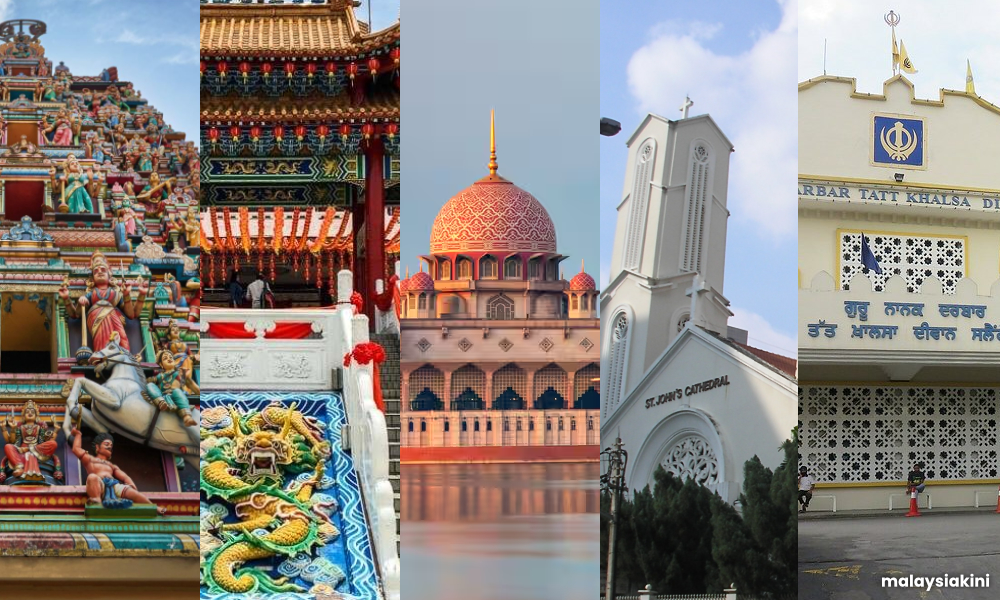
Take what happened in Selangor. Last November, the state executive committee (exco) approved guidelines, including the ban on non-Muslim houses of worship in commercial zones.
For six months, it remained a “secret” document, and even those who participated in the discussions never uttered a word until last month, when Petaling Jaya MP Lee Chean Chung raised concerns over its contents.
The response was typical - just a postponement of the execution. Special Committee for Non-Islamic Affairs co-chairperson Ng Sze Han said the state had yet to implement or enforce the guidelines.
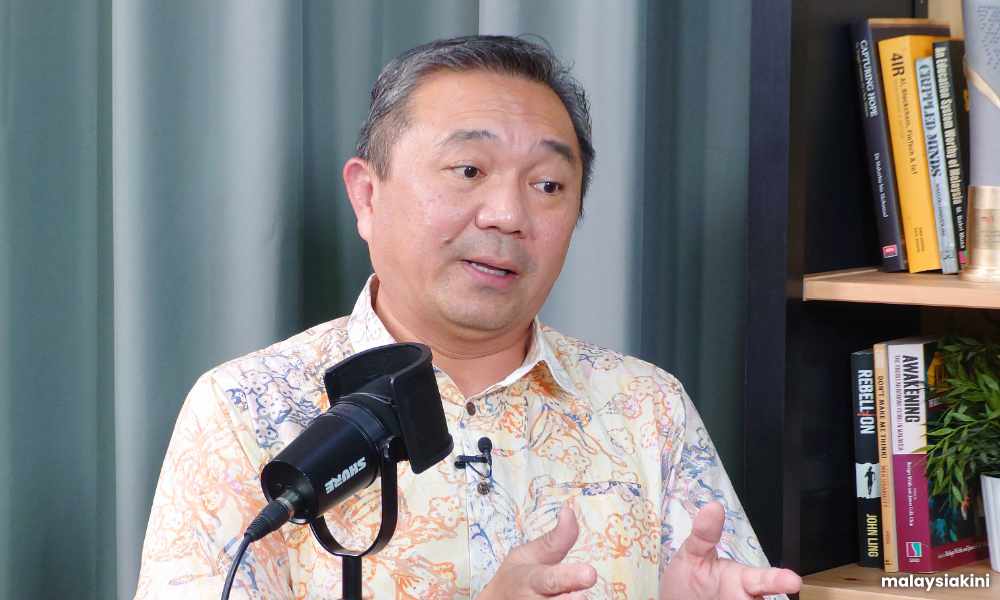
Instead, the Town and Country Planning Department guidelines will be reviewed by the government in consultation with religious associations, he said.
“The state government is dedicated to resolving this administrative and technical alignment through constructive dialogue, ensuring that Selangor remains a progressive, fair, and inclusive state for all,” said Ng.
But why was there no consultation before the exco approved it?
Besides the point
Over the weekend, there was another belated yet spirited defence to allay fears over the proposed changes.
Exco member, Papparaidu Veraman, who co-chairs the committee with Ng, claimed the state consistently supported non-Islamic communities.
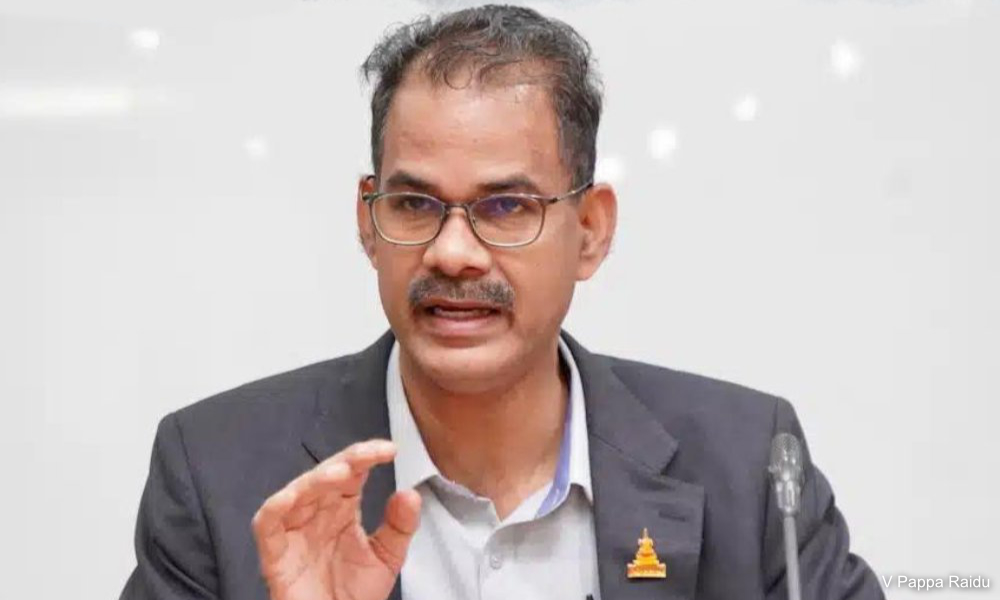
He listed the state’s “achievements” but failed to address several issues raised by the Malaysian Hindu Sangam (MHS), including the breach of fundamental constitutional principles.
MHS president Ganesan Thangavelu said: “Article 8(1) of the Federal Constitution provides that all persons are equal before the law and entitled to equal protection of the law.
“Meanwhile, Article 11(1) guarantees every individual the right to profess and practise his or her religion without unreasonable restrictions,” he said.
Any policy or guideline that distinguishes places of worship based on religion must be supported by clear and objective planning justifications, such as safety, technical, environmental, or public interest considerations.
Are the people just an afterthought?
Some politicians don’t lose sleep over the community’s problems - they don’t care what you think.
They care about power - keeping it, flexing it, exercising it like a blunt instrument on ordinary people. And we, the lesser mortals, are supposed to swallow it quietly.
Are we supposed to be quiet, loyal citizens, abiding by the diktat of the political masters and not raise “sensitive” questions? Are we supposed to play dumb to policies that affect the community? Yes? No!
Some questions: Were there major issues that had to be addressed in the guidelines? Why did they remain away from the public domain for over six months?
Why is the government now seeking consultation with the stakeholders? Is this an afterthought following protests and objections?
Legislation cannot be in vacuum
With rumours rife on early elections, fellow Malaysiakini columnist Andrew Sia noted that the PKR-led Selangor government has been busy scoring own goals with one gaffe after another.
The damage-control machinery has been rolled out, but it’s no use closing the stable doors after the horses have bolted.
Didn’t they learn from former Selangor menteri besar Khir Toyo’s BN government, which fell in 2008 following a backlash after demolishing a temple a year earlier in Padang Jawa, Klang?
Legislation and related regulations are not private affairs. They form the framework that governs our collective lives, and their legitimacy depends on the people they serve.
Yet too often, new laws, rules, regulations, and guidelines are drafted in the narrow corridors of power, with little more than token consultation.
Decisions that shape communities cannot be left to a few politicians. They demand scrutiny, input, and participation from the public.
A democracy worthy of its name cannot thrive on secrecy. Openness in lawmaking is not a courtesy; it is the foundation of legitimacy.
Citizens must be part of the process - not as an afterthought, but as active participants whose voices shape the rules that govern them.
Without transparency, consultation and when citizens are excluded, laws risk becoming instruments of authority rather than expressions of the common good.
The path forward requires accountability from those in office and a genuine commitment to let the community shape the rules that guide it.
Shouldn’t the people have a say and help shape the laws that govern them? Democracy cannot survive in shadows; it must be built in the open, with the people at its heart. - Mkini
R NADESWARAN is a veteran journalist who strives to uphold the ethos of civil rights leader John Lewis: “When you see something that is not right, not fair, not just, you have to speak up. You have to say something; you have to do something.” Comments: citizen.nades22@gmail.com.
The views expressed here are those of the author/contributor and do not necessarily represent the views of MMKtT.

No comments:
Post a Comment
Note: Only a member of this blog may post a comment.