


ADUN SPEAKS | Across the peninsula, the term “Sabah’s 40 percent entitlement” often sparks concern.
Many Malaysians have been led to believe that fulfilling the entitlement would mean diverting almost half the nation’s revenue to a single state, jeopardising development elsewhere and straining federal finances.
That perception is mistaken. The entitlement does not draw from Malaysia’s total income; it is based solely on 40 percent of the net revenue collected from Sabah itself.
This arrangement was agreed upon at the formation of Malaysia in 1963, when it was clear that Sabah would require sufficient financial resources to develop at the same pace as the rest of the federation.
The 40 percent entitlement is therefore neither special treatment nor an act of generosity from the rest of the country. It is a constitutional guarantee built into the very foundation of the federation, reflecting a shared understanding that fairness - not uniformity - would be the basis of our partnership.
Once this context is understood, the fear surrounding the entitlement becomes far less compelling.
No stress on finances
Malaysia is far from a fragile economy.
As a trillion-ringgit nation that regularly finances large-scale projects such as highways, MRT lines, international airports, and flood-mitigation systems through long-term budgeting and financing tools, the country has ample capacity to honour the 40 percent entitlement responsibly and sustainably.
There are numerous ways to fulfil the obligation without placing sudden strain on federal finances. A phased repayment plan spanning 10-20 years would let the government fulfil its commitment gradually, much like the repayment structures for national infrastructure projects.
Federal development projects in Sabah - whether upgrading water facilities, expanding hospitals, improving rural roads, or enhancing utilities - could be credited toward the entitlement, ensuring that every ringgit returns to Sabah in visible and measurable improvements.
Beyond this, strategic federal land or assets in Sabah can be transferred to the state as part of the settlement, giving Sabah valuable tools for long-term revenue generation while reducing immediate federal expenditure.
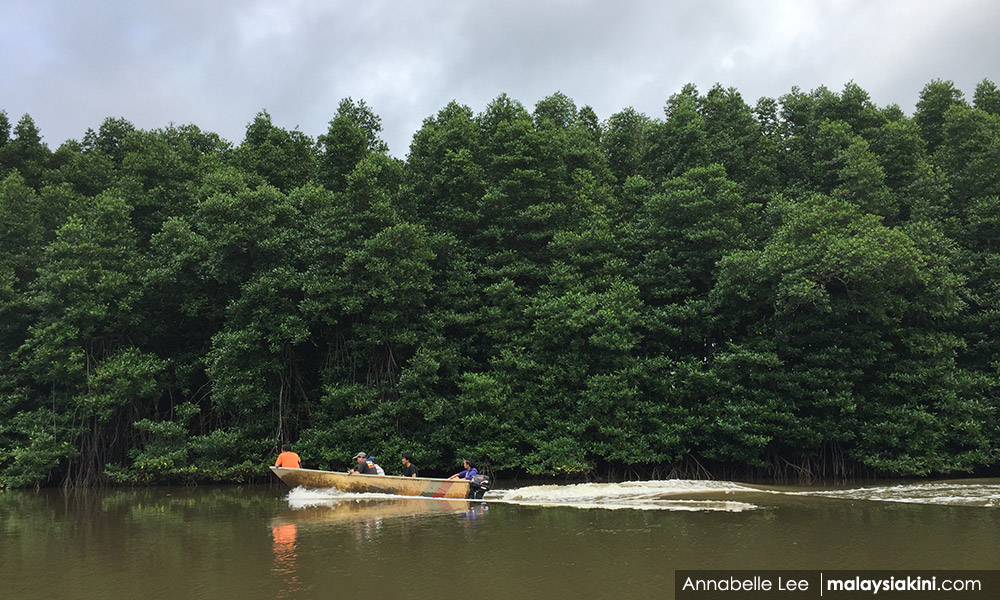
Federal installations and assets operating in Sabah, including ports, airports, tourism infrastructure, or logistics facilities, can adopt revenue-sharing arrangements that reflect the economic activity generated within the state.
And if the government wishes to spread the financial impact even further, the issuance of dedicated federal bonds or sukuk - a common financing mechanism - would distribute the cost across future budgets, just as it has done for national development projects for decades.
These are not exotic or risky ideas. They are ordinary instruments routinely used by governments worldwide, and Malaysia itself employs them regularly.
The question is not whether Malaysia can honour the 40 percent entitlement; it is whether it chooses to prioritise a promise that is now more than half a century overdue.
Why Sabah needs what was promised
From Kuala Lumpur or Penang, it is easy to assume that all states share roughly similar conditions. But a brief journey through Sabah reveals disparities that no modern nation should accept.
Many towns still face inconsistent water supply, forcing families to store water in buckets in anticipation of dry taps. Businesses struggle with frequent power disruptions that interrupt operations or damage equipment.
Public transport remains so limited that simply reaching school or work can become a daily obstacle. In rural areas, clinics do their best with limited equipment, and patients often travel across the sea for specialist care.
These conditions do not persist because Sabahans lack determination or initiative. They exist because the state has long lacked the resources needed to build the infrastructure and public services that other parts of the country take for granted.
The 40 percent entitlement was created to address this challenge precisely - to ensure that Sabah would not remain permanently behind, but would have the financial means to catch up and thrive.
Sovereign wealth fund
Sabah recognises that with significant revenue must come strong accountability. That is why the state intends to place the entitlement within a professionally managed sovereign wealth fund.
This fund will operate under strict governance rules, independent oversight, and transparent reporting standards, ensuring that every Malaysian - in Sabah and beyond - can see how the entitlement is used.
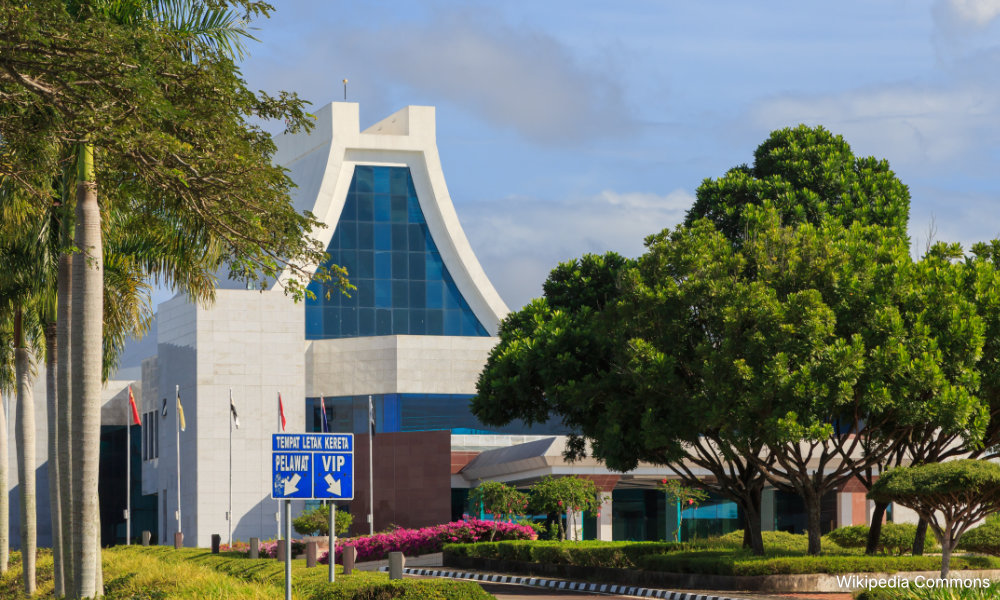
Rather than spending all the funds immediately, a portion will be invested to generate long-term returns, creating intergenerational wealth rather than fleeting expenditure.
The remainder will be dedicated to essential development - strengthening the water grid, modernising the energy system, improving road connectivity, expanding hospitals and specialist services, upgrading schools, and finally building the public transport networks that Sabah has needed for decades.
This approach ensures that the entitlement becomes a durable asset for future Sabahans and a stabilising force for the state’s finances.
Transform Sabah, strengthen M’sia
With adequate and predictable funding, Sabah can finally address long-standing gaps that have limited its economic potential.
Improved road networks, modern bridges, upgraded ports, and rural connectivity can reduce logistics costs and connect isolated communities to markets and services.
A reliable water system - a basic need that remains unmet in too many areas - can be achieved through modernised treatment plants and expanded distribution systems.
A stable and modern energy grid would end chronic blackouts, allowing industries to grow without fear of disruption. Better hospitals, district clinics, and specialist centres would reduce the need for patients to seek treatment in West Malaysia, improving outcomes and easing financial burdens on families.
Technical colleges and digital-skills programmes can prepare Sabahans for emerging industries and high-income jobs. Public transport - long neglected - can finally be developed to improve mobility in cities and towns, reducing inequality and increasing access to employment and education.
Climate resilience can also be prioritised through flood mitigation, coastal protection, and landslide prevention, all of which are urgently needed as weather patterns become more unpredictable.
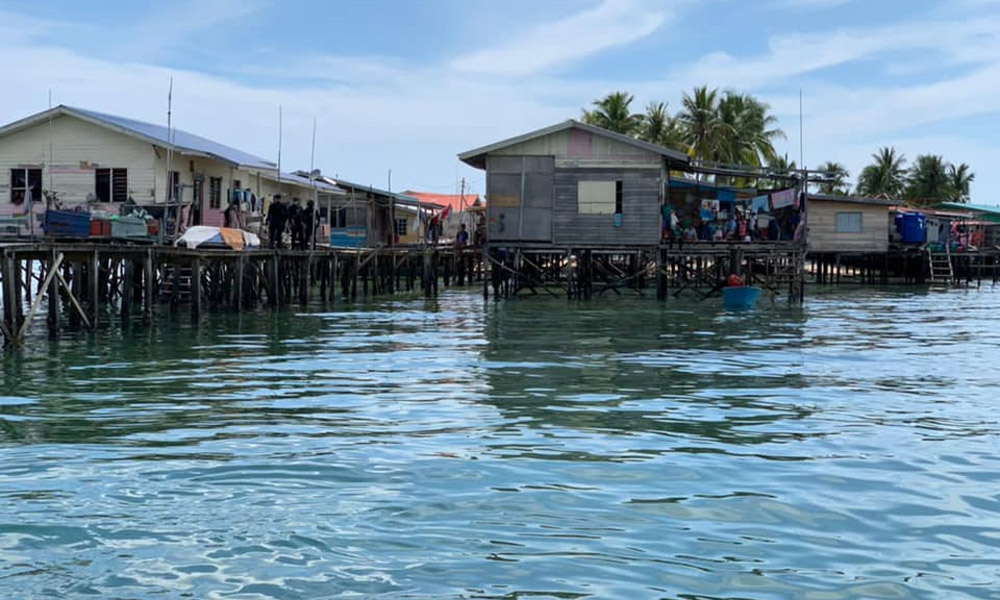
And with stronger infrastructure and human capital, Sabah can move beyond dependence on traditional sectors, expanding into tourism, agriculture, renewable energy, digital services, and manufacturing.
A Sabah that stands on a stronger footing does not weaken Malaysia. It adds another engine to the national economy, strengthens unity, and reduces the inequalities that have strained the federation for decades.
Why West Malaysians should support
For many in the peninsula, Sabah’s entitlement may feel distant. Yet the consequences of neglect in one part of the federation ripple across the whole country.
When a major state struggles with unreliable water, unstable electricity, limited healthcare, or inadequate transport, it affects national productivity, investment confidence, and Malaysia’s collective sense of fairness.
Supporting the 40 percent is not an act of charity or a concession to Sabah. It is a recognition that the federation cannot be strong when one of its founding partners remains structurally disadvantaged.
Restoring the entitlement ensures that Sabah has the tools to provide what every Malaysian should reasonably expect - clean water, consistent electricity, safe roads, accessible healthcare, and a fair chance at opportunity.
Most importantly, honouring the 40 percent strengthens the federation’s integrity. It demonstrates that Malaysia keeps its promises, values fairness, and understands that unity is built not on uniformity, but on ensuring each region has what it needs to stand with dignity.
A Malaysia that honours its commitments is a Malaysia that moves forward together - steadier, fairer, and more confident in its shared future. - Mkini
ROGER CHIN is a nominated Sabah assemblyperson and former president of the Sabah Law Society.
The views expressed here are those of the author/contributor and do not necessarily represent the views of MMKtT.

No comments:
Post a Comment
Note: Only a member of this blog may post a comment.