


What is unfolding around Venezuela is not an isolated crisis confined to Latin America; it is the re-emergence of an imperial script that the world was told had been retired after Iraq.
The parallels are impossible to ignore. In 2003, the United States, under George Bush, fabricated claims of weapons of mass destruction to justify the invasion of Iraq.
International law was rendered optional, the United Nations was bypassed, and a sovereign state was dismantled in the name of “security.”
The result was not democracy, but mass death, state collapse, and a region destabilised for generations.
That episode was meant to serve as a cautionary tale. Instead, it has become a template.
Regime-changing template returns
Today, Venezuela is being positioned in precisely the same way Iraq once was: as a rogue state, a criminal regime, a threat to order that must be neutralised.
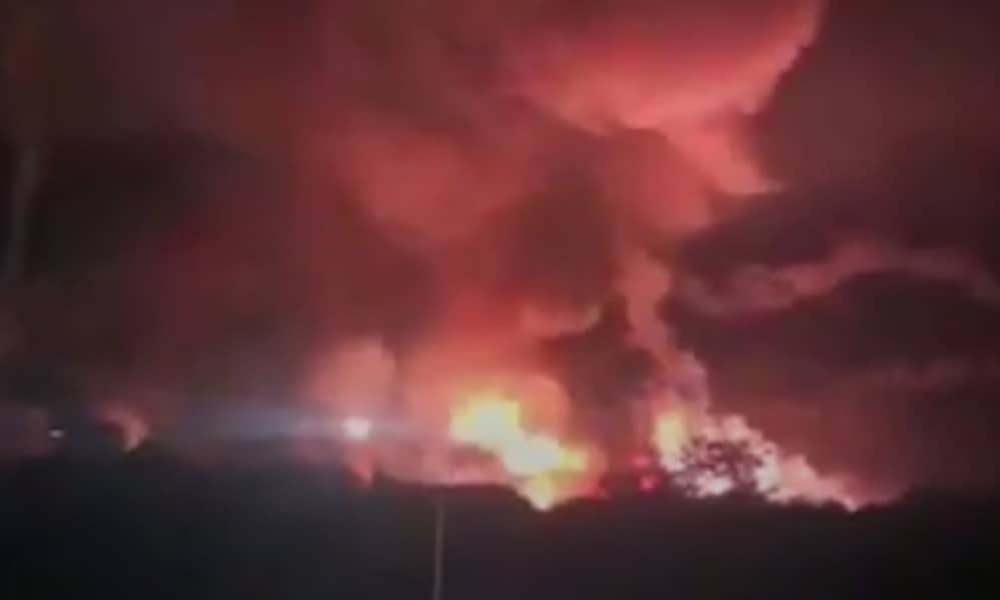
The language has changed slightly to narcotics trafficking, humanitarian crisis, and authoritarianism, but the underlying logic remains intact.
Any military intervention in Venezuela without an international mandate or congressional authorisation would constitute a clear violation of international law.
This is not a defence of Nicolás Maduro’s government, which is deeply flawed and repressive in many respects. It is a defence of a principle that protects all states, particularly small and postcolonial ones: sovereignty is not conditional on Washington’s approval.
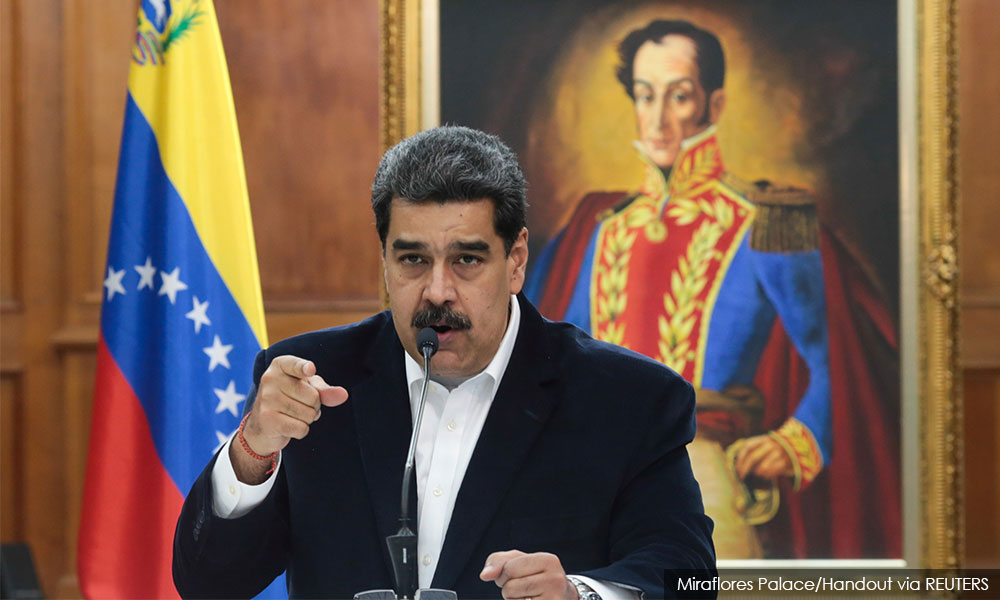
That principle matters profoundly for countries like Malaysia. As a state that emerged from colonial rule and Cold War entanglements, Malaysia has historically benefited from international norms that restrain great powers.
The rules-based order, uneven, compromised, and selectively enforced as it may be, has nonetheless functioned as a shield for smaller states.
When that shield is weakened or discarded, it is not great powers that suffer the consequences first, but those on the periphery. To remain silent when Venezuela’s sovereignty is threatened is to accept a precedent that could later be turned against others.
Oil, double standards, and politics of distraction
The justifications advanced by US President Donald Trump and his allies only reinforce the cynicism of the project.
If Venezuela is being targeted under the banner of narcotics trafficking, the selectiveness of US outrage is impossible to ignore.
Trump famously pardoned the former Honduran president despite extensive evidence presented in US courts linking him to large-scale drug trafficking networks.
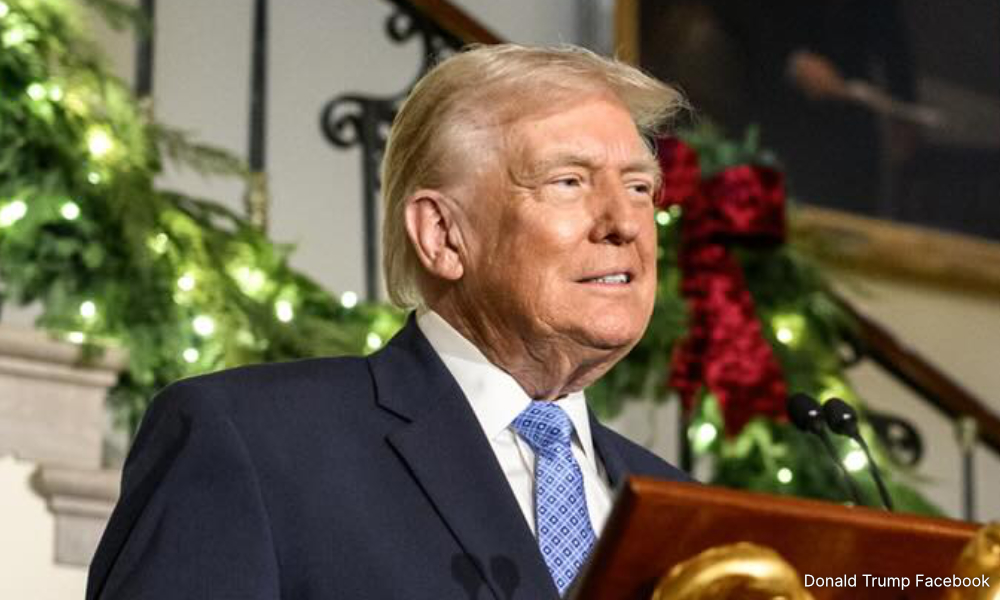
Honduras, a compliant ally, was forgiven; Venezuela, an oil-rich adversary, is condemned. This double standard reveals that narcotics are not the real concern. Power alignment is.
Oil, by contrast, is openly acknowledged. Venezuela possesses the world’s largest proven oil reserves, and Trump has already spoken about US companies fixing the oil infrastructure into Venezuela.
At a moment of tightening global energy supplies and geopolitical realignment, control over energy resources remains central to US strategic calculations.
Regime change is not an aberration; it is a mechanism for resource access. This is not a new story but the same extractive logic that shaped interventions in Iran, Iraq, and Libya, repackaged for a new decade.
Foreign aggression also serves another function: distraction. Trump faces persistent and serious allegations linked to Jeffrey Epstein, including accusations of child sexual abuse raised in sworn testimony and civil complaints, alongside his documented social and political proximity to Epstein.
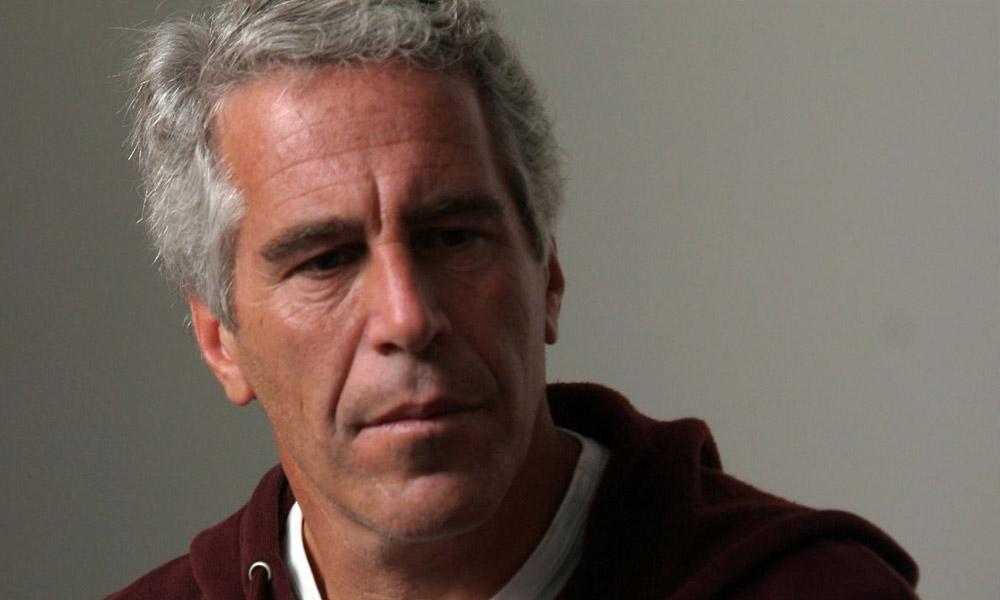
While these allegations have not been adjudicated to final judgment, their gravity and persistence are undeniable.
History shows that leaders under domestic pressure often manufacture external crises to redirect attention, consolidate support, and cloak themselves in the language of national security.
The threat of war has always been a convenient shield against accountability.
Why Venezuela matters to Malaysia, Asean
This context is essential for understanding why Venezuela should matter to Malaysia and Asean. Prime Minister Anwar Ibrahim’s apparent enthusiasm for a lopsided trade agreement with Trump cannot be viewed as a neutral economic decision.
Trade agreements are instruments of political alignment. To embrace Trump as a partner without confronting his record of unilateral aggression, constitutional disregard, and authoritarian posturing is to normalise lawlessness in exchange for market access.
It sends a signal that principles are negotiable when the price is right.
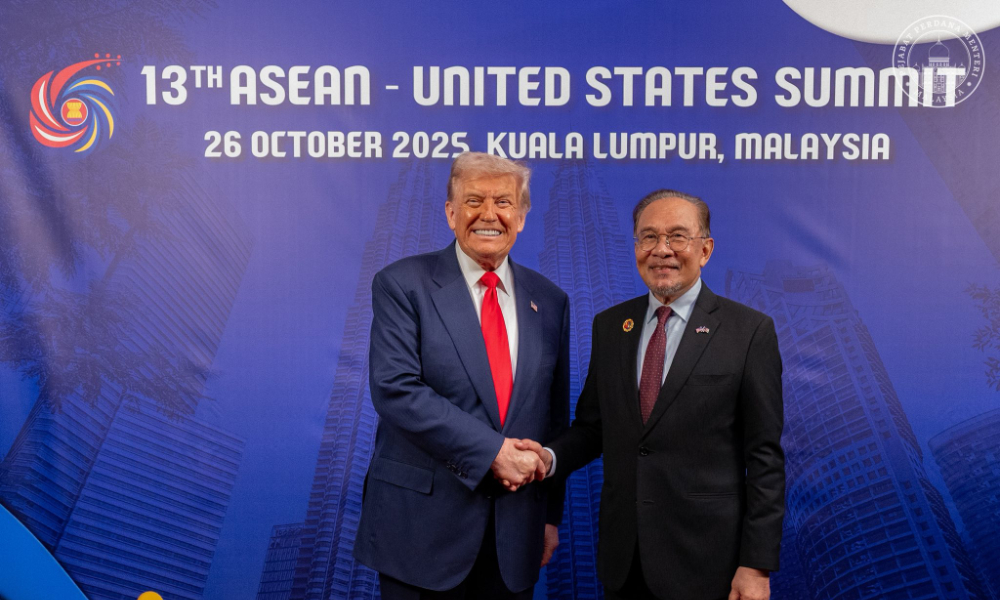
For Asean, the implications are even more far-reaching. The bloc’s claim to relevance rests on its normative foundations: non-interference, respect for sovereignty, consensus, and regional autonomy.
These principles are frequently criticised, often rightly, for enabling paralysis, particularly in the face of Myanmar’s ongoing atrocities. Yet they remain Asean’s rhetorical and moral currency.
When Asean states align themselves with a US-administration that openly violates international law abroad, those principles are hollowed out. One cannot credibly defend sovereignty in Southeast Asia while tacitly endorsing its violation elsewhere.
The contradiction becomes even sharper when viewed through the lens of Global South politics. Asean states routinely invoke international law to resist pressure from great powers, particularly in the South China Sea. They appeal to rules, norms, and multilateralism as safeguards against coercion.
But norms cannot be geographically selective. If international law is treated as optional in Venezuela, it becomes negotiable everywhere. The erosion of norms in Latin America weakens Asean’s own ability to resist coercion in Asia.
Malaysia’s position in this landscape is particularly fraught. Anwar has long cultivated an image as a moral statesperson: one who speaks of justice, ethical governance, and solidarity with the oppressed.
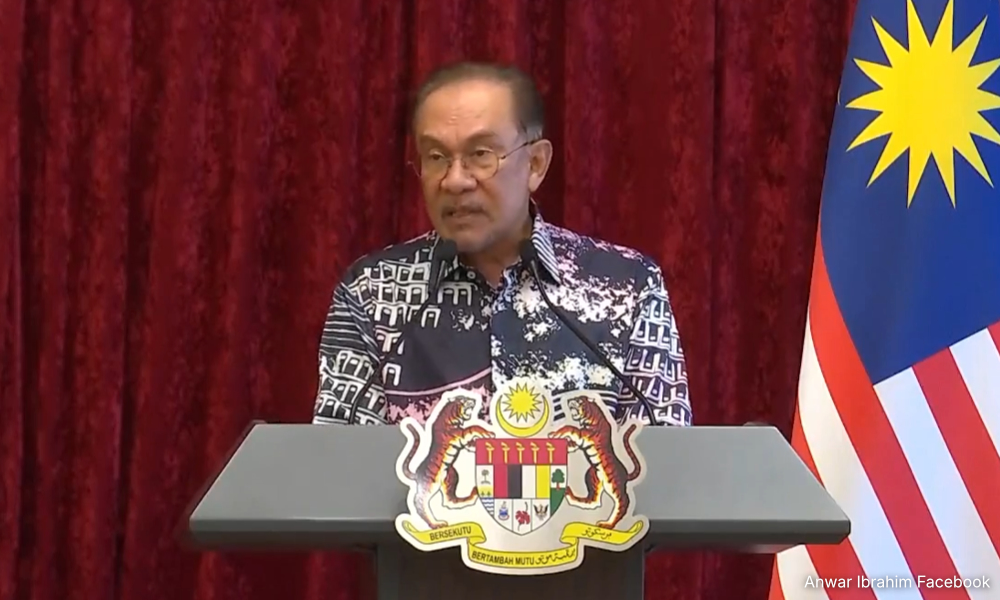
That self-image sits uneasily alongside trade partnership in the face of US imperial aggression, especially after Anwar condemned the invasion and demanded Maduro’s immediate release.
Ethical foreign policy cannot operate on a hierarchy of victims. One cannot condemn Israeli violations of international law while ignoring American ones without reproducing the very double standards that Global South leaders claim to oppose.
Effects on Malaysia’s political front
There is also a domestic dimension to consider. When Malaysian leaders endorse or accommodate authoritarian behaviour abroad, they help normalise it at home.
The erosion of international norms often travels inward. A world in which powerful executives can bypass legislatures, disregard courts, and threaten foreign leaders with impunity is not a world that strengthens democracy anywhere, including in Malaysia.
If the US Congress retains any commitment to constitutional governance, it must act. The US Constitution is explicit: war-making powers do not belong to the executive alone. An invasion of Venezuela without congressional authorisation would be unconstitutional as well as illegal under international law.
Trump should be impeached not only for such an act, but for the broader pattern it represents: contempt for legal restraint, instrumentalisation of violence, and the steady dismantling of democratic checks and balances.
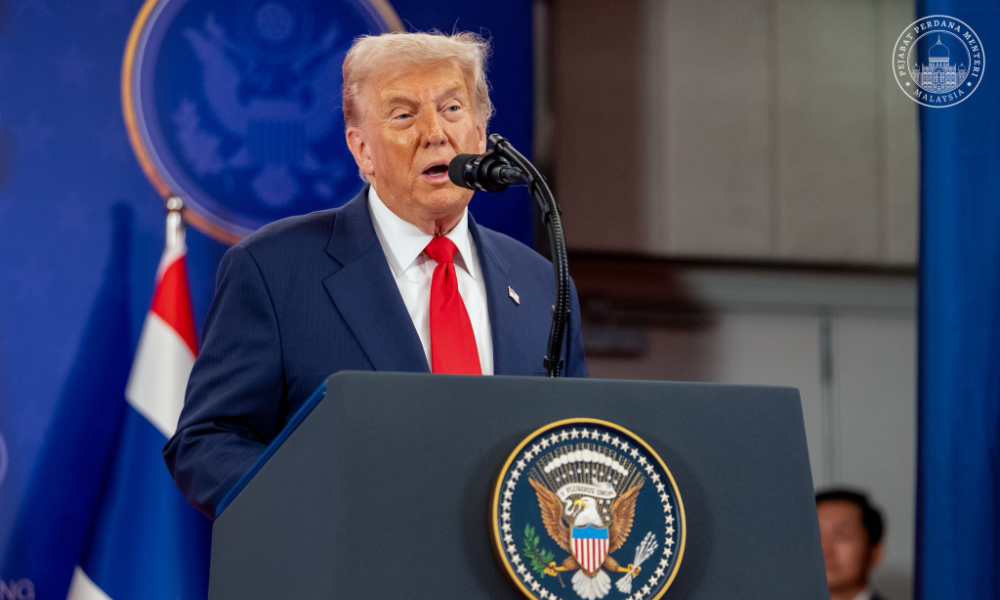
His recent threats toward Mexico’s president, Claudia Sheinbaum, underscore how quickly external aggression bleeds into regional intimidation.
Conclusion
For Malaysia and Asean, the choice is stark. Either they uphold international law consistently, even when it is inconvenient and economically costly, or they accept a world governed by raw power, where sovereignty is conditional, and smaller states are expendable.
Venezuela is not a distant problem on the other side of the world. It is a warning. It shows what happens when principles are traded away for access, silence, or short-term gain.
The question now is not whether Malaysia and Asean can afford to care but whether they can afford not to. - Mkini
MAHI RAMAKRISHNAN is a veteran journalist turned rights advocate and consultant who abhors hypocrisy.
The views expressed here are those of the author/contributor and do not necessarily represent the views of MMKtT.

No comments:
Post a Comment
Note: Only a member of this blog may post a comment.