


IF you had spent any time online in Malaysia lately, you would probably come across a startling claim: that Japan paid Malaysia RM207 bil in compensation for the forced labourers who died building the Burma-Thailand railway during World War II.
It sounds huge, and it’s been repeated on social media, in blogs, and even by public figures talking about national projects. No wonder people are confused—and concerned.
But here’s the thing: according to both the Japanese Embassy in Malaysia and our own Finance Ministry, that figure never changed hands. Not even close.
Let’s take a step back to recall what is known about the Death Railway.
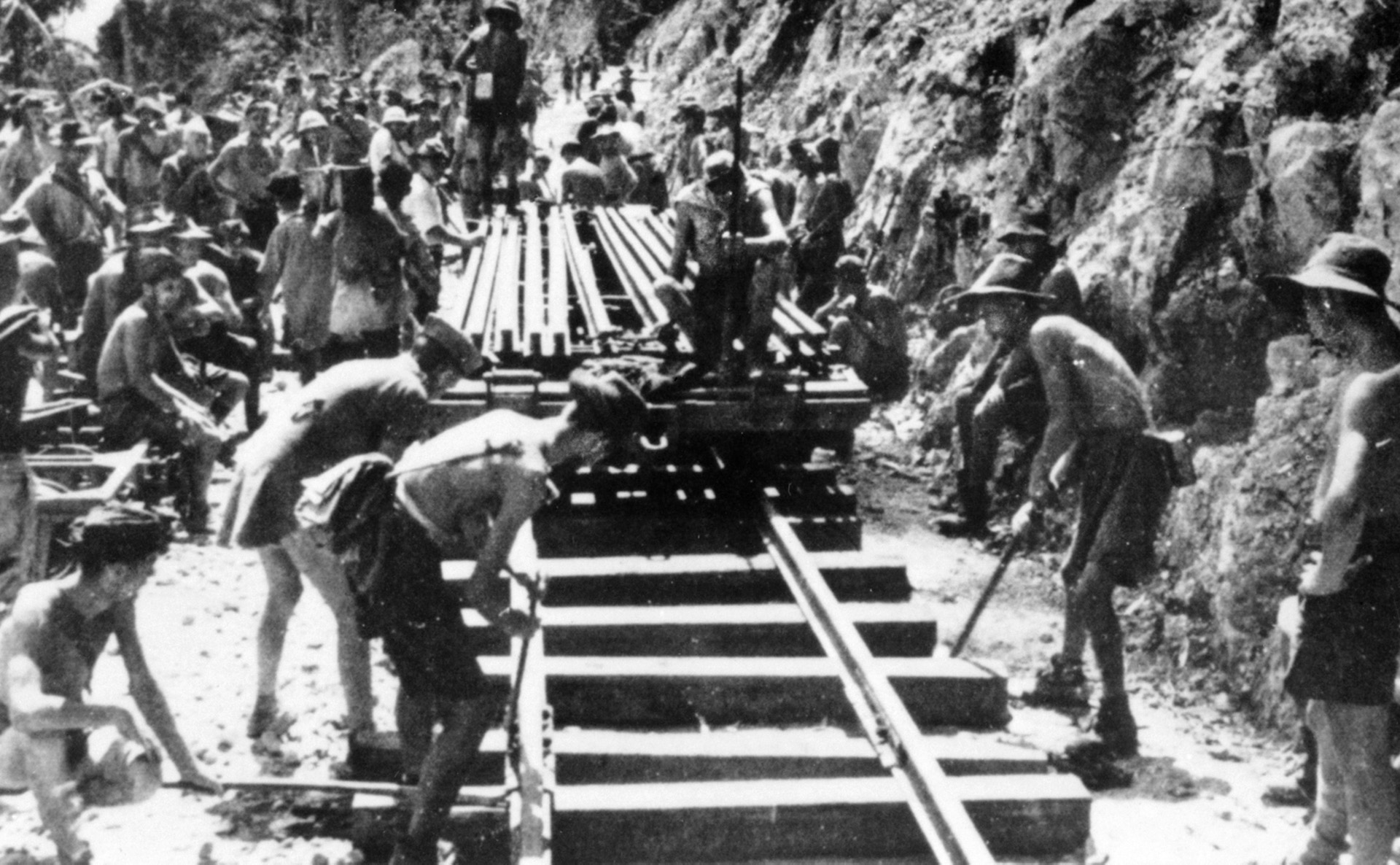
The railway itself—known as the Death Railway—is real, and the horror of it is undeniable. During the war, tens of thousands of Allied prisoners of war and Asian civilians, including many from Malaya, were forced to build a railway through dense jungle and rocky terrain.
They worked with little food, no medicine, and were constantly abused. By the time the railway was finished, malnutrition, disease, and exhaustion had killed an estimated one in three labourers.
For many Malaysian families regardless of race, the pain of that time is still a living memory, passed down through stories of grandfathers or great-uncles who never came home.
So when people hear about a massive compensation payout, it feels like a kind of justice. But history is messier than that.
After the war, Japan did pay reparations to several Southeast Asian countries. In Malaysia’s case, the 1967 agreement was focused on economic cooperation, development aid, and technical assistance and not a lump sum paid out to individual families.
The RM207 bil figure seems to have emerged from a mix-up—maybe a misunderstanding of historical events, maybe political commentary taken out of context.
This isn’t just a Malaysia thing. Globally, post-war reparations were almost always negotiated between governments, not directly with victims. That’s left a lot of people feeling shortchanged.
In South Korea, for example, it took decades and multiple court cases for forced labourers to get any kind of recognition from Japanese companies.
The deeper issue here isn’t really about money. It’s about acknowledgment.
Thousands of Malaysians died on that railway. Their families don’t just want a cheque—they want the world to remember that it happened, that their loved ones suffered, and that it mattered.
That’s why documenting survivors’ stories, preserving historical sites, and teaching this history in schools is so important.
We don’t need myths to honour the dead. We need truth—and the compassion that comes from really understanding what happened.
So yes, let’s correct the record: no RM207 bil. But let’s not let that correction shut down the conversation. If anything, it’s a reminder that justice isn’t just about money.
It’s about memory, responsibility, and making sure we never treat human beings as disposable again.
The Death Railway teaches us something that no amount of compensation can replace: that war’s deepest cost is measured in lives, not currency. And the least we can do today is to remember that clearly, honestly, and with heart.
KT Maran is a Focus Malaysia viewer.
The views expressed are solely of the author and do not necessarily reflect those of MMKtT.
- Focus Malaysia.

No comments:
Post a Comment
Note: Only a member of this blog may post a comment.